Top Rated Game Boy Advance Games - Page 4

Mother
2003
Mother
2003
star 6.1When included in the Mother 1+2 bundle, Mother (Earthbound Beginnings in the West) received an exclusive equippable item, the Easy Ring, available from the start, which makes the game more balanced (therefore easier than the original version).Yoshi Topsy-Turvy
2004
Yoshi Topsy-Turvy
2004
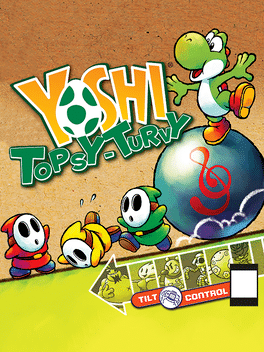
star 6In Yoshi Topsy-Turvy, Yoshi Island has been turned into a picture book. Yoshi will not stand for this outlandish attempt at flattening his world, and he heads off on an adventure to return things back to their original state. To help in on his quest, a group of spirits who like to surprise people give Yoshi the ability to rotate the world to his liking. The big catch with Yoshi Topsy-Turvy is its use of a motion sensor, similar to the one set to be featured in the second Wario Ware GBA game. The game cartridge includes a built in motion sensor which detects how you move the GBA system. By turning the system, you make the world rotate. A meter on the upper right corner of the screen shows which way the system is being held at any time. Rotate the system to help Yoshi stay on the path and make it past perils and through the varied stages. Go full tilt! By tilting your Game Boy Advance, you'll tilt the environment around Yoshi, knocking over enemies, swinging pendulums, and letting Yoshi run up walls and leap huge pitTekken Advance
2001
Tekken Advance
2001
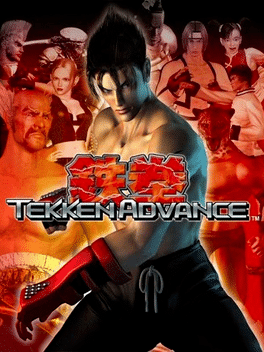
star 6Tekken Advance is a fighting game released for the Game Boy Advance. It is non-canonical to the Tekken storyline, but follows the events of Tekken 3. It uses sprites based on Tekken 3's 3D models for its characters and was the first Tekken game to be released on a Nintendo platform.Spyro 2: Season of Flame
2002
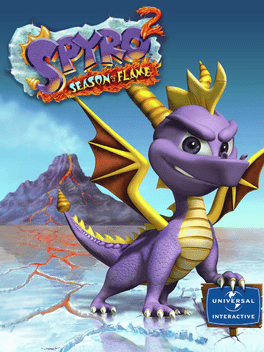
star 5.7Spyro 2: Season of Flame is the sequel to Spyro: Season of Ice. All the old characters from previous games are there, with Hunter and Bianca, and the player can also control Sheila the Kangaroo and Agent 9. Spyro has a few unusual abilities in this GBA game, including a fire/ice breath toggle. Some items can only be affected by one or the other. Unlike the PSX games, Spyro is presented primarily in an isometric view.Yu-Gi-Oh! Reshef of Destruction
2003
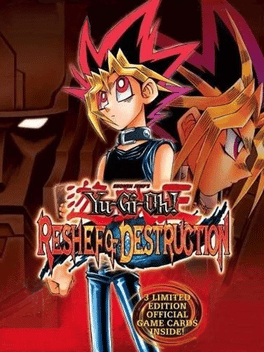
star 5.5In your return to Battle City, you begin another mission to retrieve stolen millennium cards that can destroy the world. Yu-Gi-Oh! Reshef of Destruction features an all-new storyline that sets you off on a quest to stop Reshef from drowning the world in darkness. Since the game's battles are fought with cards, you must build a strong deck from 800 different cards (including all three Egyptian god cards) to even stand a chance against your enemies.Grand Theft Auto Advance
2004
star 5.5Grand Theft Auto Advance is a handheld console game developed by Digital Eclipse, published by Rockstar Games, and released on October 26, 2004 for the Game Boy Advance. It is the only Grand Theft Auto game to not be developed by a Rockstar studio (formerly DMA Design). The game is played from a top-down perspective; this view angle was seen on the first two games in the series, Grand Theft Auto and Grand Theft Auto 2, but vehicle-based side-missions (such as "Vigilante" and "Paramedic"), the heads-up display and a large majority of the weapons, first introduced in the three-dimensional counterparts, have also been included. Unlike previous top-down Grand Theft Auto games, vehicles can now flip over. It is the first game from the Grand Theft Auto series which got a 16+ rating from PEGI and an M rating (recommended for mature audiences though any age is still allowed access) from the Australian Classification Board. The game was released on the same day as the North American release of Grand Theft Auto: San Andreas.Dragon Ball GT: Transformation
2005
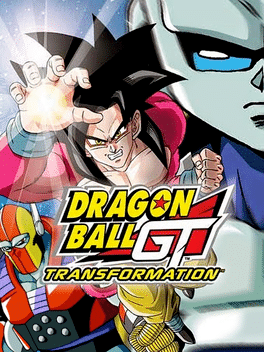
star 5.5Dragon Ball GT: Transformation is a Game Boy Advance action game based on the Japanese cartoon Dragon Ball GT. Transformation follows the Dragon Ball GT storyline from the Child Goku Saga to the Baby Saga. You can create three-man teams from seven playable characters--such as Goku, Trunks, and Uub--and choose who you control in the middle of a battle.Naruto: Ninja Council 2
2004
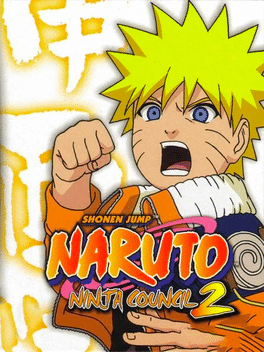
star 5.2Action game, based on the Shonen Jump manga. This sequel to the very first Naruto game on the GBA (the second game was a much different simulation/adventure) has three-times the amount of stages and characters twice the size. The action is streamlined and more dynamic. Players can transform into Naruto, Sasuke and Sakura and use their abilities to defeat the scrolling stages. The game also utilizes the link cable for a two-player co-op mode and for a four-player battle mode.Yu-Gi-Oh! Dungeon Dice Monsters
2001
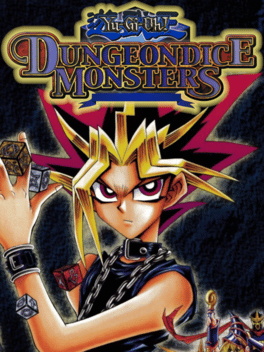
star 4.9In Dungeon Dice monsters, there is a tiled board of 13 x 19 tiles (13 tiles wide) on which play is conducted. On either end of the board sits a "Monster Lord" (on the 7th tile from each side on the row closest to the players) representing either player. Each Monster Lord has 3 Life Points. The first player to lose all their Life Points loses. In the Yu-Gi-Oh! Anime, these were referred to as "Heart Points".Dragon Ball Z: Taiketsu
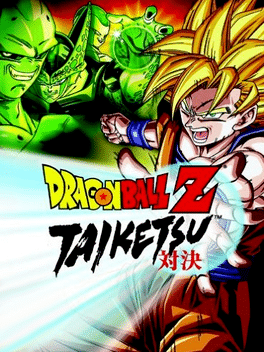
2003
star 3Heroes and villains collide in the latest Dragon Ball Z brawler. Dragon Ball Z: Taiketsu lets you play as one of 15 of the greatest warriors from the DBZ universe, including the mighty Broly, in a fight for dominance. Unleash devastating combos and super moves alone or against friends in huge multiplayer battles. You can fight on land or in the air, but just don't be caught off guard.