New Games - Page 10812

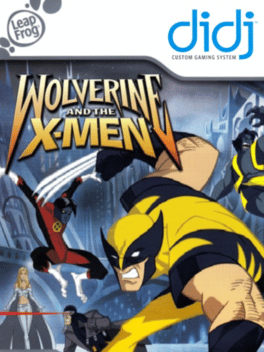
Wolverine and the X-Men
2009
A spelling game for the Didj, the Leapster, and the Leapster Explorer. Players search for letters while fighting enemies.Urban Rivals World
2009
Urban Rivals World
2009
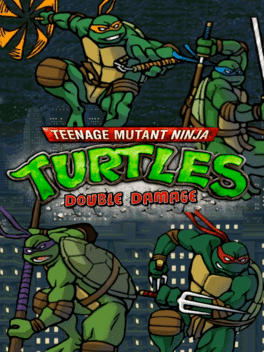
star 8Roll up your sleeves and lay down your cards! Urban Rival is a truly original, free, collectible card game. It is a game of skill and strategy that allows you to create your own gang and challenge other players in fast and furious fighting. The games are simple but intense and in just a few minutes you can control the whole of Clint City by putting your Pillz, Fury and bluffing skills to good use!Teenage Mutant Ninja Turtles: Double Damage
2009
Teenage Mutant Ninja Turtles: Double Damage is a 2009 online Flash game developed by Urban Squall as a promotional tool for Teenage Mutant Ninja Turtles Smash-Up. It is playable at many websites, including, as of 2010, the official Nickelodeon website. The game uses more 1987/2007-esque appearances for the Turtles, but most other characters take after their 2003 counterparts. Each Turtle has his advantages. Leonardo and Raphael are more effective in fighting Foot Ninja, while Donatello and Michelangelo are efficient in battling machines/robots. Leo and Don have long-range weapons, and Mike and Raph have stronger weapons.Hilton Ultimate Team Play
2009
A training game for employees of Hilton Hotels. Hilton Garden Inn: Ultimate Team Play is a simulation game for the Sony PlayStation Portable, developed by Virtual Heroes for Hilton Garden Inn using the Vicious Engine, and released on Universal Media Disc. The game was announced in 2008 and released in January 2009. The game is a simulation training game in which the player is a worker in an hotel of the Hilton Garden Inn chain, and must complete various tasks satisfactorily in order to obtain a good score. The tasks include cleaning the hotel guest rooms, manning the hotel reception desk, managing the hotel restaurant, and interacting with the guests appropriately.Black Eagle 2
2009
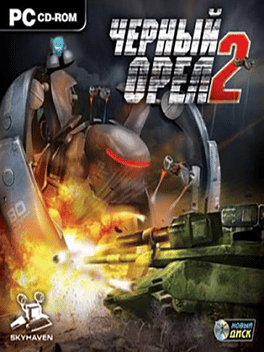
Black Eagle 2
2009
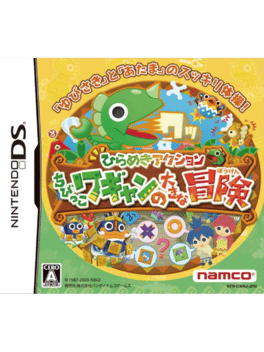
Russia, the year 2068. In a top-secret research institute, a prototype of self-learning artificial intelligence has been developed, designed to completely rid military equipment of human presence. To test the performance and combat effectiveness in all possible conditions, a TA-420 Scorpion tank is being created - a heavily armed nuclear-powered combat vehicle. On the first test launch in the system of restriction and deterrence, an error occurs, the machine gets out of control, destroys all training objectives, kills a group of researchers and breaks through the protective perimeter of the test site, leaves the test zone.Hirameki Action: Chibikko Wagyan no Daiki na Bouken
2009
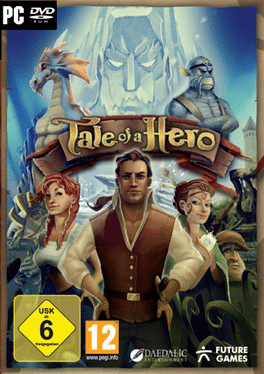
A reboot of the Wagyan Land series for Nintendo DS. Like the rest of the series, it was only released in Japan.Tale of a Hero
2009
Detonate
2009
Diamon Jones: Amulet of the World
2009
Explore the ancient world of Egypt in this mystical Adventure game! Help Diamon Jones become the rich and famous hero he wants to be, as you explore the Pharaohs` temples and find amazing treasures. Travel all over the world on your incredible journey to first find the Amulet of the World, and then replace it, when the natural order of the world has been upended. Can you help Diamon Jones save the world?Gary Grigsby's Eagle Day to Bombing the Reich
2009
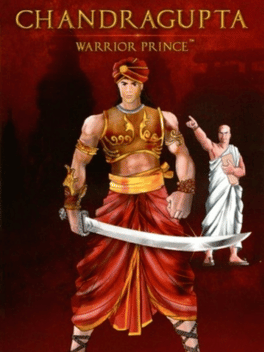
Gary Grigsby’s Eagle Day to Bombing of the Reich is a detailed simulation of the Allied strategic bombing campaign against Germany in World War II. Combining both classic titles Battle of Britain and Twelve O'clock High into a single game package, this in depth air war simulation includes all the appeal of the original two titles with a huge list of extra features and improvements.Chandragupta: Warrior Prince
2009
A 2D action beat em up developed by Immersive Games exclusively for the PlayStation 2 and PlayStation Portable in EuropeEnviro-Bear 2000
2009
Enviro-Bear 2000
2009
The player controls a car-driving bear, as they collect enough food to hibernate for the winter.Death Fighter 4
2009
Wings of Prey: Special Edition
2009
Wings of Prey is based around the large-scale aerial combat and ground military operations of World War II. Players can participate in some of the war's most famous battles piloting fighters, battle planes and bombers across a range of thrilling missions. There are six theatres of war to engage in - The Battle of Britain, Stalingrad, Ardennes, Berlin, Sicily and Korsun' representing the main airborne battles of World War II in Europe. Wings of Prey: Special Edition includes; - Wings of Prey - The Wings of Luftwaffe add-onLunia
2009
Lunia
2009
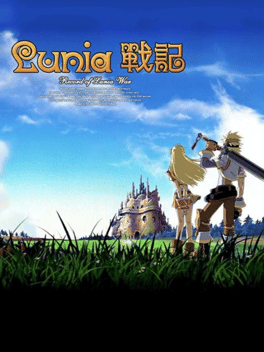
Lunia is a FREE game. Lunia has some really good things going for it. You start by playing different "Levels" which you can cooperatively beat with up to 8 players, the storyline is relatively good and is told by hi resolution artwork, the dialogue can be pretty funny :).The gameplay is hack and slash which for newcomers to the genre is very fun, not a very steep learning curve. The boss battles is pretty cool with the music to accompany them nice. PVP is a little bit slow but it's ok, Lunia's Strengths lie in it's Cooperative Play. [The-Best-Free-Games.Com]Uwol: Quest for Money
2009
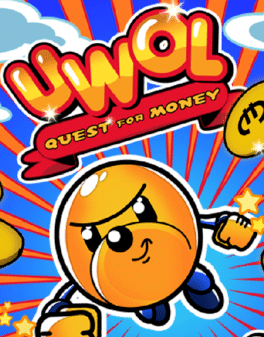
Commodore C64/128/MAX ZX Spectrum Super Nintendo Entertainment System Linux Sega Mega Drive/Genesis Android PC (Microsoft Windows) Commodore 16 Mac Amiga Commodore Plus/4 MSXUwol: Quest for Money was originally developed by the Spanish development team, Mojon Twins. Uwol was released for the ZX Spectrum Console and it has been ported to the Genesis by Shiru. Uwol is a really fun game that resembles a lot the 80s and 90s arcades, and also it is "Nintendo hard". Uwol Features 55 Levels where the player needs to find money on a millionaire mansion that is haunted by our classic monsters.Hannah Montana: Rock out the Show
2009
Hannah Montana: Rock Out the Show is the first Hannah Montana game on the PSP.Singstar: Svenska Stjärnor
2009
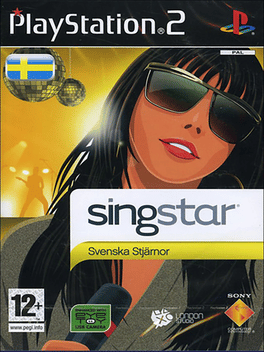
The Singstar concept has met great success in Scandinavia, but earlier releases had only English songs. Consumers wanted to sing songs they knew, in their own language, and Singstar svenska hits was born. The game follows the same layout as previous games in the series, but with new artists.Resident Evil 5: Collector's Edition
2009
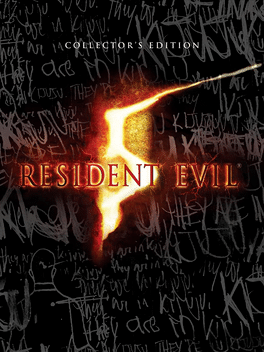
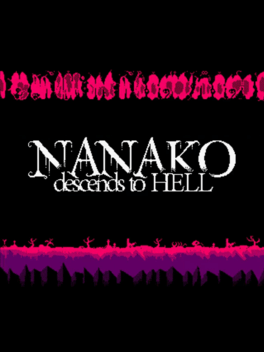
This Collector's Edition includes: - Resident Evil 5 - Tricell messenger bag - Chris Redfield figurine - BSAA patch - Kijuju-inspired pendant - Custom-made Steel Case (holds game and bonus disc)Nanako Descends to Hell
2009
Controlarás a Nanako en el Infierno buscando los cuatro trozos del artefacto ese. El maldito Infierno se te presentará usando una perspectiva cenital. Podrás mover a Nanako en las cuatro direcciones, guardándote de darte una morrada contra los enemigos que pululan por ahí con el baile de san Vito (de todos es conocido que no hay servicios públicos en el Infierno; de hecho el Martirio Infernal se reduce a que no puedes ir a mear en toda la eternidad – según la doctrina de Vah-Ka). Además, a lo largo del juego encontrarás otros objetos (además de los cuatro trozos del artefacto) que te serán necesarios en tu aventura: Agua bendita: Portando un frasco de agua bendita hará que la próxima morrada contra un enemigo no nos reste una vida. Cizallas: Las cizallas sirven para abrirse paso a través de las rejas metálicas. Para usarlas, colócate junto a la verja y pulsa la dirección en la que esté junto con FIRE. Hacha: El hacha sirve para abrirse paso a través de los árboles. Se emplea de la misma form