New Games - Page 11272

Yoshi's Island: Kamek's Revenge
2007
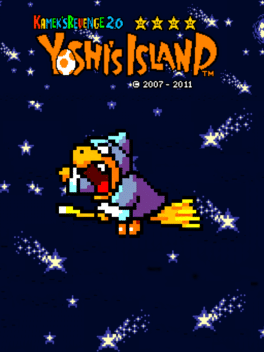
Yoshi's Island: Kamek's Revenge, commonly referred to as Kamek's Revenge or YIKR, is a Yoshi's Island hack by S.N.N. The original version was released on September 29, 2007. It was inspired by the bonus level 5 of the same name from the original game. In late 2016 BTD6_maker took over the project, releasing version 2.0 with a completed Extra 5 and various other fixes in March of 2017. The most recent release of Kamek's Revenge was on February 06, 2018.Gravitee
2007
Gravitee
2007
Gravitee is golf in space, using real world Newtonian Physics. A quick tutorial mode will help you learn the basics, but only the most skilled will unlock the 20+ bonuses throughout the ten levels of play.FIFA Soccer 08
2007
Buccaneer
2007
Buccaneer
2007
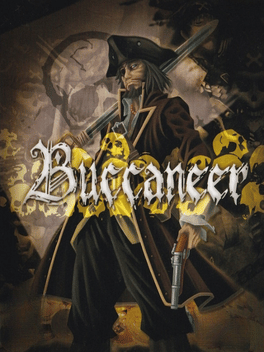
Buccaneer is an Action game, developed by DigitalWare and published by D3Publisher, which was released in Japan in 2006.Happy Princess
2007
Happy Princess
2007
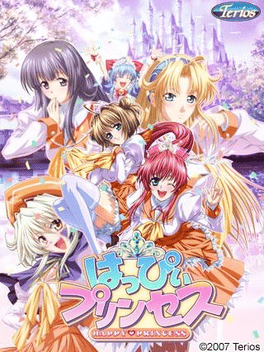
Tomoyuki is a high school student. He temporarily lives alone because his parents are abroad on business. But, he enjoys his life with his childhood friends and classmates. One day, his peaceful life suddenly changes... Several girls appear in front of him, and tell him, "Choose one girl whom to marry!" He doesn't know what's going on, but his friends join this battle as well. Whom will he choose in the end...?Go! Sports Ski
2007
Go! Sports Ski
2007
Go! Sports Ski is a skiing simulator that harnesses the SIXAXIS wireless controller to twist, turn and pull off tricks. The easy and intuitive motion control allows you to fly down visually stunning slopes right out of the gate. Supporting various single player modes, including slalom racing, a split-screen versus mode and several online battle modes, Go Sports Ski features two distinct courses.Holly Hobbie & Friends
2007
Play a series of minigames featuring the characters from the American Greetings brand.Heroes of Hellas
2007
Heroes of Hellas
2007
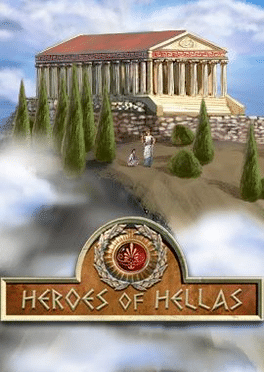
Recover the stolen scepter of Zeus in: Heroes of Hellas. Travel across Ancient Greece and swap objects to create matching groups of three or more. As you progress, legendary heroes of the ancient world, including Hercules, Perseus, and more appear to lend a helping hand in your quest to return the powerful scepter to the mighty Zeus!Tiger Woods PGA Tour 2008
2007
You're facing a long putt for par on the 17th hole with Tiger Woods clinging to a one stroke lead. You've been in this position before, but that doesn't matter now. Or does it? Whether you play it safe or go for broke, Play with Confidence in Tiger Woods PGA Tour 08. The all-new Shot Confidence feature uses factors from your previous rounds - including club selection, lie, hole, and more - to determine your confidence heading into each shot. Play with the confidence of a pro as you battle the best golfers on the most courses ever in your quest for the coveted FedEx Cup Championship.Limbo of the Lost
2007
Limbo of the Lost
2007
Do you believe in Fate or Destiny? If not, maybe you should reconsider as the twin brothers, Fate and Destiny, are battling for supremacy over Mankind! Their battleground: a vast citadel called The Keep of Lost Souls, created before time and in a realm known as LIMBO. If Fate wins, the 7th Gate to the Kingdom of Shadows will be opened, Armageddon shall be birthed and Mankind will suffer for all eternity. If Destiny wins, mankind prospers.Arma: Queen's Gambit
2007
Arma: Queen's Gambit
2007
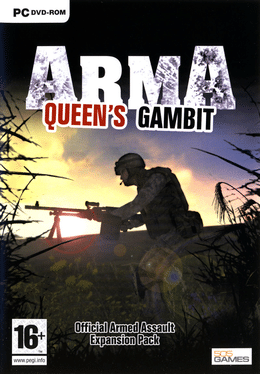
star 6This expansion pack for ArmA features new campaigns and new multiplayer missions.Conan
2007
Conan
2007
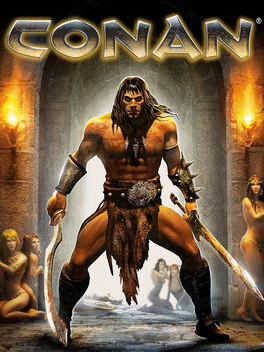
star 6.4Embark on the adventure of a lifetime in the epic environment of the Conan Universe. Master the sword of the greatest warrior to roam Hyboria! Complete Conan's quest across 5 vast regions of Hyboria, from the icy Cimmerial to the steaming jungles of Dafar! Find your way through endless secret temples, cursed catacombs and forgotten caves! Defeat 10 fearsome bosses! Develop your fighting skills with 16 types of sword, axe and mace, plus 50 different combos! Follow the quest and find all lost parts of the legendary Atalantean Sword to combine them into the ultimate weapon! Live in the deep, exciting storyline created in the spirit of Robert E Howard's original Conan tales! Battle against your friends in the 11 arenas in 3 battle modes, Death Match, Body Count and Time Challenge!Enemy Territory: Quake Wars
2007
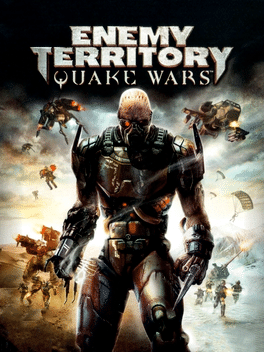
star 7Enemy Territory: Quake Wars is a first-person shooter video game developed by Splash Damage and published by Activision for Microsoft Windows, Linux, Mac OS X, PlayStation 3 and Xbox 360. The prequel to Quake II, Quake Wars is set in the same science fiction universe as Quake II and Quake 4, with a minimal back-story serving as a prequel to Quake II. It is the second multiplayer-focused game in the Quake series after Quake III Arena. Quake Wars features similar gameplay to Wolfenstein: Enemy Territory, but with the addition of controllable vehicles and aircraft as well as multiple AI deployables, asymmetric teams, much larger maps and the option of computer-controlled bot opponents. Unlike the previous Enemy Territory games, Quake Wars is a commercial release rather than a free download. Enemy Territory: Quake Wars received mostly positive reviews upon release, although it received some criticism on consoles.Dungeons & Dragons Online: The Necropolis, Part 3
2007
A quest pack featuring five undead-themed adventures. This collection includes the "Tomb of the Tormented", which requires players to very patiently guide rats through a trap-filled maze.Dungeons & Dragons Online: The Necropolis, Part 4
2007
As the gates of death open, the Black Abbot beckons Stormreach’s finest to witness the birth of a god. The hour of ascension is upon us! Can Eberron’s newest deity be defeated? This adventure collection includes several dungeons, a large wilderness area and a raid. It is some of the most challenging content in the game and requires great teamwork.Deja-Vu!
2007
Deja-Vu!
2007
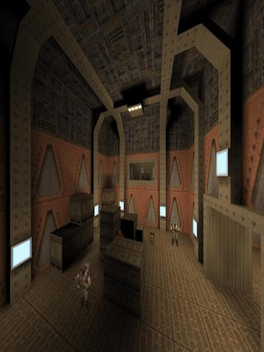
A small 5-map episode for Quoth. Starts with base maps and ends in a Doom-like "hell bunker".Eiken DS
2007
Wangan Midnight Portable
2007
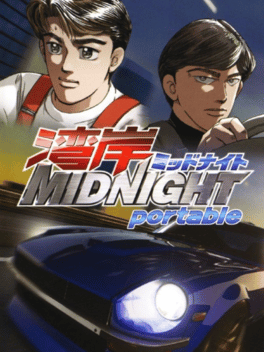
Wangan Midnight on PSP is a car racing game inspired by a Japanese manga. You play as a young man fan of cars including Nissan Z series. Participate in night races against powerful opponents and you will get rewards that allow you to boost your racing car as you see fit.Bratz: The Movie
2007