New Games - Page 11615

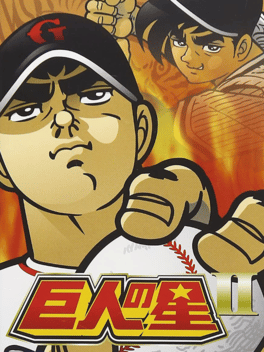
DoraSlot: Bakuenchi! Kyojin no Hoshi II
2005
Dora-Slot: Kyojin no Hoshi II, is a Pachislot game based on real machines. The theme of the game is based on Japanese manga/anime series Star of the Giants. The main game consists of 3 different variants of the slot machines, which feature two side bars that interact based on how you score and if you activate any bonuses or meet certain conditions. These feature characters from the series, with voice acting and Japanese humor. The library allows users to play with the sounds and music, view a catalog about the machine, or even view the staging for various transitions without playing through the game repeatedly. Although, it's still up to luck if you'll complete it, you can hear the voice acting and see the effects that the machine uses in this mode. Pachislot games are a cross between pachinko machines and western style slot machines. They play more like western style machines, although they often feature mechanical enhancements, animations, mini-games, and various ways of getting bonuses that are more complex thanSonic Reversi Hyper
2005
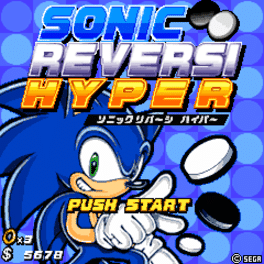
Sonic Reversi Hyper
2005
Sonic Reversi Hyper is a mobile phone game released for i-mode 505i, Vodafone Live! (256KB) and EZweb (BREW 3.1) devices through the Sonic Cafe portal. It is the sequel to Sonic Reversi.Ururun Quest: Koiyuuki
2005
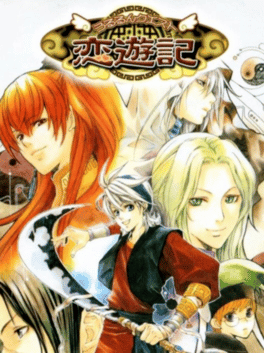
Ururun Quest - Koiyuuki is a fully voiced Japanese PS2 videogame classified as an 'Onna no Ko Senyou (Girl-targeted) Love Simulation+RPG' by its developer. It was released in 2005 and marketed as the first 'RPG targeted towards girls'. The player acts as the main character, Ruri, while she adventures around her world with her friends and finding new companions.Taisen Bomberman 8
2005
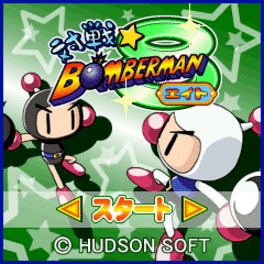
Taisen Bomberman 8
2005
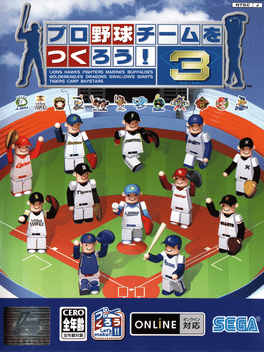
Taisen Bomberman 8 is the second game in the Taisen ☆ Bomberman series. It is an enhancement over the previous game, adding a 8 player multiplayer mode.Pro Yakyuu Team wo Tsukurou! 3
2005
A baseball team management and simulation game set in the Japanese professional league. Part of Sega's "Let's Make" series.Taito Memories II Joukan
2005
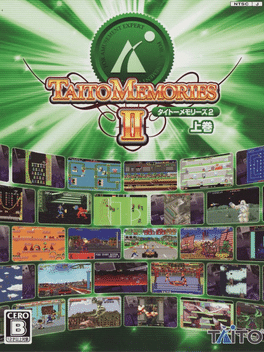
Taito Memories Joukan was released in 2005 for the Japanese PS2 and contains 25 of Taito's arcade games from the 80s and early 90s: - Ah Eikou No Koshien - Alpine Ski - Bubble Bobble - Cameltry - Cleopatra Fortune - Darius Gaiden - Don Doko Don - Elevator Action Returns - Flipull - Grid Seeker - Jigoku Meguri - Kiki Kaikai - Kuri Kinton - Light Bringer - Lunar Rescue - Majestic Twelve: The Space Invaders Part IV - Metal Black - Puchi Carat - PuLiRuLa - Rastan Saga - Runark - Space Invaders Color - Space Invaders DX - Syvalion - The Fairyland StoryTaito Memories Joukan
2005
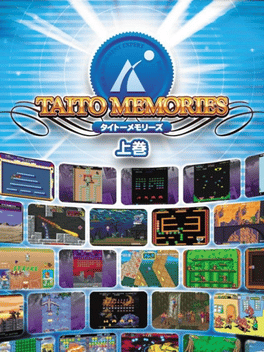
A Compilation of Taito games which includes: – Space Invaders Color – Lunar Rescue – Alpine Ski – The Fairyland Story – KiKi KaiKai – Bubble Bobble – Rastan Saga – Kuri Kinton – Syvalion – Bonze Adventure – Cameltry – Don Doko Don – Flipull – Ah Eikou No Koshien – Majestic Twelve: The Space Invaders Part IV (Super Space Invaders '91) – Runark (Growl) – Pu-Li-Ru-La – Metal Black – Grid Seeker: Project Storm Hammer – Dungeon Magic – Space Invaders DX – Darius Gaiden – Elevator Action Returns – Cleopatra Fortune – Puchi CaratSengoku Cannon: Sengoku Ace Episode III
2005
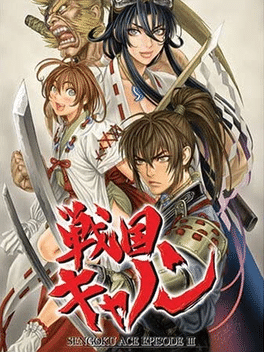
Sengoku Cannon: Sengoku Ace Episode III is the third entry in Psikyo's Sengoku Ace series of shoot em up games.Negima! Magister Negi Magi: 2 Jikan-me - Tatakau Otome-tachi! Mahora Daiundoukai SP
2005
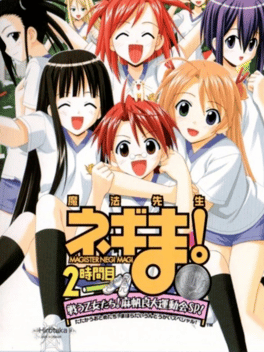
The second PS2 game based on the manga series of the same name. This visual novel features an original story revolving around a sports festival.Konjiki no Gash Bell!! The Card Battle for GBA
2005
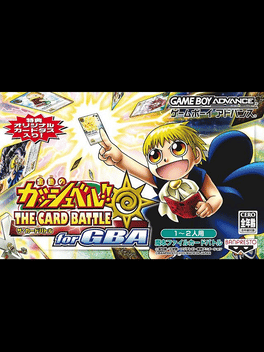
Konjiki no Gash Bell!! Makai no Bookmark is an anime-based role-playing adventure.Tenchu: Time Of The Assassins
2005
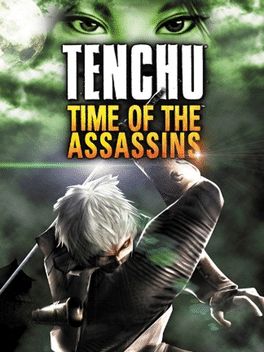
The Assassins are back... Tenchu: Time of the Assassins sees the return of Rikimaru, Ayame, Rin and Tesshu in their most impressive Ninja adventure to date. -Create new storylines with scenario mode -Create and share your own missions -Play story mode or any of 50 standalone missionsOsu! Tatakae! Ouendan
2005
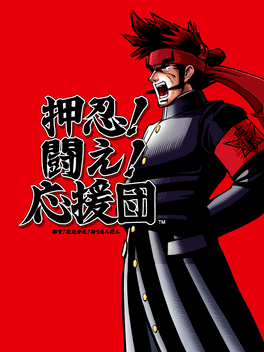
star 8.7Osu! Tatakae! Ouendan, or simply Ouendan, is a rhythm video game developed by iNiS and published by Nintendo for the Nintendo DS handheld game console in 2005, for release only in Japan. Ouendan stars a cheer squad rhythmically cheering for various troubled people, presented in game in the style of a manga comic. In each stage, players use the DS touchscreen to tap specifically marked spots that appear in rhythm to various Japanese pop songs, scoring points for accurate timing and avoiding a poor performance which can cause the stage to end prematurely. Though never released in Western markets, it was a popular import to these regions, leading to the development of the Westernized spiritual sequel Elite Beat Agents, as well as a direct Japanese sequel Moero! Nekketsu Rhythm Damashii Osu! Tatakae! Ouendan 2.Tokyo Xtreme Racer Drift 2
2005
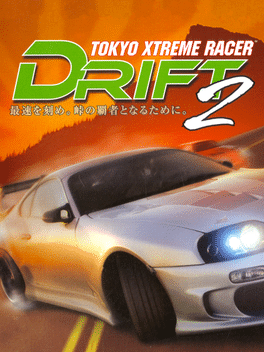
star 6The mountains of Japan are calling - and so are your racing rivals. With the mysterious disappearance of the reigning champion, the tournament crown is suddenly up for grabs. Many will vie, only one can win. Do you have what it takes to race, grind and drift your way to the ultimate racing prize? Race in the dangerous mountains of Japan - Hakone, Niko, Haruna and Akagi - all faithfully recreated using the most advanced laser techniques to maintain every tight twist and turn.Pac 'n Roll
2005
Pac 'n Roll
2005
star 6.8In Pac'N Roll, the inhabitants of Pac-World have been turned into spheres by the evil monster Golvis' Ghost Light. Pac-Man must roll his way through Ghost-Land, collecting pellets and confronting Ghosts to save his family and restore peace to Pac-Land. Introducing an innovative new control scheme, Pac'N Roll lets players control Pac-Man with the Nintendo DS stylus. Players can roll and dash around the environment as well as execute maneuvers such as hairpin turns, immediate stops and precision rolling with effortless strokes of the stylus. In his quest to save Pac-Land, Pac-Man will venture through stages such as Castle Pac, Gyro-Jungle and the Ghost House, while facing perilous hazards like moving floors, dash panels, jump zones and wind zones. Along the way, Pac-Man will find power-ups like the Winged Chocolate, allowing him to fly through the worlds and jump over Ghosts, or the "Knight Chocolate," providing him with armor which grants him the power to crash through walls and withstand more damage. Pac'N Roll alsGlobal Defence Force
2005
Global Defence Force
2005
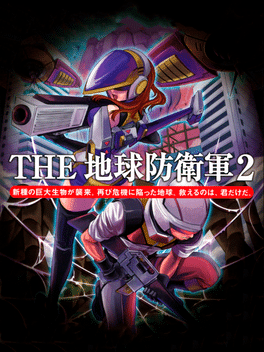
The second game in the The Chikyuu Boueigun series, renamed Global Defence Force for its English release (similarly the first game was renamed Monster Attack for its English release). It's been two years since the invading alien menace was defeated by the Global Defence Force (the game renames the "Earth Defence Force" from the previous game), but like any good off-world threat, they're back for more, and they've brought new weapons and technology in their attempts to take Earth and eliminate humanity. Thankfully, the GDF has also been developing new technology to fight them. Global Defence Force is a third-person action shooter. Choose from either an GDF infantryman or the flight-capable Pale Wing, each with different abilities and dozens of weapons each, and set out to shoot down hordes of giant insects, enormous robots, and UFOs of incredible scale. You can choose two weapons to carry for each mission, and pickups dropped by enemies will unlock new weapons and increase your character's maximum health. You canFatal Frame III: The Tormented
2005
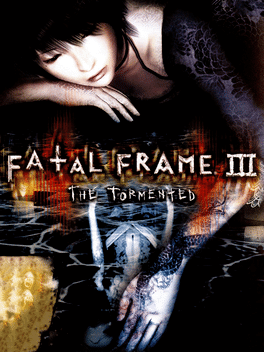
star 8Rei Kurosawa suffers a strange dream each night, since she took a photo of her dead boyfriend in an abandoned old mansion. Every night the dream will take her deeper and deeper in an old mansion, when she will have to find out what is going on.Shadow Hearts: From the New World
2005
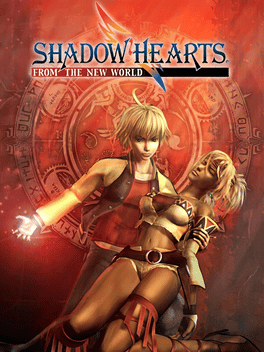
star 6.4Shadow Hearts: From the New World is the third official game in the Shadow Hearts series. The game series departs from Europe and centers on the "New World", the Americas. It is not directly related to the previous games in the series but it occurs in the same universe. The main characters' quest is to investigate mysterious "windows" from which vicious monsters pop out. Gameplay follows that of its predecessors, using the Judgment Ring to decide most battle outcomes, as well as many other actions throughout the game. A new "Stock" system was made for this game which expands the combination attack system between party members from Shadow Hearts - Covenant and enables double attacks. The "Stock" system works by filling up a character's stock gauge when he/she performs or receives an attack. A maximum of two stock gauge may be stored. Stock can then be utilized in many ways. For example, doing a Double attack (a character performs two action on the same turn) or starting a Combo consumes one Stock. A Double ComboNeed for Speed: Most Wanted Demo
2005
The PlayStation 2 demo disc for Need for Speed: Most Wanted features 3 unique events that are not found in the main game, including a race against Rog, Blacklist rival #16.Down the Ratbit Hole
2005
Down the Ratbit Hole
2005
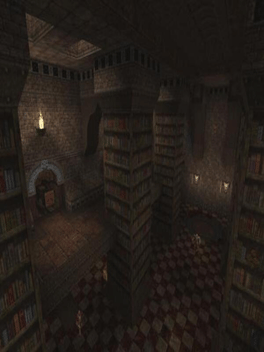
Medium sized medieval library map using Knave textures - made for the SM100 turtlemap event.