Most Popular Xbox 360 Games - Page 266

Hyparxis
2023
Hyparxis
2023
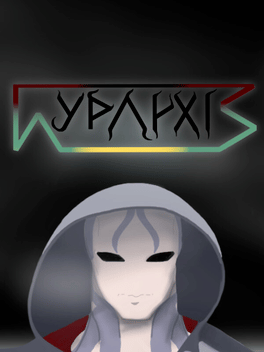
As an artificially created being with unlimited potential, explore the foundations and extensions of existence! Find friends and companions on this way, but take good care of them, because lives are fragile. Hyparxis is a turn-based, classic JRPG with unlimited character development.Vampire Revenge
2021
Vampire Revenge
2021
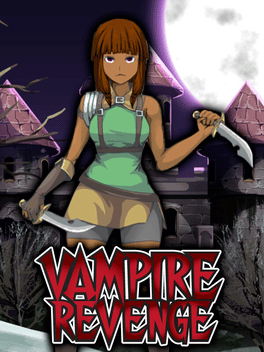
Vampire Revenge is an adult 2D game developed by Gaweb Studio. Play as a weakened vampire lord and fight your way to the top, either by fighting or seducing. Includes the following themes : blood sucking, hypnotism, fight, animated sex, maze exploration, power-ups and more!Gjallarhorn
2023
Gjallarhorn
2023
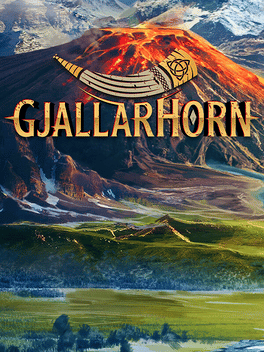
Two years following the Second Great War, the Osirian Empire wrestles with finding a new ruler. While each faction sees a different future for their people, decisions are made by strength, not through ideals, and only the dead have seen the end of war.Pirate Galaxy
2009
Pirate Galaxy
2009
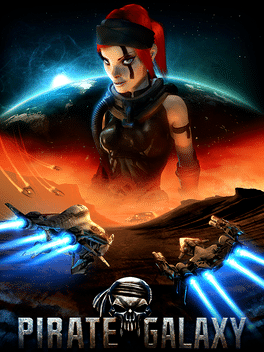
Pirate Galaxy is a 3D, sci-fi brower-based MMO from Splitscreen Studios and Gamigo with real-time action. The game's story concerns the invading alien Mantis and the fight to stop them.Forever Legend
1998
Forever Legend
1998
Forever Legend is a freeware role-playing game inspired by Final Fantasy series. A young child from the outside world came into the realm of ordinary people from the huge meteor. The child, named Kilgaly, grows up to become a hero who has to vanquish evil and save his land. Gameplay is divided into overworld traveling and turn-based battles with menu options such as "attack", "magic", "item" and "run". The overworld is viewed from a top-down perspective, which switches to a side view during battles, like in Final Fantasy games.Andromeda 2 Zombies
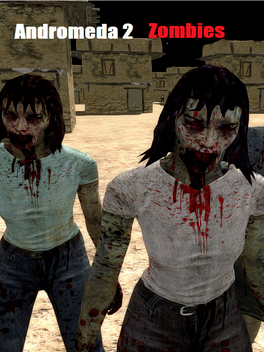
2012
Andromeda 2 Zombies
2012
Andromeda 2 Zombies is an First Person Shooter video game featuring zombies. The game take place in the far future where spatial exploration of galaxy is possible. A virus has spread and now zombies are rampant. The hero is in the military and try to bring order in the Andromeda galaxy.Shanghai1920
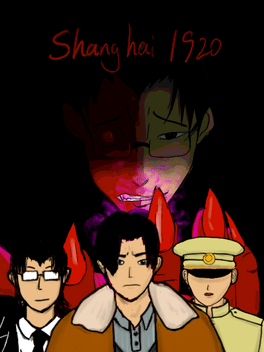
2021
Shanghai1920
2021
This game is a suspenseful visual novel style game, Players will play a 20th century police in Shanghai, China, Discover the hidden story and truth behind the murder through exploration and investigation.Coffee with Prescilla
2020
18+ Adults Only Content It is a choice-driven episodic Adult Visual Novel(AVN) mini-game that gets right to the point.The Lord of the Rings Online: Quad Pack
2014
Get all four award-winning The Lord of the Rings Online Expansion Packs in a single purchase! Mines of MoriaDelve into the dangerous depths of Moria, and try to reclaim its dark halls from the evil burrowed within. Over 350 quests designed to support player levels 50 - 60.Dying Light: The Following - Astronaut Bundle
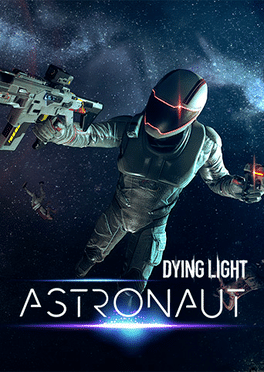
2021
Ready to bring your excitement to the moon? Fight off an alien invasion with this spacetastic equipment from Volkan!Outward Adventurer Bundle
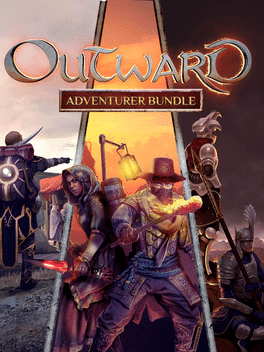
2021
The Adventurer Bundle includes the critically acclaimed Outward, and it's DLCs “The Soroboreans” and "The Three Brothers" Outward. An immersive RPG experience coupled with survival gameplay, playable in solo or online co-op.Dying Light 2: Stay Human - Ultimate Edition
2022
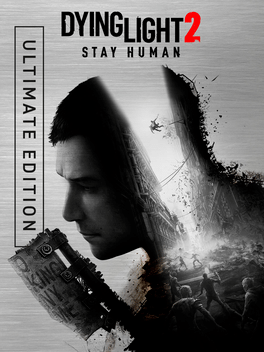
Use your agility and combat skills to survive, and change the fate of The City. Upgrade your Standard Edition to get the Ultimate content and enjoy Dying Light 2 to the fullest.Lust Vessel
2020
Lust Vessel
2020
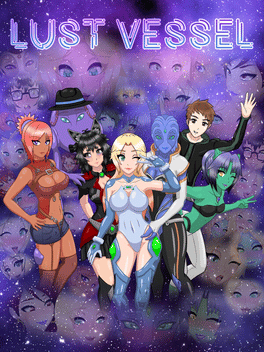
Lust Vessel follows the story of Kate, she took a space cruise for her vacation but after getting drunk she woke up without memories of the last couple days, as she leaves her room she finds out that everyone has lost themselves to passion, now she has to find out what is happening.Infinite Mana
2024
Infinite Mana
2024
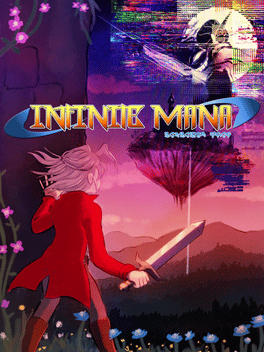
Infinite Mana is a RPG about exploration, a light sandbox, and glitch mechanics set in the magickal world of Arukea. You are the Wanderer: branded and without memory. Make friends and discover who you are, unlock unique Guises (classes), seek Relics, talk to animals, collect items, fish, and more!Atelier Ryza: Ever Darkness & the Secret Hideout - Lent's Story "True Strength"
2019
A new story is added in which Lent is the main character. During the story, the player controls Lent as they play the game.Atelier Ryza: Ever Darkness & the Secret Hideout - "The End of an Adventure and Beyond"
2019
A new story is added in which Lila is the main character. During the story, although Empel also appears in the story, the player controls Lila as they play the game.Atelier Ryza: Ever Darkness & the Secret Hideout - "Secret Solitary Island"
A new highly difficult gathering area will be added to the final section of the game. Also, new events related to the gathering area will be added. The monsters that appear in the gathering area are stronger than those from other maps, and an extremely powerful monster resides there as well.Atelier Ryza: Ever Darkness & the Secret Hideout - Tao's Story "Interwoven Fate"
2019
A new story is added in which Tao is the main character. During the story, the player controls Tao as they play the game.Atelier Ryza: Ever Darkness & the Secret Hideout - Klaudia's Story "Atelier Klaudia"
2020
A new story is added in which Klaudia is the main character. During the story, the player controls Klaudia as they play the game. After installing the content, the story can be selected via the title menu.