Most Popular Xbox360 Games - Page 265

Nowhere
2007
Nowhere
2007
Nowhere is a horror action game for mobile phones. The game takes place in two worlds where players control Lucas and John. Lucas has lost his wife Emily and is slowly getting his life together with Catherine, while John goes out to find his wife Emily while battling monsters.Atelier Firis: The Alchemist and the Mysterious Journey - Shanon
2017
With this DLC you will be able to interact with the new character Shanon and a new outfit will become available to use under the Change Outfit option inside the Atelier. *You need to progress the story to the certain point to add Shanon to your party.Atelier Firis: The Alchemist and the Mysterious Journey - Heintz
2017
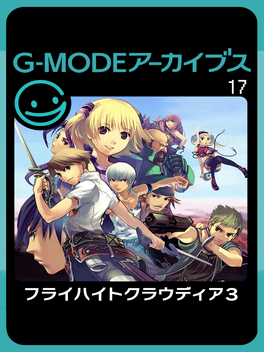
This is an additional character for Atelier Firis: The Alchemist and the Mysterious Journey. This will allow you to add "Heintz" to your party.G-Mode Archives 17: Flyhight Cloudia III
2020
The thoughts reflected in the distant sky are the ties that bind a new world... Here and now, all the mysteries will be revealed.Cronicas de Landulph
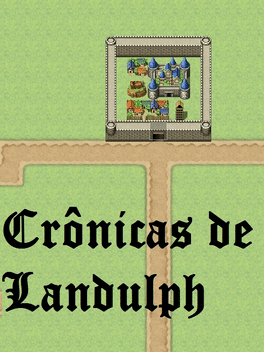
10 anos se passaram depois que o Deus Maligno Cruel foi derrotado, o mundo deveia agora viver em paz. O Grande Órion foi responsabilizado pelos crimes de Cruel e sumiu junto com os Shadowrunners. Sem os salvadores do mundo, cabe a você salvar o mundo.Lunatic Dawn: Book of Futures
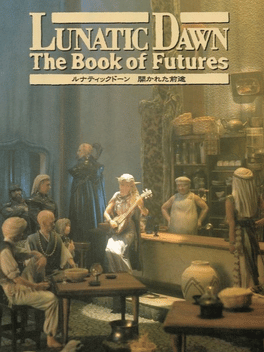
1995
Lunatic Dawn - Book of Futures is an RPG Windows PC game released by Artdink. You can be a hero or a villain depending on what tasks you wish to undertake. You can also smuggle, kidnap, assassinate, rescue, kill monsters, deliver items, and more. The game offers non-linear game-play where you can roam as you please in a randomly generated world with each game-play. The game also has Medieval Japan, Arabian, and Medieval European styled environments where you can start from or travel to. You can also recruit your own party members from each area as you wish also. If you are looking for a different type of RPG where you can play as you want, this is a must try.Death Blade
1996
Death Blade
1996
Your name is Corwin Ironfist. You are part of the city guard, trapped in an underground complex of a city in grave danger. Due to a mishap very early in the morning, you have no sword and no armor. You have reason to believe that whatever is plaguing the city, is located in this complex. You take a deep breath and move forward, to whatever awaits. Death Blade is a role playing game designed for the Macintosh. It's interface has been designed to be easy to use and quick to access. This is especially important since combat is real-time (well sorta). Death Blade is not overly complex as some roleplaying games are. It has been designed to allow even younger adventurers to take part in the quest. While the interface is simple enough for younger users, the graphics and game play should be a challenge for experienced players as well. There are sixteen levels to Death Blade. Each level poses a different problem that you have to solve. Some levels require a strong sword, while others require a systematic mind. ResearchBreach: Veil Demon DLC
2019
Every session is different in Breach with a new type of enemy: The Veil Demon. The Veil Demon Pack is the perfect complement for the demon inside of you.Sea Dogs: To Each His Own - The Caleuche
2016
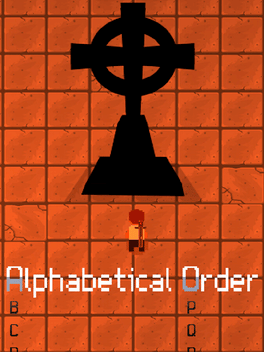
She's returned and she's after you. Dive into a mystic and tragic adventure, prove yourself against the most dreadful and dangerous enemy. Survive and claim the greatest prize any captain would dream of.Alphabetical Order
2021
Alphabetical Order
2021
Experience an exciting journey in a surreal world, fight for your name, your social status and to survive. Leave the arena as a winner, with money, a lot of loot and hopefully a good speedrun time. Retry to improve, test different weapons, loadouts and skillsets.Curse of Dragor
1995
Curse of Dragor
1995
Curse of Dragor is a single-player, role playing game similar to Dungeon Master, Eye of the Beholder and the like. The story takes place in Xorinth which lies in waste after being cursed by the banished Prince Dragor. The player ventures out with the goal of restoring the land to its former glory. The main character will be joined by 3 others to form a 4-person party. Characters level up as they gain experience while fighting off monsters with medieval weapons (swords, daggers, flails and more). The game boasts that there are "5,000 locations to explore and more than 500 objects to examine."Kemco RPG Selection Vol. 8
2021
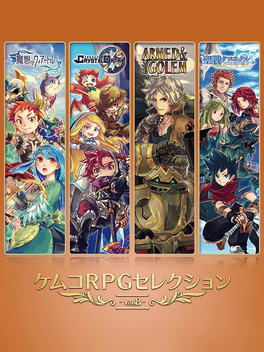
The 8th volume includes Armed Emeth, Crystal Ortha, Justice Chronicles, and Monster Viator.Azazel
2019
Days After
2021
Days After
2021
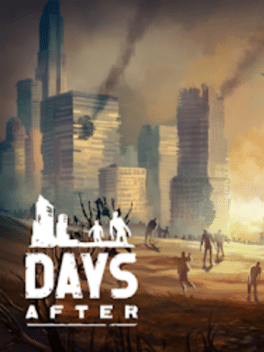
Days After is a survival shooting game in which you have to face the most terrible consequences of the zombie apocalypse. You have no right to make a mistake, because everything in this zombie apocalypse world is hungry for blood and brains. Choose your hero and pump him to the maximum. Survive in a harsh environment and collect resources. Create weapons and build your base. Fight against wild animals, bandits and zombies. The main goal is to survive at any cost. The following awaits you: zombie hunting, quests, several dozen different locations, treacherous bosses and pets. The bravest will be able to meet their love, but everything is not so simple. You will have to fight for her and make every effort to save her life. The journey will not be easy. In this survival simulator, you will have to deal with hunger, thirst, unthinkable conditions and a mysterious virus. Various types of zombies will constantly keep you on your toes. Not everyone is to be fought with, maybe sometimes you'd rather run away. Don’t foCitadel of the Dead
1994
Citadel of the Dead
1994
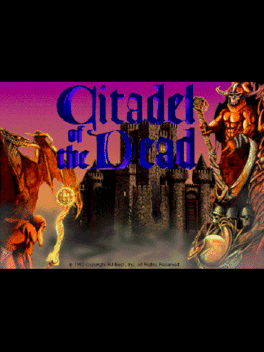
A first person dungeon crawler and re-release of the dungeon RPG DragonBlade.Oath
2021
Oath
2021
Take the Oath, overcome the Trials, and discover the truth of the Heart in this original indie RPG.Atlas: The Gift of Aramai
2001
There is great unrest in the realm of Ammeth. A new evil has risen in the northern reaches of the kingdom, and darkness spreads throughout the land. A young diplomat named Jarreck is dispatched by the crown. His mission is urgent: to seek the root of the evil, and to eradicate it. Atlas: the Gift of Aramai is a classic game of exploration and adventure in a realm on the brink of magical reawakening. Take the role of Jarreck as he leads an eclectic band of adventurers on a mission of reckoning and rediscovery. It is a pivotal moment for the realm of Ammeth: will a hero arise to challenge the darkness?Agora: Soul of the Oracle
1998
Reminiscent of Diablo, but instead of maps, the game consists of eighteen 3D globes. There are no boundaries, you can walk all the way around the globe if you want to. This does get somewhat confusing at times though. In order to move to the next globe, you have to find all the pieces of a stone disk. However, your enemies will also pick up the disk pieces and you have to defeat them to get them back. When you die, you are reincarnated at your "oracle", a stone structure which you have to defend. If your oracle is destroyed, you can no longer be resurrected. This is also true for your enemies.