New Simulator Games - Page 345

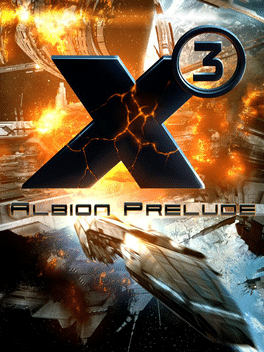
X3: Albion Prelude - Bonus Package
2011
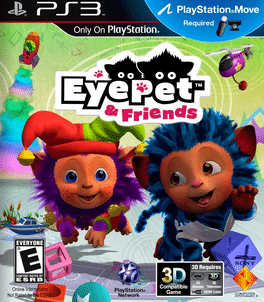
This Bonus Package contains a selection of signed plugin scripts for X3: Albion Prelude, created by members of the Egosoft forum community and validated by Egosoft.Eye Pet and Friends
2011
Eye Pet and Friends
2011
EyePet, just like a real pet, depends on you to keep him happy, healthy and growing strong. Now, with two little furballs on your hands, you've got an even bigger job. Use up to two PlayStation Move motion controllers (not included) to feed, nurture and entertain your pets, or hand one of them off to a friend or family member for a little help, and earn Pet Tokens for doing a great job. You love to dress up your EyePet, and this time, you can bedazzle him with outfits and toys of your own design as you craft them in the Creativity Center. A whole new toy chest offers plenty of new play options, including a laser pointer your pets will love to chase and a trick stick that will keep playtime fun. Plus, a variety of new games to play, activities to explore and tricks to teach are sure to keep you on your toes for nonstop fun. At the end of the day, you'll want to share all of your fun pet-filled memories, and it's easier than ever now that you can log on to the all-new EyePet community and hang out with other EyePet lX3: Albion Prelude
2011
X3: Albion Prelude
2011
X3: Albion Prelude plays in a time between the old and the new X Universe. It shows a universe in flux, and prepares players for things to come. The old X Universe is passing; a new X Universe is about to be created.Stardom: The A-List
2011
Stardom: The A-List
2011
star 9Stardom is a game for the iPhone/iPad and Android that puts the character into a role of a wannabe actor aiming to be the best in the movie business.TU-46
2011
TU-46
2011
TU-46 is a sequel to the game TU-95. This time around you control a 1970s airline. You get to control the brand new passenger aircrafts from Tupolev. Deliver passengers around 6 countries, use upgrades to improve your plane's stability and try to shine in the daily newspaper, every airline has its deadline, be the last one to stick around.Kinectimals Mobile
2011
Train Simulator: PRR GG1 Loco Add-On
2011
The GG1 electric locomotive is a true icon of North American railroading.Wappy Dog
2011
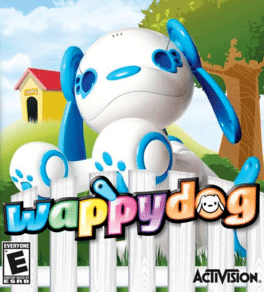
Wappy Dog
2011
Players interact with Wappy Dog who teaches young gamers to raise their very own puppy in both the real and virtual worlds and teach it cool tricks, play mini-games together and even converse! Each pet is a fully personalized experience, enabling players to customize both the in-game version and physical dog with different colors and accessories.Green Farm 2
2011
Green Farm 2
2011
Come on down and enjoy the next wave of farming simulation fun in this awesome new, 3D game for a more realistic experience on iPhone and iPad! With its fresh design and huge variety, Green Farm takes farming apps to the next level. Start your farm and manage it from anywhere. With so many animals, buildings, decorations and more, there’s no limit to the possibilities for your farm’s growth!Train Simulator: West Coast Main Line North Route Add-On
2011
The most significant route expansion since the launch of RailWorks, West Coast Main Line North brings you well over 100 miles of highly-detailed railway line.Toca Kitchen
2011
Toca Kitchen
2011
Toca Kitchen is a free cooking app for kids that’s perfect for aspiring chefs. Kids will roleplay a chef in a kitchen, exploring ways to cook tasty and silly foods for hungry customers to eat. This fun cooking app is sure to deliver nothing but creativity and imagination for kids!Talking Pierre the Parrot
2011
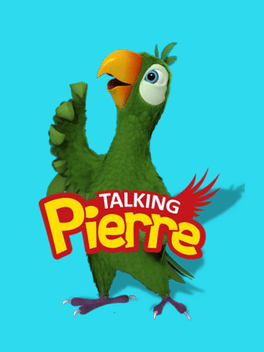
Talking Pierre is in the house! Are you ready for some amazing guitar shredding? Pierre now rocks Smoke on the Water, help him bend the strings!Devilish Cat
2011
Devilish Cat
2011
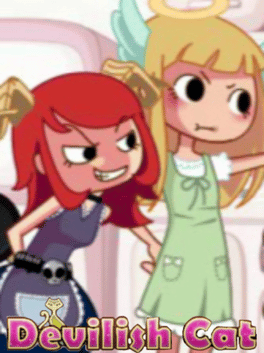
Your task is to feed the cat until it bursts. The owner must not see you. Be careful and make sure no one is looking at you.Agricultural Simulator 2012
2011
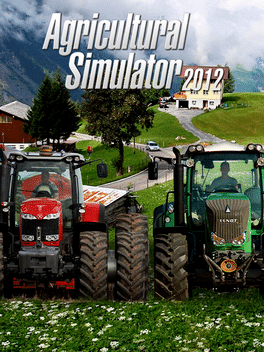
At their very own farm, hobby-farmers undertake the daily tasks of an agriculturist: The producing of food, sustainable resources and the delivery of energy materials. Fields have to be worked and farm animals fostered.Agricultural Simulator 2012: Deluxe Edition
2011
An idyllic grange surrounded by invitingly untouched mountain panoramas and unworked fields are awaiting all agriculture fans in the Agricultural Simulator 2012. At their very own farm hobby-farmers undertake the daily tasks of an agriculturist: The producing of food, sustainable resources and the delivery of energy materials. Fields have to be worked and farm animals fostered. To work smaller fields and alpine pastures only machines with less performance are available at the beginning, but the vehicle fleet will constantly be supplemented by more powerful agricultural implements.FabStyle
2011
FabStyle
2011
Fashion retail simulation game, the first Ruby Party game to not have the Neoromance label. The game's overall theme is to "live a wonderful life"; the common catch phrase for the game is "Fabulous!"Tamagotchi iD L 15th Anniversary Version
2011
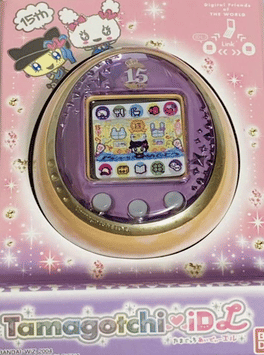
The Tamagotchi iD L 15th Anniversary Version is the limited edition fifteenth anniversary Tamagotchi iD L. It was released on November 23, 15 years after Tamagotchi first debuted. It comes in two colors, Royal Pink and Royal Purple, and has 11 new characters added. The baby, child, and teen characters return from previous entries in the Tamagotchi series. The new adult characters were pulled from the top rankings of a popularity poll featuring vintage, plus era, and anime-exclusive characters. There are also new locations and Henshin Jo transformations.Metropolismania 4
2011
Metropolismania 4
2011
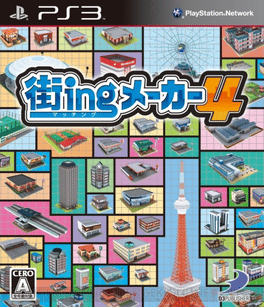
Introducing the definitive version of the city planning simulation that anyone can easily create a city. Become a city development designer "Metropolismania" and create a city as you wish! In this work, transportation such as trains, buses, monorails, and highways are also available! You can enjoy urban development with a spacious space, such as crossing a monorail over a railroad or highway.Machi-ing Maker 4
2011
Machi-ing Maker 4
2011
Machi-ing Maker 4 is a Strategy game, developed and published by D3Publisher, which was released in Japan in 2011.