New Adventure Games - Page 473

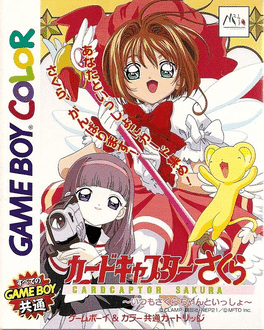
Cardcaptor Sakura: Itsumo Sakura-chan to Issho!
1999
Card Captor Sakura: Itsumo Sakura-chan to Issho! is a Japanese only Game Boy Color game.Quest: Fantasy Challenge
1999
As you're leaving a party at the castle, you're suddenly attacked by a swarm of evil monsters. Now you must fight your way through the monsters to get home. In each of the 20 levels, you must collect gems and open chests that are scattered throughout. However, there are a large number of enemies on your tail including Hellhounds, Apophis, Bumbershoot, Rocky, Skeletons, and Scorpions. Luckily, you have a magic wand that will destroy them, but there's a catch it must recharge between shots. There are also a multitude of power-ups like Fresh Bread, Mint Leaves, Honey Leaves, Dew Drops, Spirit Light, Healing Potion, Heroes Drink and the Dragon's Potion that will help you along the way. Try to collect all of the items and get home safely in QUEST FANTASY CHALLENGE.Soul of the Samurai
1999
Soul of the Samurai
1999
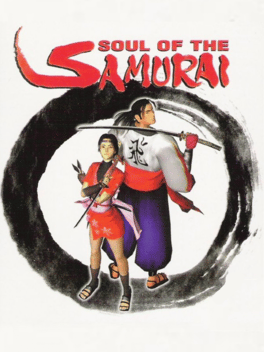
Claim your destiny as a proud warrior and honor your ancestors in Soul of the Samurai for Sony's PlayStation. It's the end of the Edo Period in Old Japan and forces are plotting against the Shogunate. The most powerful of the Shogun's lieutenant's, Kizumi Danmasa, has made a pact with a demon to destroy him and seize control. But the forces of light are already moving against Kizumi. On the side of good, but unknowing of his role, is the samurai, Kotaro Hiba, who has returned to the village of his youth to visit his parents' grave. Things have changed, people are wary of him and his parents' grave has been ransacked. All roads seem to lead to Kizumi's castle. The story really begins when you find a young woman being attacked by unruly guards and intervene on her behalf. Enter Lin of Sekirei, Bakafu spy. After a quick scuffle with the crazed town guards, you exchange remarks and head your separate ways. This will not be the final meeting between you two...Yesterday the D-Gate
1999
Tokyo Kowloon
1999
Cyber Org
1999
Cyber Org
1999
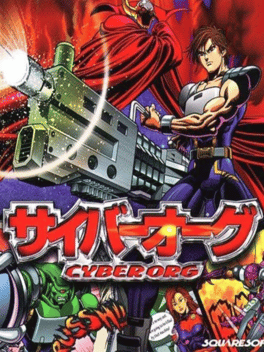
An action adventure game by Squaresoft. Set in a futuristic sci-fi universe, the player switches between 3 members of the Space Investigation Squad, tasked with finding out the fate of a vanished diplomatic vessel.Dead in the Water
1999
Dead in the Water
1999
Dead in the Water is all about the thrills, chills, and spills of powerboat racing. Choose from 14 different boats, and then hit one of the nine courses, each with unique obstacles, conditions, and jumps. After winning a race, upgrade your weapons to keep a tactical advantage over the competition. If racing for speed is not your style, play the battle mode and try to destroy all of your opponents. Thanks to the realistic water physics, swells will throw your boat into the air, currents will affect your speed based on their direction, and landing hard after a jump will put the boat under water and cause a major slowdown. Can you handle all of the action of Dead in the Water?Yami Fuku Natsu: Teito Monogatari Futatabi
1999
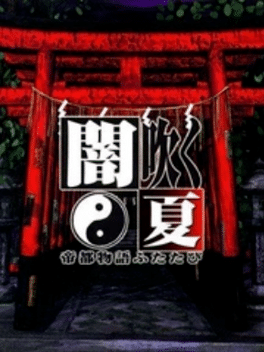
During one summer, the city of Tokyo has suffered from intense periods of rain, causing a lot of technological malfunction throughout the city. And in the midst of all this, strange phenomenon begin to happen frequently. Meanwhile, you play as Tatsuto Kuroda, a young feng-shui expert, who is sent to various part of Tokyo in order to deal with spiritual disturbances.Yuusha-Ou GaoGaiGar: Blockaded Numbers
1999
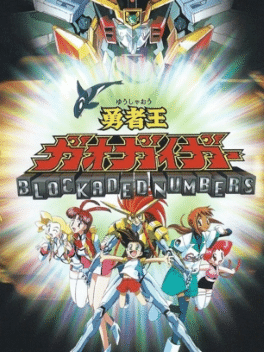
An adventure game containing two original stories presented as TV episodes set within the GaoGaiGar universe.Dark Eyes
1999
Dark Eyes
1999
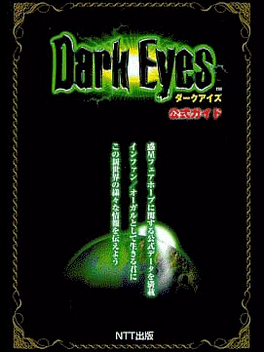
Dark Eyes was a 1999 MMORPG for Windows PCs by Nextech. It is one of the few games Nextech developed and published itself rather than for another company. Sega, who had complete ownership of the company at the time, announced a port to the Sega Dreamcast sometime in 1999. This never went to completion for unknown reasons. One exposition, in PlayerOne issue 99 page 28, showed the game having 3000 payers in one environment.Psychometrer Eiji
1999
The Creed
1999
The Creed
1999
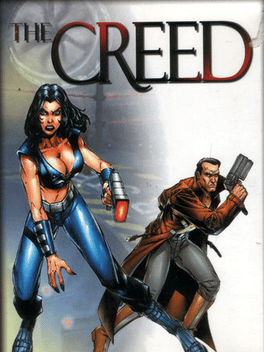
The Creed is a 1999 action-adventure game created by Australian developers Insomnia Entertainment and Dreamtime Interactive, and published by Electronic Arts and Midas Interactive. The game is a cyberpunk-themed action-adventure game set in a partial open world, allowing players to complete open-ended missions for the game's various factions. Upon a limited release in the Asia-Pacific, The Creed received praise from Australian publications for its atmosphere and environmental design.King of the Mountain
1999
King of the Mountain
1999
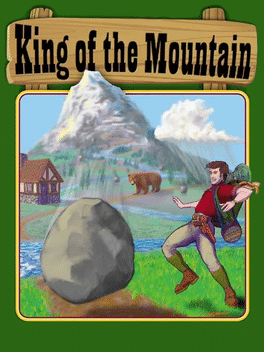
Head up the mountain, avoiding bears, boulders and inclement weather. But first, stock up on supplies -- you won't get far without food and shelter. But don't overpack -- the extra weight will slow you down. Reach the top of the mountain by managing the quantity of Fire, Food, Water, Ammunition, Shelter, Raft you carry. Watch for weather conditions and do not exhaust the $300 you are given when purchasing your goods. As you climb the mountain, your health is shown by the color of your climber. Red is full health, Blue is Medium health and Yellow is low health.Grey Tower
1999
Grey Tower
1999
You're no hero, so when your friend Jake asks you to join him in exploring a ruined castle several days' journey to the north, you refuse to have anything to do with the idea. Well, that was weeks ago, and you haven't heard from Jake. Much against your better judgement, you decide to go find out what became of him...and maybe pick up some treasure along the way.Little Mermaid Interactive Fairy Tale
1999
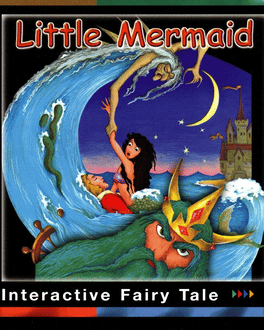
Little Mermaid is an Adventure game, published by Midas Interactive Entertainment, which was released in Europe in 1999.Blackout: Uma Aventura Energética
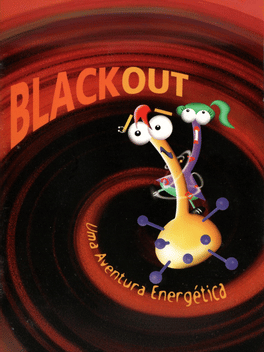
1999
In Blackout, you have to help energy beings, Bivolt and Risoluminosa, who are in trouble. They have noticed a threatening drop in the level of positive energy on Planet Earth, one of the driving forces of the realm of energetic beings who live in symbiosis with the realm of material beings and who, if they become unbalanced, will suffer the negative effects through excesses or shortages of energy in our world. When they ask for your help, they will tell you that, many years ago in our human time, they installed "positive energy" channels in various monuments throughout Planet Earth. Surprisingly, when they came to inspect their positive energy sources, they realized that they were deteriorating much faster than expected. They were being covered by a layer of negative energy, unbalancing their realm and threatening our existence. Join Bivolt and Risoluminosa and discover what's going wrong with the world's monuments.Hugo: Scylla's Revenge
1999
Hugo: Scylla's Revenge (international title) is a PC-only video game originally developed by Krogh Mortensen Animation and published by ITE Media in 1999. It is the third of Hugo Christmas special games ("Wintergames"), the other ones being Winter Games and Hugo Saves Christmas.