New Game Boy Games - Page 199

Kirby Speed Eaters
2004
Kirby Speed Eaters
2004
Kirby Speed Eaters is a Flash game based on the Speed Eaters minigame from Kirby & The Amazing Mirror. Four Kirbys are at a table. The table has a dish with a metallic lid on it. Occasionally, the dish is uncovered to reveal four apples or bombs. By pressing A, Kirby inhales the apples or bombs. Each apple gives the Kirby who inhaled and ate it one point, while any amount of bombs make the Kirby who inhaled it have to sit out for the next round. Whoever gets eight points first wins. If more than one Kirby presses A quickly, the four apples or bombs will be split between the Kirbys.Stacker
2004
Stacker
2004
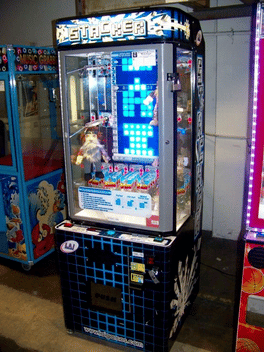
Stacker is a game merchandiser manufactured by LAI Games, first produced in 2004. The goal of the game is to align rows of lights on top of each other. A player who stacks 11 rows can choose to take a minor prize. A minor prize is usually low in value, sometimes lower than the amount of money the player paid to play the game. A player who stacks the blocks to the top row wins the jackpot prize, called the "major prize." Major prizes vary from machine-to-machine but will often include high-value items such as game consoles, mobile phones, and gift cards.Atari
2004
Atari
2004
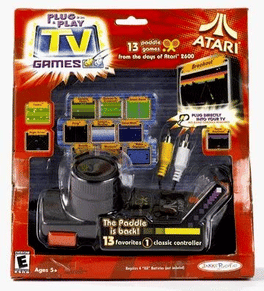
Plug It In & Play TV Games: Atari was released in 2004 by Jakks Pacific in both one and two player versions. The paddle controller contains 13 classic Atari games: Super Breakout Casino Warlords Arcade Warlords Circus Atari Street Racer Demons To Diamonds Steeple Chase Night Driver Breakout Canyon Bomber Video Olympics PongCrash Twinsanity 3D
2004
Crash Twinsanity 3D
2004
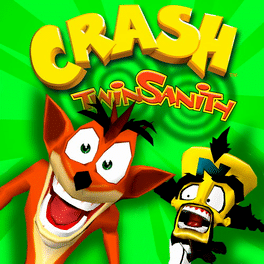
Crash Twinsanity 3D, not to be confused with another mobile Crash game, Crash Twinsanity, features traditional Crash gameplay as players run through levels collecting Wumpa fruit, breaking crates and dodging bottomless pits in order to save the world from the Evil Twins. Levels can be played as standard or in time-trial mode, where they are timed and given a rank depending on how quickly they completed the level. Unlike the console game and previous mobile game, Crash does not team up with Cortex in this game.Push Push Penguin
2004
Push Push Penguin
2004
Ice Town has been invaded by the evil snow trolls, all around is chaos as the snow trolls kidnap Ice Town's inhabitants. Amongst the turmoil one Penguin stands tall (or on tip toes) and decides to fight back. Our hero Pen-Pen and his sweetheart Deda-Deda set out to rescue the kidnapped citizens of Ice Town who have been sealed inside star blocks. Can Pen-Pen battle his way through many tough and dangerous levels, rescue his friends and beat back the evil snow troll army?Knuckles Treasure Hunt
2004
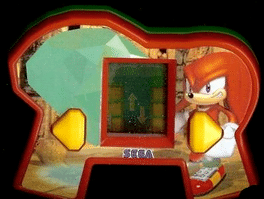
Knuckles Treasure Hunt is an LCD game created for distribution at McDonald's restaurants. They were offered as a part of Happy Meals for a limited time in 2004. | The objective of the game was to move Knuckles around with the two buttons to collect Chaos Emeralds. The level has six platforms that feature randomly appearing Chaos Emeralds. There are two moving platforms that take the player to higher or lower levels. After Knuckles accumulates a certain number of Chaos Emeralds the game ends.Sonic the Hedgehog Extreme Boarding
2004
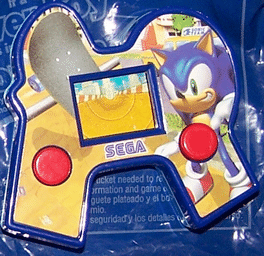
Sonic the Hedgehog Extreme Boarding is an LCD game created for distribution at McDonald's restaurants.. They were offered as a part of Happy Meals for a limited time in 2004. This particular game was also released under the name Sonic Skateboard. There are two main buttons on the game which control left and right movement. The game is a recreation of the Sonic 2 special stage as the player moves forward avoiding obstacles. There are three lanes that can be moved to and one is always open, while others may be occupied by bombs. There are also Rings which litter the screen, which can be collected. Once the player has collected 20 rings, they will move to the next level, which will be more fast paced, and thus harder. There are four levels to complete, and when one is completed, you will see a “Thumbs Up”, as it appeared in Sonic The Hedgehog 2.Stone Age Taxi
2004
Stone Age Taxi
2004
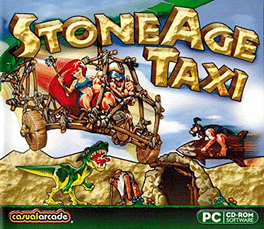
Stone Age Taxi is an arcade a where, driving an helicopter, you must take customers to their destination to pass the level.Super Mole
2004
Super Mole
2004
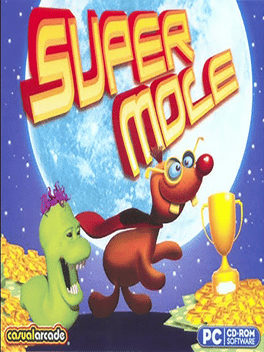
Super Mole it's a game similar to Boulder Dash in which on every level you need to collect a certain number of gold nuggets.Turbo Tanks
2004
Abandon 2
2004
Abandon 2
2004
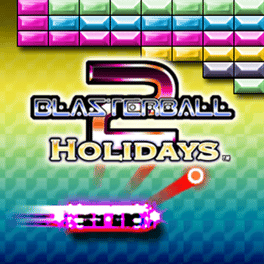
Abandon 2 is a Breakout game with an unique approach. Like any other Breakout game, your job is to remove all bricks in the level with a ball you control via your paddle, while avoiding the loss of the ball when it goes outside the screen. Once all bricks are destroyed in a level, you proceed to the next one. When all your lives are gone, you have lost. The unique thing about this Breakout is that you don't just control one single paddle (which is usually on the lower side of the screen), but you control actually four paddles simultaneously (on each side of the screen is one paddle). The paddle control is so made, that you can easily move all four paddle just with your mouse. But the result is, that only two paddles are normal (left to right; up to down). The other two are reverse (moving the mouse left to right will move the paddle right to left). The game itself offers two game modes, Classic and Extreme. Classic is the actual Breakout game, where you play through 12 levels. Extreme is basically Classic minusMagic Ball Deluxe
2004
Block Breaker Deluxe
2004
Block Breaker Deluxe
2004
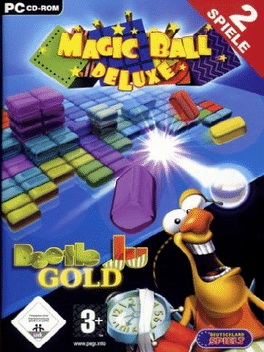
star 8.2Prepare for the frenzy of the coolest block-breaker game ever. Block Breaker Deluxe is a reinvention of the classic arcade brick-breaker game with a trendy graphical style, fun atmosphere and an exclusive multiplayer mode. Lively characters and amazing graphics provide distinctive settings of the jet-set nightlife, including a cool bar, dance club, casino and more. Special bricks, multiple bonuses, secret weapons, paddle size options and ball-speed variations make this fascinating game even more challenging. The Block Breaker Deluxe rage has arrived.CrazyBus
2004
FFX Runner
2004
FFX Runner
2004
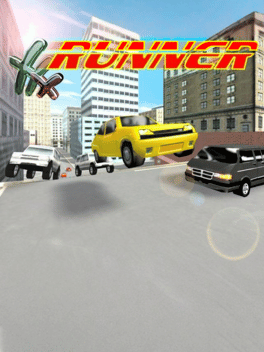
Run! They are determinated to kill you! Avoid enemy vehicles, your only chance to survive is to escape from your chasers by finding the escape way. You have no weapons and a limited fuel reserve. Pick up the bonuses along the map to get extra fuel and get car repair.Capcom Coin-Op Collection Volume 1
2004
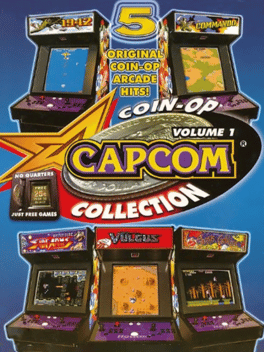
Capcom's Coin-op Collection Volume 1 is a compilation of five arcade games: 1942, Commando, Side Arms Hyperdyne, Vulgus, and Ghosts 'n Goblins.Blade: Trinity
2004
Blade: Trinity
2004
In this Marvel-licensed game you are Blade: half human, half vampire, and a feared vampire hunter. You need to track humans collaborating with the vampires, and then take on the creatures themselves with your gang of Nightstalkers - human vampire hunters. Vampire leader Danica has resurrected Drake, the original vampire, and they plan to use his blood to make all vampires immune to daylight. The action is shown with a top-down perspective as you move Blade through different locations. In the beginning of the game, you are locked up because you have killed a human disguised as a vampire. You soon discover that your interrogators, Chief Reede and Dr. Vance, are slaves of the vampires themselves.Russel's Cookie Eating
2004
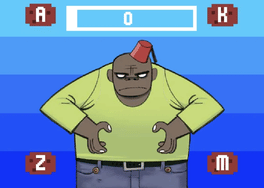
Russel's Cookie Eating is a Gorillaz mini-game, part of the Gorillaz Entertainment System. It was available in Russel's Room at Kong Studios on Gorillaz.com during Phase 2 and on the 2006 DVD Slowboat to Hades.