New Gamegear Games - Page 55

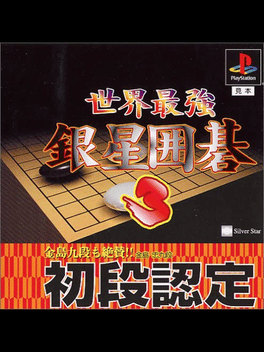
Sekai Saikyou Ginsei Igo 3
2003
Sekai Saikyou Ginsei Igo 3 is a board game that offers authentic igo (weiqi) experience. Apart from matching with the computer, 2 player matching is also supported. Player can pick from three types of board: 9x9, 13x13 and 19x19, and set the game as even or with up to nine handicap stones. Jump into the world of igo today!Simple 2000 Series Ultimate Vol. 14: Topai Dramatic Mahjong
2003
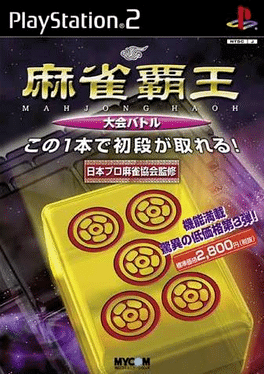
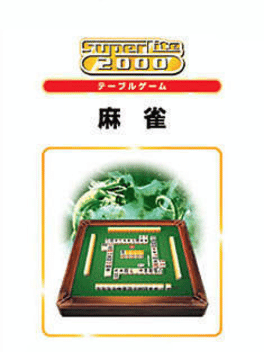
Topai Dramatic Mahjong is a mahjong game basic in a manga that features at the beginning of the game 2 different game modes, the main one is the story mode in which the player will advance through the story winning mahjong matches, the other mode is a sort of a free mode in which the player can play against 3 different computer opponents.Mario Party 5
2003
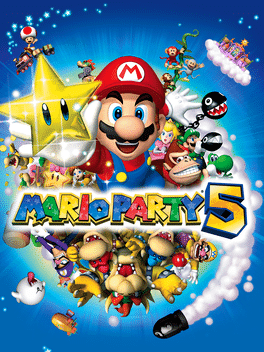
Mario Party 5
2003
star 6Help Mario and his friends restore peace to Dream World while racing around all-new game boards and finding new surprises.Ultimate Casino
2003
Ultimate Casino
2003
Ultimate Casino is a Miscellaneous game, developed by Amedio Co., Ltd. and published by D3Publisher, which was released in Japan in 2003 and in Europe in 2004.Sanrio Puroland: All-Characters
2003
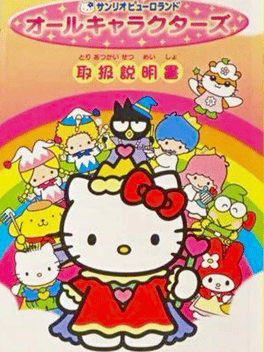
Sanrio Puro Land All-Characters is an Action game, developed and published by Tomy Corporation, which was released in Japan in 2003.Sonic Reversi
2003
Sonic Reversi
2003
Sonic Reversi is a mobile phone game released for i-mode 503i, i-mode 505i and J-Sky (50KB) devices through the Sonic Cafe portal.Hoyle Majestic Chess
2003
Hoyle Majestic Chess
2003
star 8A chess game with a heavy fantasy theme; the player travels across a map and follows quests that show you how to properly play chess.Duel Masters
2003
Duel Masters
2003
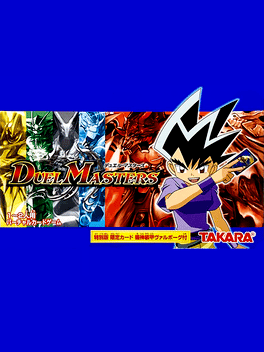
Based on the Duel Masters Trading Card game in Japan, Duel Masters was the first video game in the series. Developed by Amble and Produced by Takara, it was only released in Japan. It features cards from the first four sets of the TCG.Burning Monkey Solitaire 3
2003
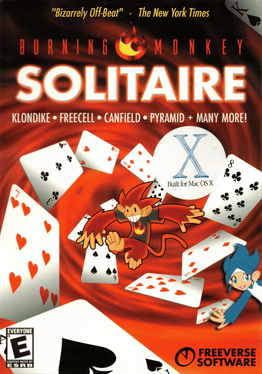
Burning Monkey Solitaire 3 is a solitaire game. It features 26 different games, multiple backgrounds and decks, statistics, and, of course, monkeys. Monkeys observe your playing, and may make comments at various points. You can also click the monkeys to get them to do something.Simple 2000 Series Vol. 29: The Renai Board Game Seishun 18 Radio
2003
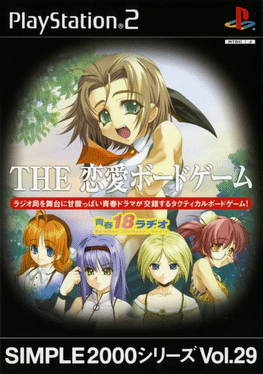
The Renai Board Game Seishun 18 Radio: Youth 18 Radio is a board game that also incorporates slight adventure aspects and high-production anime movies with the completion of each scenario.Marl Jong!!
2003
Marl Jong!!
2003
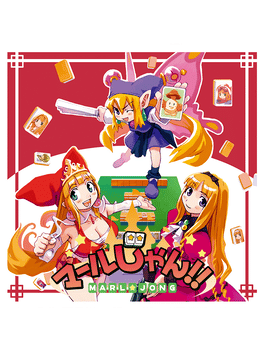
Marl Jong!! Is a puzzle game that was released on April 24th, 2003. It came with a drama CD and a vocal CD. It takes place mainly in Eringya Valley, but there is also a scenario that seems to take place in the Princess Contest mentioned in Little Princess.Bullseye!
2002
Akron
2002
35 Card Solitaire
2002
Mario Party 4
2002
Mario Party 4
2002
Mario Party 4 was an online Flash game that was meant to promote the release of Mario Party 4 on the Nintendo GameCube. It was available on the official Mario Party website, until its rebrand the following year for Mario Party 5.Heróis e Vampiros
2002
Heróis e Vampiros
2002
Heróis e Vampiros was a multiplayer Trading Card Game designed to complement the release of the vampire-themed telenovela O Beijo do Vampiro. In this card game, players could discover hints from the TV show to obtain special cards and abilities. Conversely, specific in-game events also impacted the storyline of the TV series, mirroring the dynamic struggle between Good and Evil portrayed both on screen and within the gaming world.Hikaru no Go: Insei Choujou Kessen
2002
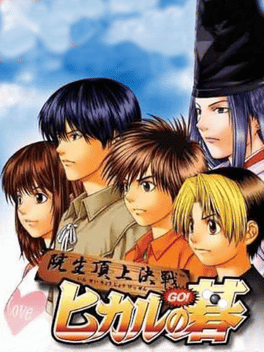
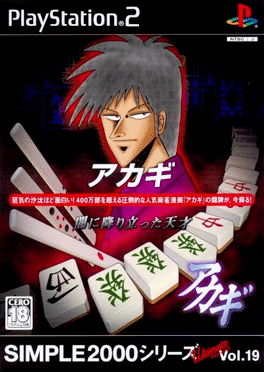
Hikaru no Go: Insei Choujou Kessen is a Japan-exclusive board game based off the Hikaru no Go magna series. The game was developed by Tenky and published by Konami for PlayStation in 2002.Simple 2000 Series Ultimate Vol.19: Akagi - Yami ni Furitatta Tensai
2002
Agaki Yami ni Oritatta Tensai: A character-driven mahjong game based on comics 1 through 6 in the Akagi series. Players become Akagi as he takes on opponent after opponent in strategic mahjong battles. The game features also other game modes like free mahjong mode, but the main mode is the story mode in which the player will advance through the story that is divided into stages winning mahjong matches.