Most Popular Platform Games - Page 17

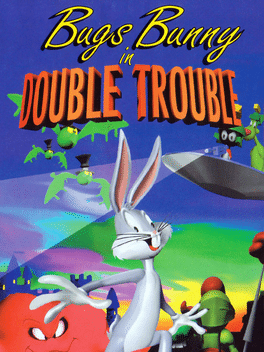
Bugs Bunny in Double Trouble
1996
star 5BUGS BUNNY has dreamed his way into double trouble. A Mad Scientist is after Bugs' brain! To escape, bugs must use the Scientist's Televisor to travel through dreamland and outwit his LOONEY TUNES pals, including DAFFY DUCK, ELMER FUDD, and YOSEMITE SAM. But Bugs' nightmare doesn't end there. Before he can rest, Bugs must rocket to Mars to battle MARVIN THE MARTIAN and his trusty dog K-9. Move fast or... "That's all Folks!"Rocket: Robot on Wheels
1999
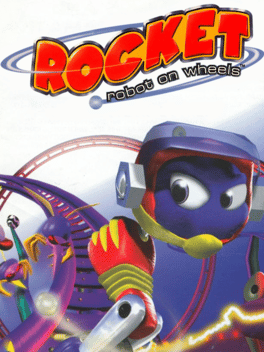
star 7.8First-time Nintendo 64 developer Sucker Punch Studios jumped onto the scene with a highly original 3D platformer. The design philosophy behind the title is simple -- rather than build the platformer around the main character, the software house opted instead to focus on the interactivity of the 3D environments he travels. To that end, Rocket employs an advanced physics engine which allows the main character, a lovable unicycle-based robot named Rocket, to travel and experiment with colorful, platform-esque worlds with realistic gravity and inertia. Every object has its own set of lifelike attributes that must be "weighed" into consideration when solving puzzles.BurgerTime
1985
BurgerTime
1985
star 4.9BurgerTime is an arcade game where you step into the shoes of chef Peter Pepper with the goal of assembling giant hamburgers. To complete each level, you must navigate a maze of ladders and platforms to drop them down layer by layer onto the plates below.Sonic Dream Team
2023
Sonic Dream Team
2023
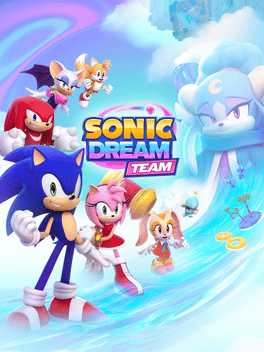
star 7In this all-new Sonic adventure, the evil Dr. Eggman has discovered The Reverie, an ancient device with the power to manifest dreams in the real world. Navigate twisted dreamscapes, rescue your friends, and put a stop to Dr. Eggman’s nightmarish dreams of world domination!Alien 3
1993
Yoshi's Island
2002
Animaniacs
1994
Animaniacs
1994
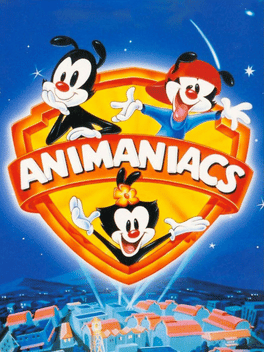
star 6.1Animaniacs is a platforming game that was released on May 14th, 1994, made for the Sega Genesis (Mega Drive in other countries), developed and published by Konami. It is a game based on the TV series of the same name, and is the first Animaniacs video game. In this game, the Warner trio (Yakko, Wakko and Dot) go the search of several movie props for a hip-pop culture shop.Exit Path 2
2011
Sonic 3D Blast
1996
Sonic 3D Blast
1996
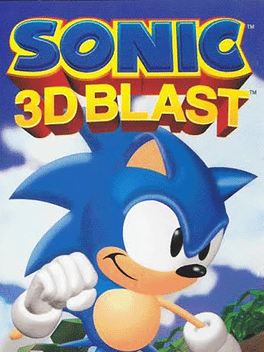
star 5.5The Saturn version of Sonic 3D Blast has enhanced visuals and a new style of bonus stages.Donkey Kong
1982
Donkey Kong
1982
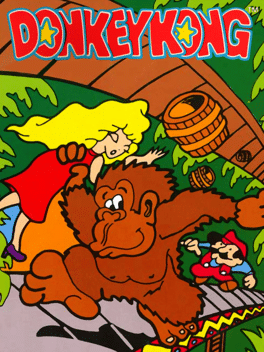
star 6.5This is the ColecoVision port of Donkey Kong. The main differences with the original arcade game are the absence of 50m, cutscenes and enemy placement.Donkey Kong Country
2000
Disney's TaleSpin
1991
Disney's TaleSpin
1991
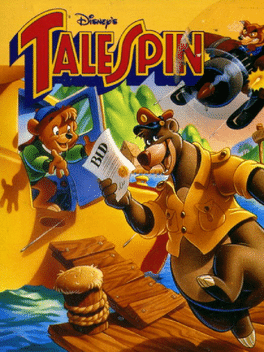
star 7.2TaleSpin is a game based on the television series of the same name, released for the Sega Genesis/Mega Drive in 1991 and 1992. There's also a Game Gear port which is identical to the Genesis version. The game was a one player and two player game. In single player mode you could choose between playing as Baloo or Kit, whereas in two player mode, the first player was Baloo and the second player was Kit. Each character had his own form of defense, Baloo had a paddle ball with very short range while Kit had a slingshot with very long range. It consisted of many stages with three different versions: Around the World: Strolling through each stage collecting ten or more boxes of cargo to unlock the main exit. Airport: The Boss stages where you face Don Karnage and his air pirate henchmen. Air Battle: You take to the air with Baloo attacking from the Sea Duck or Kit on his airfoil firing his catapult.Rayman Redemption
2020
Rayman Redemption
2020
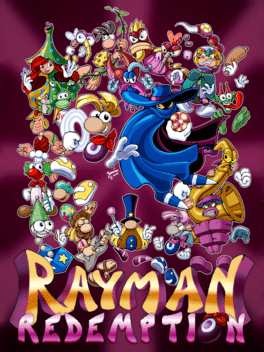
star 8Rayman Redemption is a reimagination of the original Rayman game from 1995. The features a lot of new content, including new worlds, levels, minigames and stuff to collect and complete.Bonkers
1994
Bonkers
1994
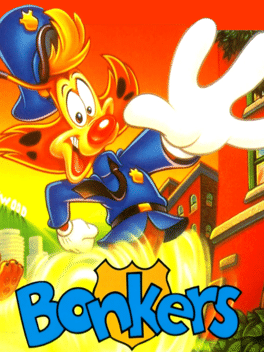
star 6.8Three of Toontown's most precious treasures, the Sorcerer's Hat (from Fantasia), the Mermaid's Voice (The Little Mermaid), and the Magic Lamp (Aladdin), are stolen. After a car accident Lucky Piquel is hospitalized and as such, Bonkers D. Bobcat has to resolve this case alone. After traveling trough places like Wackytoon Studios and the city of Hollywood and facing old enemies like The Collector and Pops Clock, Bonkers manages to recover all the treasures thus concluding the game.Disney's The Emperor's New Groove
2000
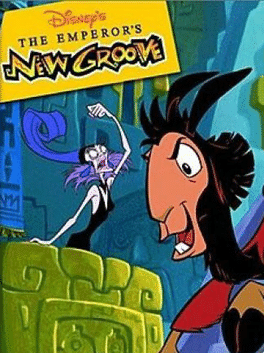
star 5The Emperor's New Groove is a video game based on the 2000 Disney film of the same name, developed by Sandbox Studios for the Game Boy Color.Ninja Kid
1986
Ninja Kid
1986
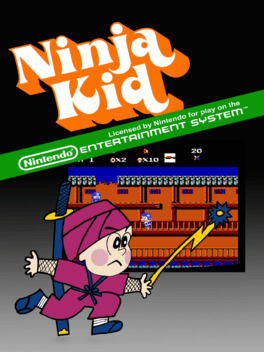
star 5.1Ninja Kid (regional port of GeGeGe no Kitaro: Yokai Daimakyou) is a NES platformer published by Bandai. As with Super Mario Bros 2, Ninja Kid went through some significant changes for its US release.The Fancy Pants Adventures: World 2
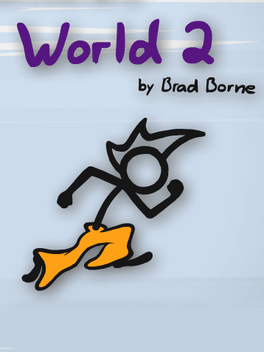
2008
star 8.1The second installment in Brad Borne's Fancy Pants Adventures seriesThe Pagemaster
1994
The Pagemaster
1994
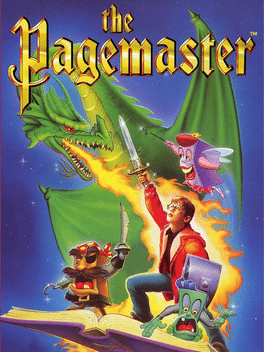
star 6.9The Pagemaster is an Action game, developed by Probe Entertainment Limited and published by Fox Interactive, which was released in 1994.