New Nintendo Ds Games - Page 80

Kidou Senshi Gundam 00
2008
Mobile Suit Gundam 00, is a 3D action video game for the Nintendo DS based on the anime, Mobile Suit Gundam 00. The game involves four main characters who control their mobile suits, performing interventions against various conflicts around the world. It was developed by BEC and produced by Namco Games.Yatterman DS: Bikkuri Dokkiri Daisakusen da Koron
2008
Yatterman DS: Bikkuridokkiri Daisakusen da Koron is an Action game, developed and published by Takara Tomy, which was released in Japan in 2008.Summon Night
2008
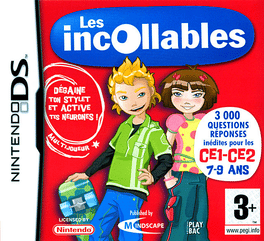
Les Incollables CE1-CE2
2008
Les Incollables CE1 - CE2 sur DS contains a range of questions and answers intended to test the capacities of the youngest. With 3000 questions and as many answers, the title offers 18 different and original game modes, such as treasure hunts, timed games, highest score and even a multiplayer mode.DS Yukemuri Suspense Series: Free Writer Tachibana Maki - "Touyako, Nanatsu no Yu, Okuyu no Sato" Shuzai Techou
2008
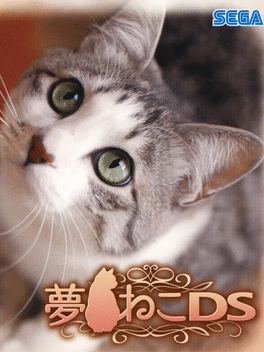
An adventure game for the Nintendo DS about a female journalist getting involved in solving a mystery while doing a report on hot springs.Yume Neko DS
2008
Montessori Music
2008
Montessori Music
2008
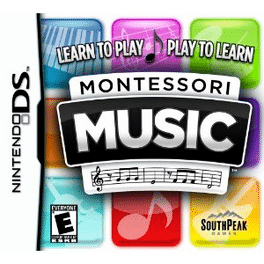
An educational music game that teaches players basics in music theory through lessons and mini games.Tantei Jinguji Saburo DS: Kienai Kokoro
2008
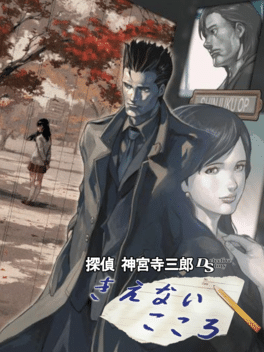
The 12th installment of the Tantei Jinguuji Saburo series. Jinguuji is asked to investigate the suicide of an elementary school girl from 20 years ago. When he meets the girl's principal he demands that Jinguji investigate of another new case. The title also contains five games from the mobile phone series (No.6–No.10).Oshare Princess DS: Oshare ni Koishite! 2
2008
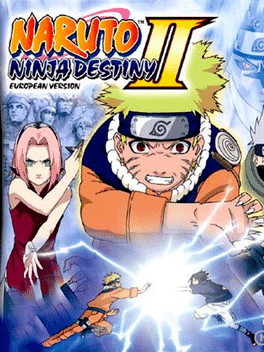
The second DS installment of the Oshare Princess series.Naruto: Ninja Destiny II - European Version
2008
A markedly different game from its Japan and U.S. counterparts, the European release has no elements from Shippuden; instead, it cobbles together non-Shippuden characters from throughout the Ninja Destiny series, including ones that would not show up until Shinobi Retsuden 3.Days of Memories 2
2008
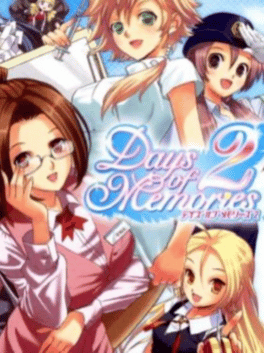
Days of Memories 2
2008
Days of Memories 2 is the second Nintendo DS compilation of SNK Playmore's mobile dating series games.