New Nintendo Gamecube Games - Page 9

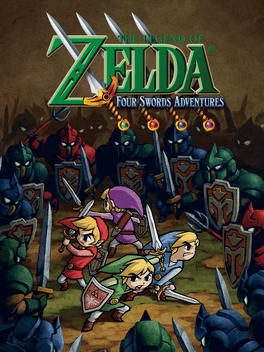
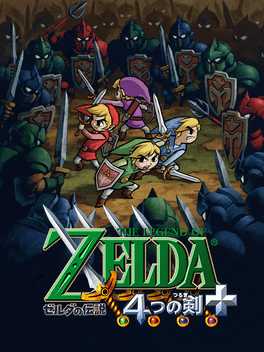
The Legend of Zelda: Four Swords Adventures
2004
star 7.7The Legend of Zelda: Four Swords Adventures is the only console Zelda title to date to incorporate multiplayer elements into its main campaign. Because of its single-player elements, Four Swords Adventures is also the first game in the series to allow a single player to control more than one Link at once, and it utilizes various methods to allow the player to make use of the four Links, such as formations. Also it is the only title to break locations and temples up into succinct, separate stages and levels which can be replayed even after beating them once. The game itself, though an innovation in Zelda gameplay, is heavily inspired by the music, graphics, and locations of A Link to the Past.Pikmin 2
2004
Pikmin 2
2004
star 8.6In Pikmin 2, Captain Olimar returns to the planet he was originally stranded on, to collect trinkets for his failing company to sell back at home. The game features a 2-character mechanic, which allows players to switch between two spacemen while collecting items. Two-player co-op challenge missions and a competitive mode are also available.Mario Golf: Toadstool Tour - Ella
2004
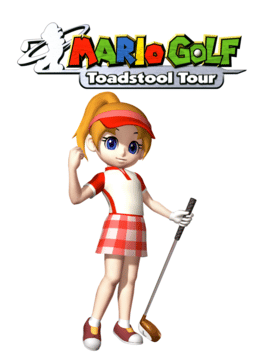
A playable character which can be unlocked in Mario Golf: Toadstool Tour by connecting to its Game Boy Advance counterpart.Mario Golf: Toadstool Tour - Neil
2004
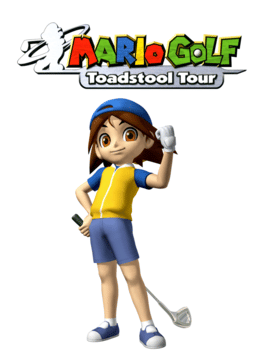
A playable character which can be unlocked in Mario Golf: Toadstool Tour by connecting to its Game Boy Advance counterpart.Pokémon Colosseum Bonus Disc
2004
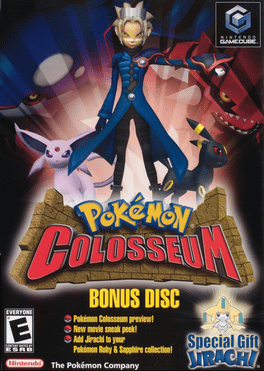
This disc contains a preview of Pokémon Colosseum, a sneak peek for movie Jirachi: Wish Maker, as well as a Jirachi Special Gift. To receive Jirachi, a Nintendo GameCube–Game Boy Advance cable, an English copy of either Pokémon Ruby or Pokémon Sapphire, and an empty spot in the party is required. With everything connected properly, Jirachi will appear and be transferred to Ruby or Sapphire.Zelda no Densetsu: 4-tsu no Tsurugi +
2004
Zelda no Densetsu: 4-tsu no Tsurugi + is the name of the Japanese (and Korean) version of The Legend of Zelda: Four Swords Adventures. This version has an additional game (or mode) called Navi Trackers, which wasn't released in the international version.Kidou Senshi Gundam: Senshi-tachi no Kiseki
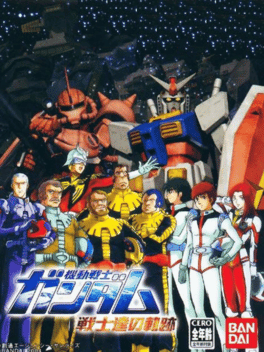
2004
star 3.8Mobile Suit Gundam: The Ace Pilot is an Action game, developed and published by Bandai, which was released in Japan in 2004.Metal Gear Solid: The Twin Snakes - Premium Package
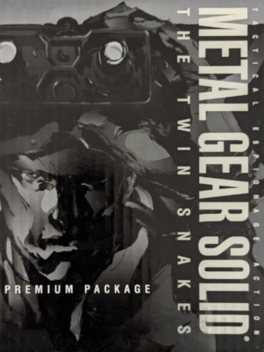
2004
A Japan-exclusive bundle which included The Twin Snakes; the original Famicom version of Metal Gear on GameCube disc; a platinum-colored GameCube with the FOXHOUND logo on the disc tray cover (replacing the "Nintendo GameCube" logo text); and a 44-page book titled "Memorandum" containing production notes, sketches and photos.Metal Gear Solid: The Twin Snakes
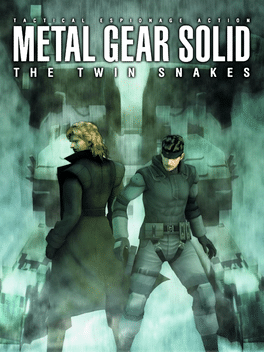
2004
star 8.2The Twin Snakes features graphical improvements over the original, new cutscenes written and directed by Ryuhei Kitamura, and gameplay functions originally introduced in Metal Gear Solid 2: Sons of Liberty. The game also includes a revised translation with re-recorded voice acting using all of the original English voice cast. Hideo Kojima and Shigeru Miyamoto oversaw development of the game. It was also intended to allow the player to play Metal Gear Solid as it was meant to be playedCustom Robo
2004
Custom Robo
2004
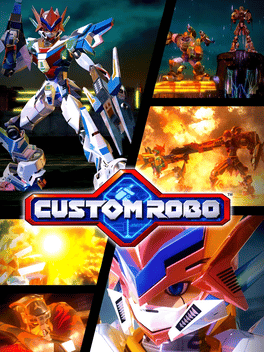
star 7You've been challenged to a fight, and the robots are waiting. Do you pick a Ray 01 body and equip it with a Wyvern gun and Burrow bomb P, or do you opt for a Javelin with Satellite pod and Feather legs? Custom Robo lets you and up to three friends customize robots with nearly 200 unique parts, then turns you loose in a virtual battlefield to prove who's the top robot commander.Amazing Island
2004
Amazing Island
2004
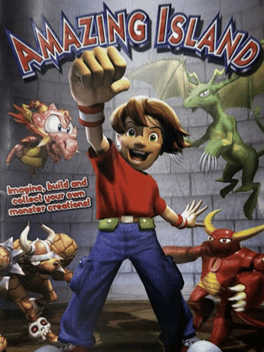
star 5.5The 'black evil' has taken over the island, and the Maboo Tribe have called upon you to bring order and outcast the evil that has taken control. To do so, you must create your own creature and train it up, entering it into various competitions against the 'black evil' and working towards the main goal. As the competitions are completed, you will unlock new features to improve your own creature in speed, strength and general looks. The main reason to do so are the mini games which the monsters can participate in. While those rely on your active gamepad skills (mostly pressing a button as fast as possible with minor variations), the changes of success are dictated by the monster's statistics. So for example a dragon would be beneficial for a flying mini game. Those statistics can be further enhanced with items bought at shops. Play single and multiplayer battles on the GameCube, or upload your creatures to the Game Boy Advance, taking them on the road to challenge your friends and unlocking unique items and featureDuel Masters: Netto! Battle Arena
2003
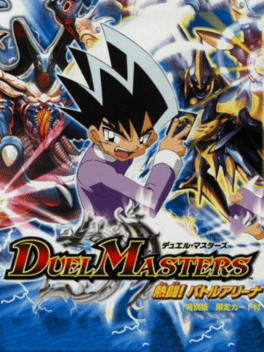
Duel Masters: Nettou! Battle Arena is the first game of the Duel Masters Console Games series. The game follows the same story plot as Season 1 of the Duel Masters anime. The number of cards in your hand, deck and graveyard are always visible. The game displays cinematics for creatures and spells as well as various CG effects during Gameplay. The gameplay speed can be increased, resulting in fast-paced games. Cards with a Super Rare rarity are given a slight foil effect. Your hand isn't always visible and must be viewed from the bar on the top portion of the screen.Donkey Konga
2003
Donkey Konga
2003
star 6.5Donkey Konga is a GameCube rhythm video game starring the ape Donkey Kong, developed by Namco and published by Nintendo. Instead of the standard GameCube controllers, the game is intended to be played with a special controller called the DK Bongos that resemble two small bongo drums. Donkey Konga was developed by the same team of people who made the Taiko: Drum Master series for the PlayStation 2. The tracks include hits such as "Louie Louie", "We Will Rock You", "Shining Star", "Rock Lobster" and "Losing My Religion". There are tracks from the Mario series, the The Legend of Zelda series and other Nintendo related music. All regional variants of the game have differing track listings, and in the North American version of both games, almost all of the licensed non-Nintendo/traditional songs are shortened covers.Baten Kaitos: Eternal Wings and the Lost Ocean
2003
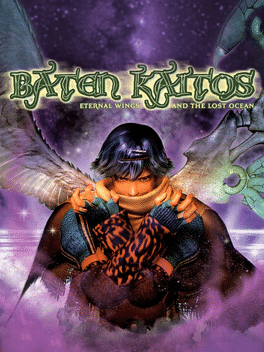
star 8.3An original roleplaying game for Nintendo GameCube from the team behind Xenosaga. The game makes heavy use of cards for everything from fighting battles to purchasing items. Cards are actually a central part of the story as well, as they are holders for "Magnus" which is short for "Magna Essence." Magnus is the true nature of all things throughout the world, including swords, magic spells and even apples that are gathered in the town in which your adventures start out. A real item can be turned into Magnus form and stored in a blank card. It can then be taken out from the card and will turn back into real form. Features detailed CG cutscenes to tell the story and turn-based battle sequences.Naruto: Clash of Ninja 2
2003
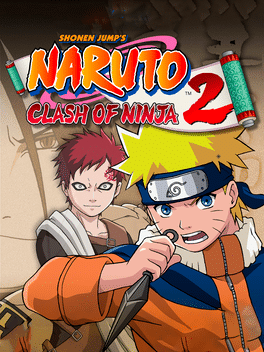
star 6.2Naruto: Clash of Ninja 2 offers several different game modes such as Arcade mode, VS mode, and Story mode. You can unlock new features such as new characters, stages, and modes by accomplishing certain tasks in the game.Disney's Hide and Sneak
2003
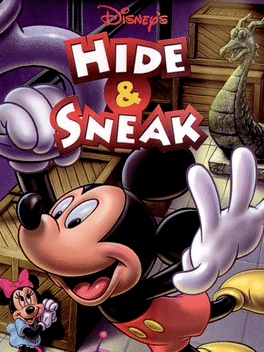
star 3.6Either Mickey or Minnie will get kidnapped by a strange flying alien mushroom - depending on who the players chooses to control. Now the other character has to undertake a rescue mission. Gameplay includes climbing, solving puzzles, jumping, evading and hiding from enemies. Enemies can be taken out when sneaking close enough to enemies. As you make progress you traverse three game areas. These are a warehouse, museum and ruins.Pac-Man vs. & Pac-Man World 2
2003
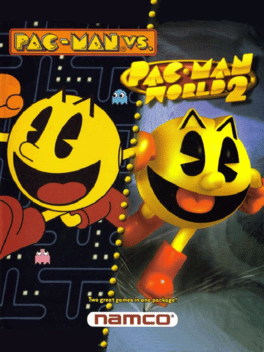
Pac-Man vs & Pac-Man World 2 is a bundle release containing both the video games Pac-Man vs and Pac-Man World 2.Pokémon Channel
2003
Medabots Infinity
2003
Medabots Infinity
2003
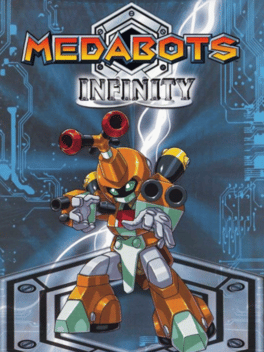
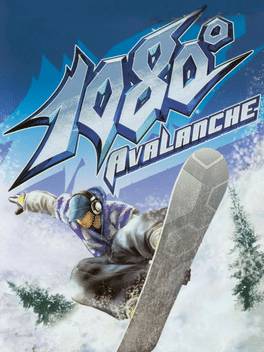
star 5Medabots Infinity is a role-playing video game published in 2003 by Natsume, and developed by Victor Interactive. The game is based on the Medabots series. Hooking up to the Metabee and Rokusho Game Boy Advance games allows for secret unlockable medabots: Arcbeetle (Metabee) and Mega-Emperor (Rokusho). Several characters from the anime make appearances1080° Avalanche
2003
1080° Avalanche
2003
star 6.71080° Avalanche is a sequel to 1080° Snowboarding for the Nintendo 64. The game has an emphasis on racing, rather than doing tricks, in contrast to other popular snowboarding games.