New Game Boy Color Games - Page 35

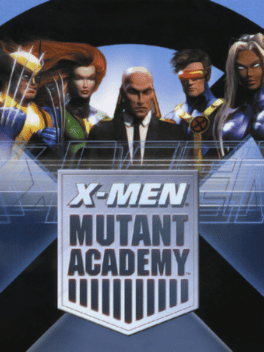
X-Men: Mutant Academy
2000
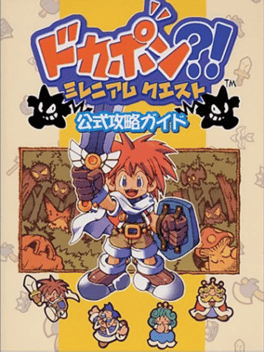
The Game Boy Color port of X-Men: Mutant Academy. Similar to its PlayStation counterpart, X-Men: Mutant Academy on the Game Boy Color is a fighting game showcasing Marvel's well-known mutants. Recognising the inherent hardware limitations, the stages in this version have been crafted in 2D, and there are notable differences in gameplay. The character roster features four X-Men (Cyclops, Wolverine, Storm, and Gambit) and five villainous Mutants (Magneto, Toad, Mystique, Sabretooth, and Pyro). Additionally, there are two secret characters, and their unlocking codes are disclosed upon completing the game's story mode. Beyond the story mode, where a single character faces off against others in consecutive battles, there are various modes such as training, battle (with teams of three characters), survival (one character taking on all others with only a single bar of health), and a versus mode using the Game Link cable. The Game Boy's two buttons handle kicks and punches (or basic mutant abilities like Cyclops' eye bDokapon?! Millennium Quest
2000
Dokapon?! Millennium Quest is a Japanese RPG game for the Game Boy Color.Trick Boarder
2000
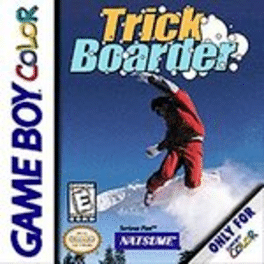
Trick Boarder
2000
Send yourself speeding down a hill to claim first place in TRICK BOARDER. Choose from eight snowboarders, each with different attributes. Learn how to navigate all nine tracks and set speed records in the Time Trial mode. When you want to compete, try to claim the championship in the Grand Prix mode, where you earn points by finishing well on all nine tracks. If you have friends that are into snowboarding, you can challenge them to a race via the link cable. No matter what mode you play, you must keep an eye out for obstacles, or you will lose precious speed and time. Luckily, you can pick up icons that will give you turbo boosts, and you can perform tricks or go through slalom gates that will award additional speed boosts as well. Work your way through the ranks to become a snowboarding champion in TRICK BOARDER.Yu-Gi-Oh! Dark Duel Stories
2000
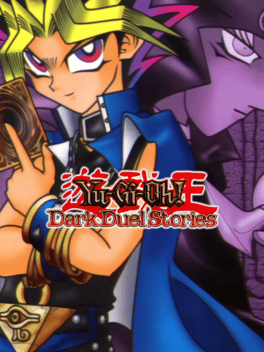
star 5.1Yu-Gi-Oh! Dark Duel Stories, released in Japan as Yu-Gi-Oh! Duel Monsters III: Tri-Holy God Advent, is a Game Boy Color video game and the third title in the Yu-Gi-Oh! Duel Monsters series of games. It was released in Japan on July 13, 2000, and it was the first Yu-Gi-Oh! video game to be released outside of Japan, with a United States release date of March 19, 2002. Players of the game can trade and battle with other players using a link cable.Toonsylvania
2000
Toonsylvania
2000
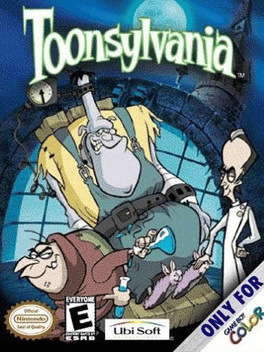
Having grown tired of being a mad scientist's assistant, Igor creates four inventions: the diving suit, the helmet lamp, the propeller helmet, and the fireproof helmet. Wanting to test them, he has Phil (a gentle Frankenstein-type monster) put them all on. Unfortunately, the combination of all four inventions causes Phil to explode. You must guide Igor through 15 levels as he searches for all of Phil's parts, as well as all four of his inventions to complete the quest. However, getting through the levels is no walk in the park, as enemies lurk behind every corner. Fortunately, there are plenty of weapons to collect and throw at them. Will Igor be able to restore Phil before the mad scientist comes home? Find the answer by playing TOONSYLVANIA for the Game Boy ColorOjarumaru: Mitsunegai Jinja no Ennichi de Ojaru!
2000
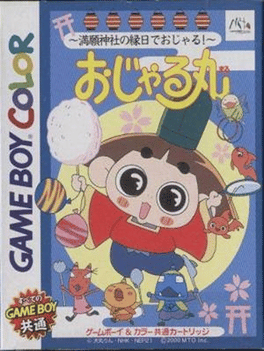
Turn the fun of the festival into a mini game. If you get a high score in a mini game, you will get a Menko card. Collected Enco Cards can be used to play against friends or exchange Menco. The modes are "Kin-chan's goldfish scooping", "Mike's relaxing quoits", "Sachiyo Usui's yo-yo fishing", "Tommy grandpa's shooting", "Ken's octopus grilling", "Haunted mansion captain's haunted mansion", "Poverty god and twin dog mini" "Golf", "Cold Sai and Ko-chan's fortune-telling", and "Menko card game" are available. Fortune-telling can be printed out with a pocket printer.Kanji Boy 2
2000
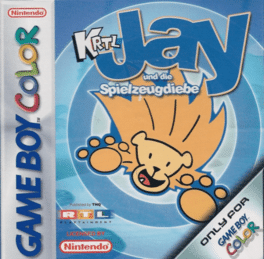
KRTL: Jay Und Die Spielzeugdiebe
2000
KRTL: Jay und die Spielzeugdiebe is an Action game, developed by Eclipse Entertainment and published by THQ, which was released in Europe in 2000.Ide Yosuke no Mahjong Kyoushitsu GB
2000
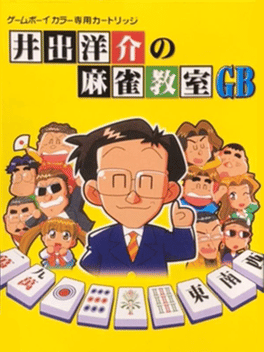
Ide Yosuke no Mahjong Kyoushitsu GB is a Japanese Mahjong game for the Game Boy Color.Chase H.Q.: Secret Police
2000
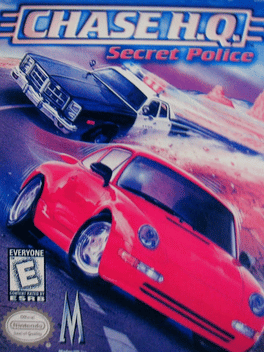
The chase is on in CHASE HQ: Secret Police for the Game Boy Color. Loosely adapted from the arcade game of the same name, CHASE HQ is a unique mix of racing and action for one or two players. In the One-Player mode, you'll lead a handpicked team of undercover cops, each with unique talents. You'll be shown what kind of vehicle the suspect is driving, and then you'll hit the streets to find him. When you finally locate the perp, you'll switch to a behind-the-vehicle view as you try to shoot or bump the criminal off the road. Once you've managed to lower their life-bar far enough, they'll pull over and you'll make the arrest. There are 10 levels of single-player action, so you'll be plenty busy as you try to collar the criminals. You can also grab a friend to play Head-to-Head using a link cable, with one person playing the cop and the other playing the bad guy.Mr. Driller
2000
Mr. Driller
2000
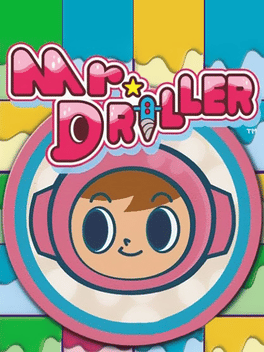
A port of Mr. Driller for the Game Boy Color, Mr. Driller is an arcade puzzle game developed by Namco and first released in 1999. Players control a driller who descends through layers of colored blocks, clearing paths while managing a limited air supply. Blocks disappear when four or more of the same color are connected, creating strategic challenges as the screen scrolls upward. The game emphasizes quick decision-making and careful planning under time pressure. It became known for its simple mechanics, increasing difficulty, and bright visual style.Crystalis
2000
Power Rangers: Lightspeed Rescue
2000
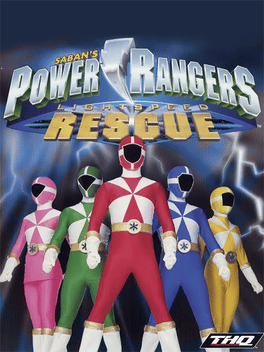
Power Rangers Lightspeed Rescue is a video game based on the series of the same name which was released for the Game Boy Color. The Game Boy Color version is a side-scrolling platformer. It features all five Rangers as playable characters and uses a password save system.Roland Garros French Open
2000
Roland Garros French Open is the only appearance of the franchise on the Game Boy Color. Less of a serious simulation of tennis than other versions, the handheld edition features cartoony 2D graphics and outrageous court locations. All-in-all, the game includes eight different players and twelve different tournaments. Only five players and four tournaments can be selected from the start, the others are unlocked by winning events. The starting tournaments are realistic grand slam events: the Roland Garros French Open (the only one with a license), the English Open (i.e. Wimbledon), the US Championship and the Australian Cup, on clay, grass or turf. Winning them unlocks the more unusual locations: from street and beach tournaments to far-out events in the Antarctic or on the moon. All events are single elimination, starting at the quarter finals. Matches follow original rules, and are seen from a standard perspective behind the controlled player. All characters (players, officials and fans) are drawn in a cartoonyAlfred's Adventure
2000
Alfred's Adventure
2000
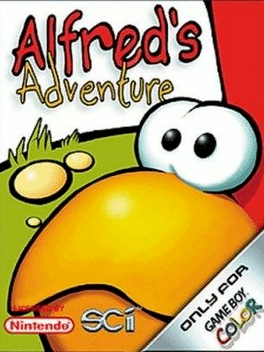
Alfred's Adventure is an Action game, developed by Mobius Entertainment and published by SCi, which was released in Europe in 2000.Hunter X Hunter: Hunter no Keifu
2000
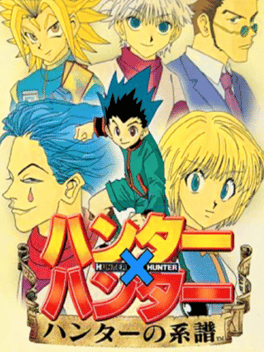
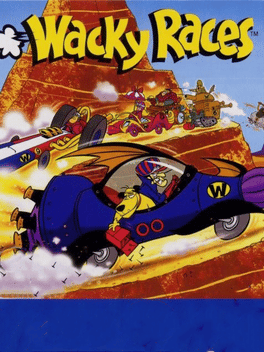
Hunter X Hunter: Hunter no Keifu is a Japanese strategy game for the Game Boy Color.Wacky Races
2000
Wacky Races
2000
Game Boy Color Wacky Races game, released to coincide with the release of the Wacky Races game for home consoles and the PC.