New Sega Mega Drive Genesis Games - Page 43

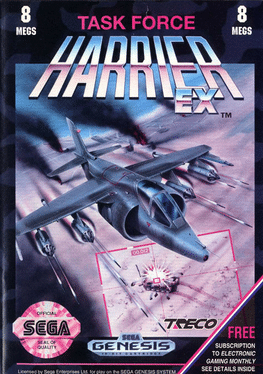
Task Force Harrier EX
1991
Task Force Harrier EX is a vetically-scrolling shooter based on the 1989 arcade title Task Force Harrier from UPL. The player controls the titular Harrier V fighter plane, which fires both air and ground volleys -- necessary to hit the targets that approach from both the air and the ground. The player can collect various powerups to increase their firepower, including smart bombs, weapon upgrades, and most notably a pair of invulnerable satellites which can change formation at command. There are three difficulty settings and a total of twelve stages to blast through.Quad Challenge
1991
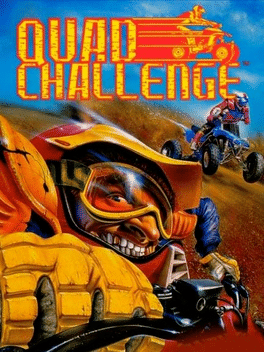
Quad Challenge
1991
Saddled on a high-performance all-terrain vehicle, you hear the roar of racing engines and scan the brutal dirt track ahead. The unforgiving clock counts down; THREE... strap helmet, TWO... rev it up, ONE... explode from the gate! Slam into high, and torque up to brain-warping speed! During tight cornering, cut hard, shift low, and fan the brakes. You'll feel huge racing tires claw for traction. Control four-wheel drift or you'll spin out. On straightways, you'll hit rises and go airborne. Throttle down to soften your landing. Challenge a computer-controlled rival, or compete head-to-head against your buddy. Choose from 9 twisting race tracks on practice mode. Choose from 4 vehicles, each with unique horsepower, handling, and acceleration features. Play the Circuit Championship, a 16 track password race to glory!M-1 Abrams Battle Tank
1991
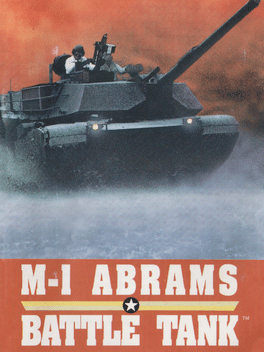
Take the most powerful NATO tank, the M-1 Abrams, in 8 difficult missions against the Warsaw Pact forces. The four tank stations and the other aspects of the tank are quite nicely simulated, with different types of cannon rounds, coax machine guns, and all that. There's also the independent turret and track rotation commands.Pyramid Magic III
1991
Pyramid Magic III
1991
Pyramid Magic III (ピラミッドマジックIII) is a puzzle-platform game for the Sega Mega Drive, released exclusively in Japan via the Sega Game Toshokan service. Pyramid Magic III is a "sequel" to Pyramid Magic II, and like Pyramid Magic II offers little more in terms of upgrades other than harder levels.MegaMind
1991
MegaMind
1991
MegaMind (メガマインド) is a game for the Sega Mega Drive, released exclusively in Japan via the Sega Game Toshokan service. The game consists to guess what is the right following.Hyper Marbles
1991
Hyper Marbles
1991
Hyper Marbles is an action game for the Sega Mega Drive, released exclusively in Japan via the Sega Game Toshokan service. The object of Hyper Marbles is to knock all of your opponents into the electrical fences at the sides of the stage, while making sure you aren't knocked in yourself. A, B and C boosts.Medal City
1991
Medal City
1991
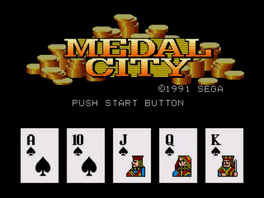
Medal City is a card game for the Sega Mega Drive, released exclusively in Japan in 1991 via the Sega Game Toshokan service. You choose between three gambling games; Poker, Blackjack, and Slots. The goal of each game (besides poker) is to earn over 100,000 medals. You will then see the game's ending (except poker, as the game never ends).Elemental Master
1991
Elemental Master
1991
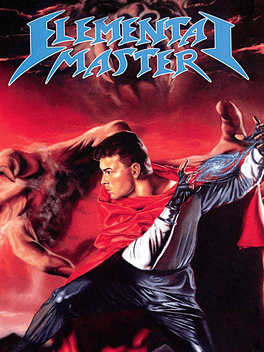
star 6Gyra has usurped the throne, and his minions are pillaging and plundering throughout the countryside. The kingdom is doomed unless someone can stop this madness and restore order to the land. You are the ELEMENTAL MASTER, and you're the only person with the power to put an end to Gyra's reign of terror. Harnessing the power of the elements fire, water, wind, and the earth you use them as your very own weapons to fight all that is evil in the world. You'll be up against Gyra's most ruthless henchmen as you battle through eight levels of intense action. But you've got the power of magic on your side, and if you can master the five spells at your disposal, you'll be a nearly unstoppable force. Of course, when you're single-handedly taking on an entire army, the odds are stacked against you. But with the power of the elements, you're the only one who can stop Gyra and his army.Cutie Suzuki no Ringside Angel
1991
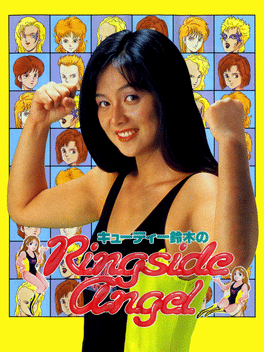
Cutie Suzuki no Ringside Angel (キューティー鈴木の リングサイドエンジェル) or Cuty Suzuki no Ringside Angel is a wrestling game developed by Copya System and published exclusively in Japan in 1990 by Asmik. In the game, you play as one of nine female Japanese pro wrestlers fighting to the top of the league. There are four modes: one-player tournament, two-player tournament, two-player match, or watch the computers play with the characters/field of your choice. There are five fields (New Face, Straw Berry, White Snow, Star Light, and Grand Champion). Each field is one half of a normal wrestling ring that the competitors can move around a la Golden Axe16t
1991
Bulls vs Lakers and the NBA Playoffs
1991
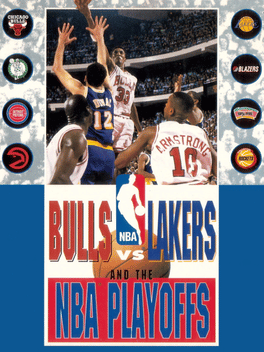
Bulls vs Lakers and the NBA Playoffs is a basketball video game developed by Electronic Arts and released in 1992 exclusively for the Sega Mega Drive. The game is the sequel to Lakers versus Celtics. The game's name refers to the previous season's NBA championship series, the 1991 NBA Finals matchup between the Chicago Bulls and Los Angeles Lakers. It is the second game in the NBA Playoffs series of games. Although there is no SNES version for Bulls vs Lakers, the SNES (and first) version of Bulls vs. Blazers was heavily based on Bulls vs Lakers, with the later Mega Drive version introducing a few changes from this. Bulls vs Lakers introduced a television broadcast-style presentation with a fictional television network, "EASN", the Electronic Arts Sports Network. It was the first team basketball game to feature an in-game instant replay feature. Bing Gordon, the Chief Creative Officer of Electronic Arts, was featured as the game announcer. This was also the first game to depict NBA team logos on the courts. GameWarrior of Rome
1991
Warrior of Rome
1991
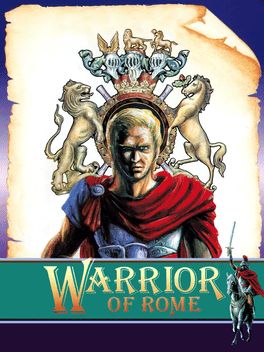
Warrior of Rome is a strategy game set during the Ancient Roman era. It is shown from a top-down perspective and all units are represented by icons on the square fields of the playing map. The basic gameplay is simple: on each of the four levels there are goals to fulfill, e.g. destroying pirate ships. To do so, the player chooses a unit and gives it the order to move somewhere. When hostile units meet, they fight automatically; the fights are shown in separate windows.Klax
1990
Sega Soccer
1990
Sega Soccer
1990
Sega Soccer is a port of World Cup Italia '90, released inside compilations in Europe. This version of the game removed the license from FIFA and mentions any mentions of Virgin Mastertronic (the previous publisher).Final Zone
1990
Final Zone
1990
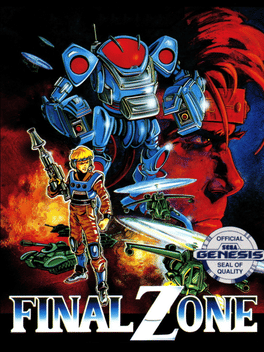
It is 100 years into the future. Nuclear weapons, missiles and other weapons of mass destruction are banned, but a new piece of military hardware is about to shape the future. The N.A.P. (New Age Power-Suit), is the newest weapon, a mechanical tank, able to destroy anything in its path. You play as a soldier of the El Shiria Military's "Undead" unit named Howie Bowie (no joke) as you are about to go on a urgent mission to destroy your enemies, The Bloody Axis, before they can strike at your nation.Clan of Heroes: Generals of the Yang Family
1990
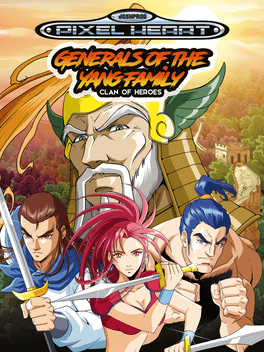
Clan of Warriors - Generals of the Yang Family is a beat'em up that is based off the story several old Chinese stories and Folklore Songs. Choose between 4 playable warriors to defend your country from foreign military invaders. This title was originally released exclusively in China. Piko Interactive acquired the full rights of the game to localize it to English speaking players. The game has been completely re-hauled fixing many of the original bugs and play ability problems. There is a lot of polishing done to the fighting and collision engine. Over all the game was worked up to be finally enjoyable from beginning to end.Pat Riley Basketball
1990
Pat Riley Basketball
1990
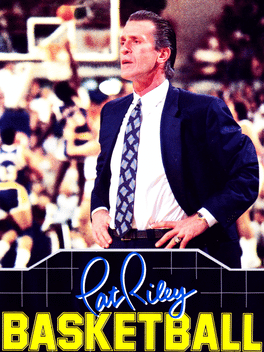
Pat Riley Basketball is a video game which was released for the Sega Genesis/Mega Drive. Pat Riley was the coach of the Los Angeles Lakers at the time of the game's release. There are two modes and eight different teams to choose from.Shadow Blasters
1990
Shadow Blasters
1990
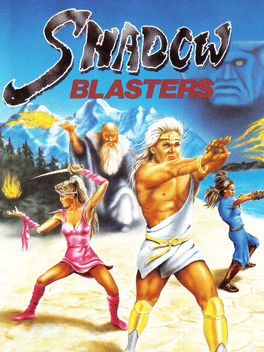
The evil god Ashura has unleashed hordes of monsters and demons onto Earth, hoping to take control of the planet as well as the hearts of men. The powerful god Hyprion has recruited four of Earth's most powerful warriors and assembled them into a team to fight the encroaching darkness. The player assumes control of this group of warriors in order to defeat the armies and their god, Ashura.Heavy Unit: Mega Drive Special
1990
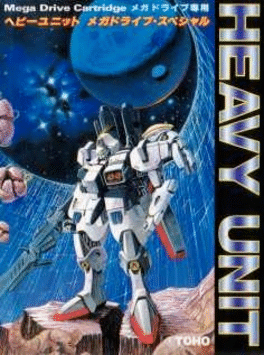
Heavy Unit: Mega Drive Special (ヘビーユニット メガドライブスペシャル) is a 1990 Sega Mega Drive shoot-'em-up developed by Kaneko and published by Toho exclusively in Japan. It is a port of Kaneko's 1988 arcade shoot-'em-up Heavy Unit. Humans have developed an artificial planet, "Le Tau," which is being attacked by aliens, and only the Heavy Unit transforming ship can stop them. A and C shoot; rapidfire is an option. B drops a bomb, which you have an unlimited supply of but must collect as a powerup. Among the various powerups is one, labeled T, that transforms your ship into a mecha and back, which plays identically, except its bombs will home in on enemies.Bimini Run
1990
Bimini Run
1990
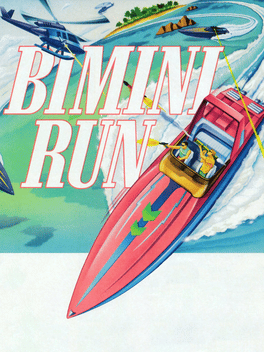
You are Kenji Ohara, a motor boat expert. The evil Dr. Orca has kidnapped your sister Kim. Together with your best friend Luka you must find his hideout on a deserted island, and rescue your sister from his clutches. But that won't be easy, as Dr. Orca has sent his henchmen to stop you! This is a sailing action game. You navigate your motor boat from a third person perspective view, increasing and decreasing your speed, avoiding yachts and other obstacles, and shooting down the enemies who are trying to stop you.