Most Popular Sega Saturn Games - Page 12

Magic Knight Rayearth
1995
The balance in the magical world of Cefiro is supported by the prayers of the lovely princess Emerald. When the evil Sage Master imprisoned her, the existence of the entire world was endangered. Using her spiritual powers, the princess contacted three Japanese high-school girls, Hikaru, Umi, and Fuu, turned them into Magic Knights, and summoned them to Cefiro, where their goal is to save her and to restore the balance. This adaptation of the eponymous manga and anime series is an action game with light role-playing elements, somewhat similar in style to Zelda games. The protagonists are all the three girls, but the player can controls only one of them at a time. Each one has advantages and disadvantages, as well as different fighting styles: Hikaru uses swords, Umi a rapier, and Fuu a bow. The player advances through the game by exploring the world, talking to non-playable characters, and fighting enemies in real-time combat. There is no experience system; new abilities (among them swimming and jumping) are gainedThunder Force: Gold Pack 1
1996
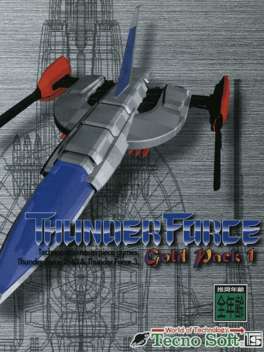
The first of two Saturn compilations for the Thunder Force series. It includes the Sega Mega Drive/Genesis versions of Thunder Force II and Thunder Force III along with an animated opening video.Nightruth: "Maria"
1996
Nightruth: "Maria"
1996
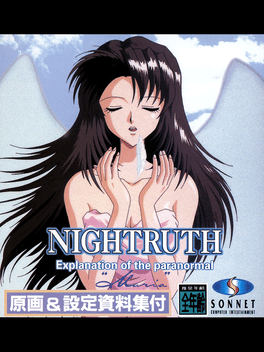
NIGHTRUTH: Explanation of the paranormal - "Maria" is a Sega Saturn visual novel developed by Sonnet Computer Entertainment and published by Varie. Released exclusively in Japan in December 1996, the game explores famous paranormal topics such as the Mary Celeste, and stars the titular protagonist from the earlier NIGHTRUTH: Explanation of the paranormal - #01 "Yami no Tobira", Maria. It was followed by a 1997 sequel NIGHTRUTH: Explanation of the paranormal - "Futatsu Dake no Shinjitsu".Nightruth: Futatsu Dake no Shinjitsu
1997
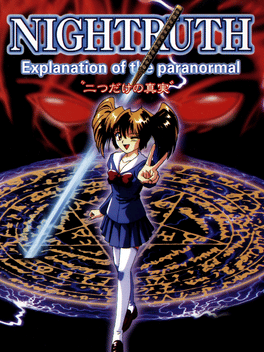
"Futatsu Dake no Shinjitsu" ("The Only Two Truths") is the third and final game in the Nightruth series, this time starring the youngest of Shinya's classmates, Ai Himekawa. The story focuses on her previously unexplained powers of precognition and telekinesis. Gameplay is again similar to the visual novel-style adventure presentation of the previous entries, featuring voiced and illustrated story sequences which occasionally branch via player choice into multiple endings. However, rather than featuring stories about famous supernatural phenomena, the focus this time is strictly on the main characters and their own personal stories.Hansha de Spark!
1997
Hansha de Spark!
1997
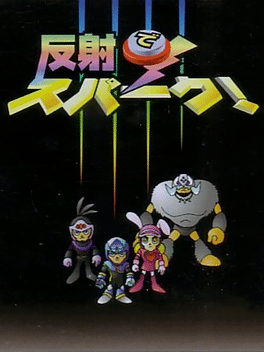
Hansha de Spark! is a 2D top-down arcade game, similar in style to Bomberman, but instead of using bombs, players can shoot energy balls that receive power by bouncing off the special walls. They can collect bonuses to gain advantage. Game features both single-player mode where the player fights against zombie-like regular enemies and bosses, and a multi-player mode where you fights against other players or bots.Pro Mahjong Kiwame-S
1996
Virtua Fighter CG Portrait Series Vol. 5: Wolf Hawkfield
1995
Virtua Fighter CG Portrait Series Vol. 5 Wolf Hawkfield is a digital museum of Virtua Fighter 2 artwork for the Sega Saturn.Virtua Fighter CG Portrait Series Vol.6: Lau Chan
1995
Virtua Fighter CG Portrait Series Vol. 6 Lau Chan is a digital museum of Virtua Fighter 2 artwork for the Sega Saturn.Virtua Fighter CG Portrait Series Vol. 9: Kage Maru
1996
Virtua Fighter CG Portrait Series Vol. 9 Kage Maru is a digital museum of Virtua Fighter 2 artwork for the Sega Saturn.