New Pc Microsoft Windows Games - Page 4800

Euclidean
2015
Euclidean
2015
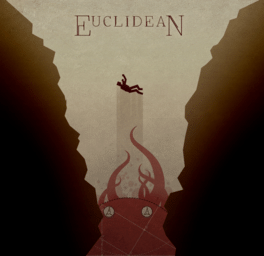
star 6Behind our comfortable, familiar dimensions, beyond the timeless depths of space, there is a Place that mankind was not meant to know. A Place hostile to all life. We do not belong there. We cannot survive there. At least, not for long… Euclidean; a game of geometric horror; a slow descent into the dark, into madness, futility, and despair, where Things greater than you watch and wait and dream. Struggle for every second of life you have left… Even knowing you’re better off dead.Crap! No One Loves Me
2015
Surf through the afterlife in a rocket-propelled coffin in this game from Arcane Kids.Jagged Alliance Online: Reloaded
2015
star 5YOUR MISSION: Survive and build the toughest frigging merc outfit in the world! Create and train your team of classic mercs, grab your gear and evolve your headquarter to beat the enemy. JAO: Reloaded is a re-release of the turn-based strategy Single- and Multiplayer Online game at an unbeatable price!Aftermath
2015
Aftermath
2015
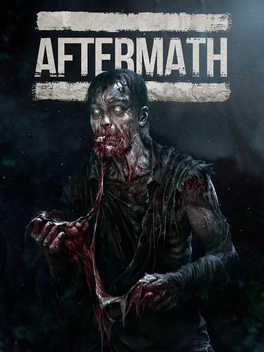
star 5Play with your friends in a Zombie Infested World as you face the remnants of zombie hordes & rebuild society in a truly massive sandbox world. Choose how you want to play with hundreds of items, skins, weapons, character customizations, base building, crafting, zombies & more!Burstfire
2015
Burstfire
2015
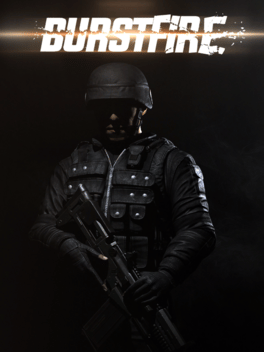
star 4Burstfire is a tactical, competitive, first-person shooter that is a fusion of old-school tactical combat with modern design sensibilities that allow for a slower combat pace while maintaining a high level of excitement and fun! Play as the attacking "SWAT" team to breach through enemy "MERC" defenses using tools such as the "Breaching Charge" or the "Hacking Device" to carefully, and precisely capture your objective, the enemy "INTEL COM". Play as the defending "MERC" team, setting up defensible positions around the "INTEL COM", your primary defense objective, using tools such as the Wooden Barricades and Wall Reinforcements.Champions of Chaos 2
2015
Champions of Chaos 2
2015
Champions of Chaos 2 is an arena turn-based RPG where the player can combine up to 10 different classes in a two man party to fight waves of enemies and gain reputation and allies.Haywire on Fuel Station Zeta
2015
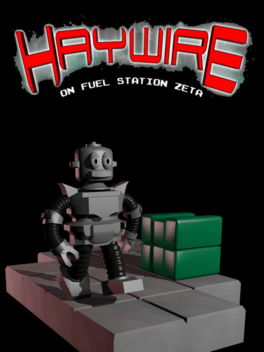
Something has gone horribly wrong on fuel station Zeta. All of the robots have gone haywire. It is up to you, a lone maintenance bot, to help a friendly space traveler fuel up his ship and get home. Explore your way through a dangerous labyrinth of traps and hostile robots. Solve puzzles and uncover the story behind the events that caused the station's demise.Abandoned: Chestnut Lodge Asylum
2015
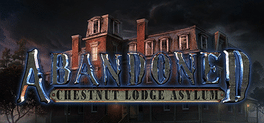
star 7These days the Chestnut Lodge Asylum is abandoned and forgotten, but many years ago a terrible tragedy unfolded behind those rusty gates. Every year, patients disappeared from the asylum without a trace. Neither the nurses nor the police could find any clues. But one day, everything changed. My dreams draw me to the asylum and I yearn to return to my normal life - a life without nightmares, premonitions, and fears.... Explore the Asylum and its surroundings, find out the true story of this place and face your fears in this gripping Hidden Object Puzzle Adventure!Romero's Aftermath
2015
Romero's Aftermath
2015
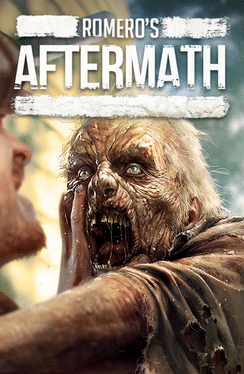
Survive against the odds in a giant sandbox MMO world featuring lush forests, dry desert plains, peaceful meadows and the eerie zombies that inhabit the world. Scavenge for guns, supplies, survival items and crafting materials in various zones including cities, farms, military bases, abandoned outposts, forgotten rest stops and hundreds of small encampments left behind by survivors before you. Build and protect your shelter, harvest crops, learn crafting blueprints and store your items on our server in your Global Inventory or hide them in a stash box in the world. Be a civilian, a trader, a protector of peace, a ruthless bandit or combination of them all. Customize your character with hundreds of visual cosmetic items including Headwear, Facewear, Shirts, Jackets and Pants. Swap your cosmetic items at any time on the fly, unlock weapon skins and show everyone in a safezone that you know where to find the rare items.The Chalice of Souls
2015
The Chalice of Souls
2015
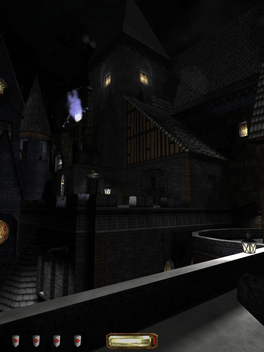
I found some interesting info while raiding Monsegur's palace in Stonemarket. His ledger seemed to indicate the location of a very curious trinket stashed somewhere in a place called the Dark Hollow, itself located in Fidgewick's Hollow, a subdistrict of Downtowne. From what I've managed to gather by pushing my network of associates, the Dark Hollow is apparently some sort of very high-class brothel, and its exact location is very well hidden. Even Cutty doesn't know where it is exactly, and the man knows every place in The City. Looks like I'll have to do my own scouting. I'm pretty certain I'll find eager pockets ripe for picking inside the brothel, and if I can't manage that, there is always the neighborhood. The streets are cold and snow has fallen quite hard these past few days, so I don't think I'll find many people outside, though the local watchdogs are on the prowl for these Downwinder amateurs. I doubt they'd appreciate a sneak such as me wandering the streets and the cold rooftops, so I have to find thaMicrosoft Flight Simulator X: Steam Edition - FS Academy: Pushing the Envelope
2015
Pushing The Envelope is a set of five challenging missions for Microsoft Flight Simulator X: Steam Edition. Each will push your abilities to the limit, with a wide variety of aircraft and locations across the globe.You will need considerable skill to complete these flight tests, ranging from a tail scrape test in the 747 to a high altitude demonstration in the F/A-18.Microsoft Flight Simulator X: Steam Edition - Kilimanjaro Airport (HTKJ)
2015
Kilimanjaro Airport for Microsoft Flight Simulator X: Steam Edition covers the airport and the immediate surroundings, and also includes detailed models of Mount Kilimanjaro and Mount Meru, which dominate the area. These majestic landmarks provide an exotic and adventurous backdrop for a variety of aviation experiences, from commercial flights to bush piloting.Game Type
2015
Game Type
2015
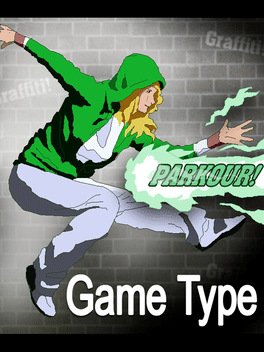
star 7Help Hoodie Girl fight the evil MediaBall's inane advertisements! It's a looping shooter in which each loop increases the speed and difficulty!XenoBloom
2015
XenoBloom
2015
star 5A calm creative experience. A sandbox growing game where you shape the evolution of an alien ecosystem. Study the environment and discover what drives it, or just sit back, relax, and see what happens!Kanji Training Game
2015
Kanji Training Game
2015
star 5Kanji Training Game is a game that helps you learn the Japanese writing system in the form of a game. Memorize 1006 symbols of Kanji, Katakana and Hiragana, and level up as you advance through the increasingly complex alphabet and words of the Japanese language.Rescue Team 3
2015
Rescue Team 3
2015
star 7Save the day as the leader of the Rescue Team, a group of life-saving pros trained to swoop in and sweep up in the wake of a natural disaster! Figure out the quickest way to complete your goals, make good use your resources and unlock every achievement. Easy to play, challenging to master and packed with fun, Rescue Team 3 is the best one yet!Rescue Team 2
2015
Rescue Team 2
2015
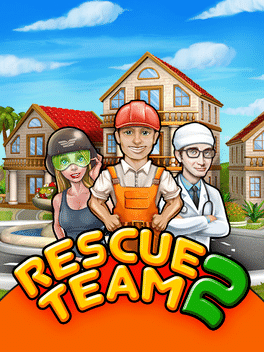
star 7Rebuild the devastated islands as you take control of the Rescue Team in this fantastic Time Management game! After a terrifying tornado leaves storms through the islands, it's up to the Rescue Team to save the day and save lives.Nyctophilia
2015
The Red Hat
2015
One Piece: Pirate Warriors 3 - DLC Pack 2
2015
Extend your experience with 4 new missions and 4 exclusive costumes. This pack also includes 5 costumes from One Piece: Pirate Warriors 2 as a free gift!