New Win Games - Page 4958

Pyroclysm
2013
Pyroclysm
2013
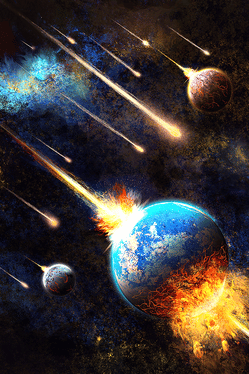
You have RAGE QUIT at Super Meat Boy, pulled your hair out at The Binding of Isaac. Prepare to get your ass handed to you by the insane challenge that is Pyroclysm. This game is HARD! This game is addicting, I dare you to try and survive. Defend civilizations from the onslaught of a massive meteor field traveling through the galaxy. Travel to different locations, buy and upgrade your weapons, missiles, drones and bombs.Echo of Soul
2013
Echo of Soul
2013
star 5.5The Wrath of the Goddess expansion is now live! Journey to the mysterious continent of Kharath, where the malevolent sorceress, Naez, is plotting to summon an ancient evil into the mortal realm. The hope of the world lies with you, Soulkeeper...Frogger's Crackout
2013
Frogger's Crackout
2013
Frogger returns, this time as an exciting new block-breaking game! Use the simple, intuitive controls to aim and fire at blocks with the slingshot. As you play, your ball evolves from an egg into a tadpole, and then into a frog! Waiting for you at the end of each variety-packed level is a giant boss.Arkadianax
2013
The Elder Scrolls Anthology
2013
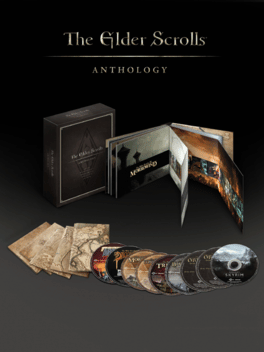
star 8For the first time in the history of the award-winning saga, experience The Elder Scrolls as one extraordinary collection. The Elder Scrolls Anthology features all five critically-acclaimed games, plus official add-ons in a premium collectible box set - beginning with The Elder Scrolls: Arena and concluding with The Elder Scrolls V: Skyrim Legendary Edition. The Anthology also includes a set of five physical maps detailing Tamriel, Iliac Bay, Morrowind, Cyrodiil and Skyrim. Own this essential collection and experience the series that defined the open-world genre.Yume Nikki 3D
2013
Yume Nikki 3D
2013
Yume Nikki 3d is a fan game based on Yume Nikki universe with surreal exploration.Laxius Force
2013
Laxius Force
2013
The story of Random and Sarah who find themselves engulfed in a war against the Order, a dangerous organization wishing to take control of the world. Meet Brussian, Wendala, Marion and their many friends as they join the adventure for the only purpose of defending Adretana, a town that happens to be the next target of the Order's plans. Laxius Force is an epic, addicting RPG at the crossroads of games like Baldur's Gate and the old Final Fantasy and Dragon Quest. If any of those are among your favorite games, then you should definitely give a try to Laxius Force.Valdis Story: Abyssal City
2013
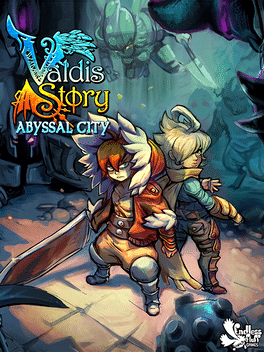
star 6.6Valdis Story: Abyssal City is a side scrolling exploration platformer with an emphasis on intricate and rewarding combat as well as deep play style customization.Yoshi Tanks
2013
Yoshi Tanks
2013
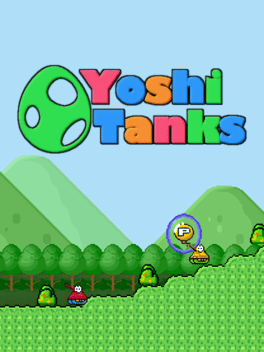
In Yoshi Tanks, the aim of the game is to take out all of your opponent tanks, whether they are your friends, or AI controlled.Criticism Roundup 2013
2013
You, a soon-to-be esteemed game critic, are surrounded on all sides with police officers who want you dead.Train Simulator: Union Pacific Heritage SD70ACes Loco Add-On
2013
The powerful SD70ACe is a popular sight across the US freight railroad network for Train Simulator in six attractive heritage liveries of Union Pacific.Hisou Ningyou
2013
Hisou Ningyou
2013
When she awoke, she was in an unfamiliar mansion. The girl searches for her lost memories. When she discovers the truth, will she choose the path ahead of her, or darkness?Pirate Doom
2013
Pirate Doom
2013
Pirate Doom is a megawad and partial conversion for Doom II. It is heavily inspired by the Monkey Island series and features reskinned enemies, custom music and new weapons as well as new textures and 18 new maps. It was created by Arch, also known as Darch. The full version was released on the 4th September, 2013 and received one of the 20th Annual Cacowards, with the final update being on the 6th June, 2014.Echoes of Sorrow 2
2013
Echoes of Sorrow 2
2013
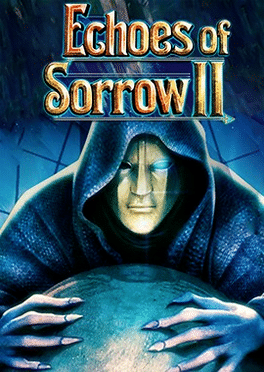
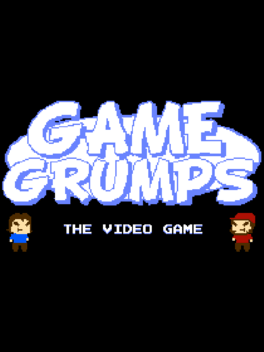
Your ex-husband killed your father, kidnapped your children, and shot your husband. While your husband is in a coma, use a dream machine to travel through his mind to find your children in Echoes of Sorrow 2, the thrilling hidden object adventure game.Game Grumps: The Video Game
2013
Game Grumps: The Video Game is an unofficial 2D platformer developed by GLWuffie and released on the GameMaker Studio Steam Workshop based around the YouTube channel Game Grumps.Onasu
2013
Onasu
2013
Onasu is a Yume Nikki fangame. It is based on the console game in Yume Nikki, Nasu. Your goal is to catch the falling eggplants before they destroy all of the floor tiles beneath you and achieve the highest score possible.Franchise Hockey Manager 2013
2013
Franchise Hockey Manager is a hockey sports management game. The player can take control of any team in 19 playable leagues, including NHL, AHL, KHL and many other European elite leagues, as well as North American minor and junior leagues. A team is led to success by managing every aspect of hockey team: roster management, contracts and player trades, coaching, scouting, finances. Furthermore, you can create your own custom league, fill it with your fictional teams and players, set the rules and play.Total War: Rome II - Culture Pack: Greek States
2013
The Greek States Culture Pack adds a new playable Culture including three new playable Factions to Total War: Rome II; for use in Single or Multiplayer Campaign modes and Custom and Multiplayer Battles. The Greek States Culture Pack adds diplomatic Athens, shrewd Epirus and formidable Sparta as playable factions.Eleusis
2013
Eleusis
2013
star 6.7Eleusis is a 3d first-person adventure game for Windows developed by Nocturnal Works using the technology of the unreal engine. It takes place in a seemingly abandoned village in Greece where the player character, while trying to seek refuge, finds himself in the center of a whirlwind of mysterious events.As the plot unfolds he finds clues that indicate that the village is a nest of a cult which plans to revive a dark force through an ancient ritual and harness its power. The player character faces the challenge of unlocking the forgotten knowledge of the ancient mysteries in order to stop the cult from accomplishing their goal.