Most Popular Atari 8 Bit Games - Page 7

Mr. Grumpy
1982
Mr. Grumpy
1982
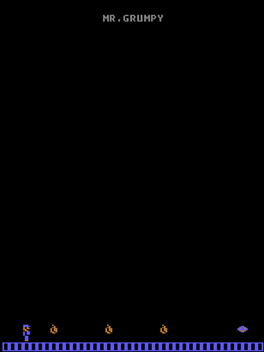
Mr. Grumpy has to eat all the apples he can find. But watch out for the bad ghost cause he likes you fir his dinner.Mozg Procesor
1989
Mozg Procesor
1989
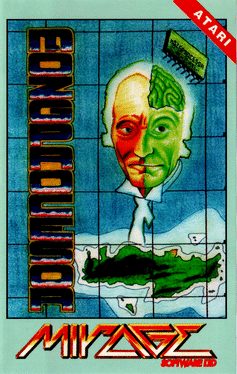
Mózg Procesor is an illustrated text adventure taking place in 2016. The story is set on an island where player's character is on the mission to find the brain processor that can rescue a genius academic Brian Thompson. Professor, creator of a biological computer, suffered an accident on the way to the conference, which was planning to present his invention. The only hope of saving the scientist is to implant him the brain processor. If the player fails to deliver the brain processor on time, the game is lost. The game was released only in Polish.Mountain Skiing
1983
Mountain Skiing
1983
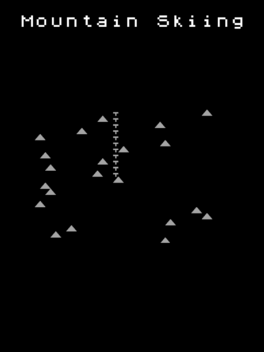
Mountain Skiing is a simple but fast-paced game. The object is to survive on the slopes as long as possible without crashing. You will receive one point every time you hear a beep, and achieve one goal every 20 points. You must avoid all trees, rocks, and bushes.Morky
1982
Morky
1982
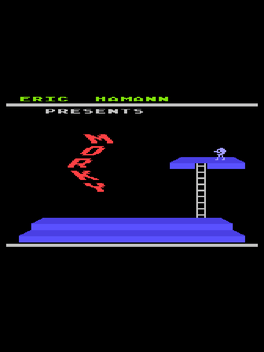
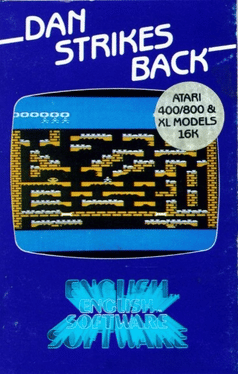
Morky is a platform game, where you play as Morky and have to collect keys to open doors and jump over enemies and holes. You can also collect pills with a plus on it for extra points.Dan Strikes Back
1984
U235
1992
U235
1992
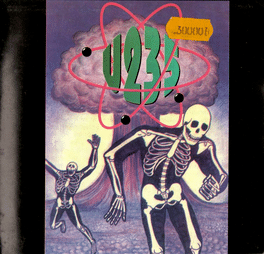
U235 is a puzzle board game. The game starts when Galactic Federation sends a secret agent to the planet Umhar. The aim is to neutralize the nuclear threat. To accomplish the mission the player must join together simultaneously two or more of the same elements indicated on the right side of the screen. The element moves in the indicated direction until it is stopped by another element or the edge of the board. The player may use many useful elements, such as mirrors (reflecting laser beam), bombs or detonators (destroying various barriers). However certain elements should not be brought into contact, for example the ball smashes the mirror and the bomb blows up if collides with the board edge.3D-Pac Plus
1989
3D-Pac Plus
1989
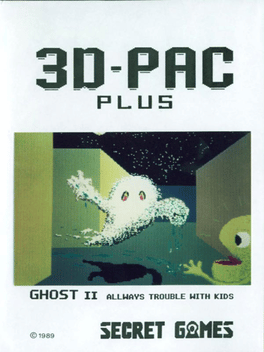
A 3D Pacman Atari game where you need to eat all the pills avoiding the ghosts to clear the stage.Word Maker
1982
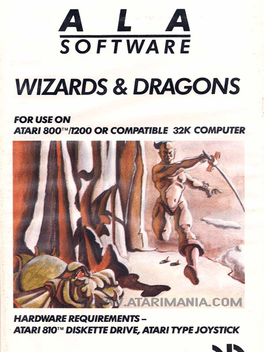
Wizards & Dragons
1983
Wizards & Dragons
1983
The objective of the game is to kill a dragon and save the citizens while dodging... lasers ??Whoops!
1992
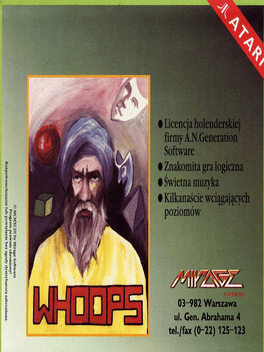
Whoops!
1992
Whoops! is a timed puzzle board game. The player's task is to empty the screen of all the symbols before the time runs out. The symbols have to be arranged next to each other in certain ways - horizontally or vertically. All symbols move at the same time in the indicated direction until they are stopped by another object. The symbols are divided into two groups. The first group is the bricks, which have to disappear. The second group is the heads. The heads can not be removed from the board. They are the moving barrier between bricks, may be an assistance or an obstacle. The game consists of a total of 40 levels.Wireball
1986
Wimbledon '88
1988
Bats
1983
Bats
1983
Game that came for free in one of the numbers of the Antic magazine. In this game you are a bat who needs to feed inside a cavern.Inferno
1991
Dogbite!
1980
Dogbite!
1980
You are a postman and you need to make 10 deliveries on your route without being bitten by a dog.Cribbage
1980
Cribbage
1980
Cribbage Atari is a fast, clear version of the popular card game. Pitting one player against the computer, it's also an easy way for beginning players to learn the scoring and strategy of cribbage, before getting out the pegboard and challenging human opponents.Creep
1987
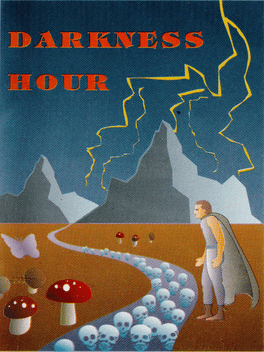
Darkness Hour
1992
Darkness Hour
1992
Darkness Hour is a timed action platform game. The goal of the player is to find the designated number of butterflies before the end of the night. On each level the player may find the limited number of keys necessary to open the doors. Some of the doors lead to a blind alley, incorrect usage of the keys ends up with a game over message. The passing of the time limit finishes the game automatically, no matter how many lives remaining. The game features a total of three levels with a system of teleports, transferring to other parts of the maze. Shaman-like enemies may be killed by using unlimited throwing knives, contact with them or with the sharp spikes means a certain death.