New Playstation Games - Page 77

Felony 11-79
1997
Felony 11-79
1997
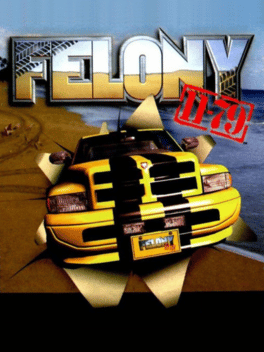
star 7.6Hit and run, baby! Thrash beach-front property, police cars, glass fronted mini-malls and billboards -- essentially, any and everything goes for the greatest joyride of your life! The mission is grab the goods, destroy what you can and get the heck outta town...fast!Jimmy Johnson's VR Football '98
1997
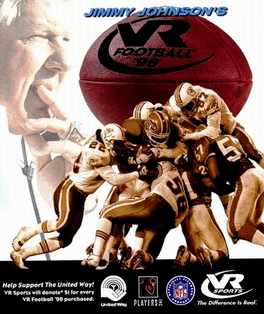
As Interplay's first PlayStation football game under the VR Sports label, Jimmy Johnson's VR Football '98 offers both NFL and NFLPA licenses for real teams and players. Choose from 30 NFL teams with rosters reflecting the 1997 season, five of the greatest teams from the '70s, five from the '80s, five from the '60s, or five All-Pro Teams from 1996 and 1997. You can also create up to four preseason teams (plus one season team) and stock them with up to forty created players! The game features a Practice Mode, Preseason (which is an exhibition game), New Season and a Play Editor, allowing you to create your own offensive plays and save them to memory card (up to 24 plays can be saved for each block of space). Season progress can be resumed through passwords or via memory card, which offers you a choice between a regular or advanced memory card season. Regular means you can trade and create players, but the trades will be automatic and the created players always appear on your team. The advanced option lets you pSteel Reign
1997
Steel Reign
1997
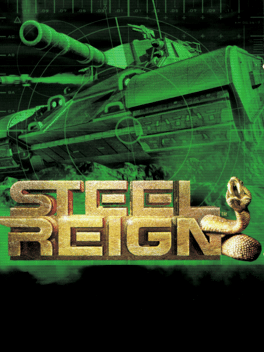
General Storm and his militia are out to take over the world, and it's up to you to stop them. Luckily, you are armed with a battalion of tank prototypes. While there are only three different types to choose from at the beginning, the number of choices will grow to 12 as more tanks are discovered throughout the game.Need for Speed: V-Rally
1997
star 6.8V-Rally is a rally racing game initially developed by Eden Studios for the PlayStation, published in North America by Electronic Arts under the title of Need for Speed: V-Rally. Later ported to PC, N64, Game Boy, and Game Boy Color. It features 11 official rally cars and more than 40 courses with dynamic weather, terrain, and time-of-day variations. Players can fine-tune vehicle settings such as suspension, gear ratios, and steering before competing across three main modes: Arcade, Championship, and Time Trial. In Arcade mode, players advance through competitions grouped by difficulty, each consisting of four stages. Championship mode presents an eight-race tournament with points awarded for top-three finishes, while Time Trial mode focuses on racing against the clock or another vehicle for the fastest time.Car & Driver Presents: Grand Tour Racing '98
1997
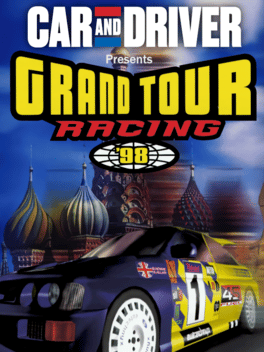
"Car and Driver Presents: Grand Tour Racing '98" offers 40 vehicles in 5 classes, 6 tracks, and 36 course variations. Features include 8 official Car and Driver teams, Season mode, single-player, multiplayer (split-screen & linked), and save data to memory cards. Are you ready to become the ultimate Grand Tour champion? Despite being known in Europe as Total Drivin, France received a unique localisation, where it is known as M6 Turbo Racing.Kurumi Miracle
1997
Kurumi Miracle
1997
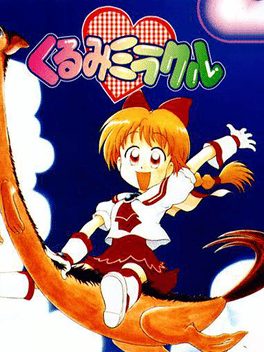
Kurumi Miracle is a Adventure/Simulation video game published by Banpresto released on September 25th, 1997 for the Sony PlayStation.The Vision of Escaflowne
1997
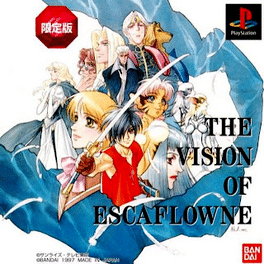
A game based on the popular anime series from Sunrise. It features an alternate storyline and additional characters not featured in the TV series.Karyuu Jyou
1997
Tetsudou-ou 2: Sekai Seifuku no Yabou
1997
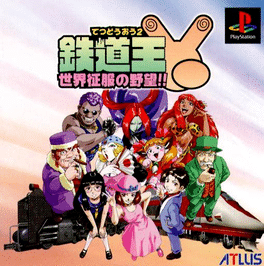
Despite the numbering, Tetsudou-ou 2 is the third game in the Tetsudou-ou series.Battle Bugs
1997
Nessa no Hoshi
1997
Nessa no Hoshi
1997
Nessa no Hoshi is an Action Adventure game, developed and published by Itochu, which was released in Japan in 1997.Breath of Fire III
1997
Breath of Fire III
1997
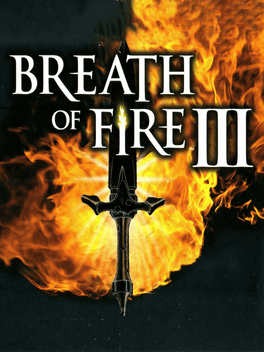
star 6.9A MYSTERIOUS POWER...AN UNLIKELY HERO...A CLASSIC ADVENTURE... The lone survivor of a legendary dragon clan, a rebellious youth embarks on a great journey. One of discovery... and danger. The classic role-playing game now returns to continue the epic tales of Ryu and the dragon people. An inner power of uncertain origin matures Ryu into a warrior who ponders his purpose as he embarks on a mystical journey. What lies ahead is shrouded in mystery... yet strangely familiar. DRAGON GENE SPLICING LEGENDARY ROLEPLAYING AN EPIC 3-D ENVIRONMENT LEARN OR STEAL ADVANCE SKILLS AND TECHNIQUES POWERFUL MAGIC NOW YOU POSSESS THE POWER TO CONTROL RYU'S DESTINY.Fighting Network Rings
1997
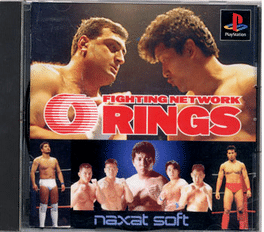
The hard hitting fighting league led by Akira Maeda Martial Arts. You know it from the broadcast on WOWOW, and is characterized by techniques and groundwork. A Realistic fighting game which all the real name combatants have taken part and motion captured the movements for the player to control!NCAA Gamebreaker 98
1997
NCAA Gamebreaker 98
1997
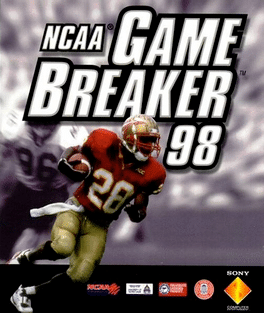
NCAA GameBreaker 98 is a Sports game, published by SCEA, which was released in 1997.NFL GameDay 98
1997
NFL GameDay 98
1997
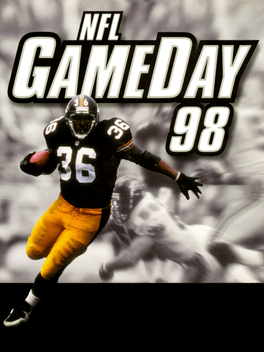
NFL GAMEDAY '98 is loaded with features like Preseason, Season, and Training Camp modes. You can also choose to play as a skill player, like wide receiver or fullback. And when you consider that you also get a play editor, a create-a-player feature, over 100 touchdown dances, and accurate player attributes, you'll realize why the GAMEDAY series is one of the best around. You can also take on your friends (up to eight with the multitap) in the Versus mode.Treasures of the Deep
1997
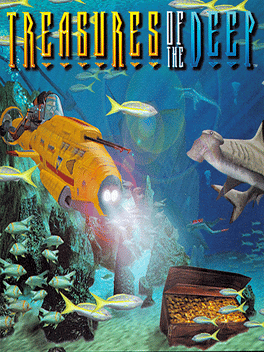
The gameplay in Treasures of the Deep focuses on underwater exploration in a variety of wetsuits and gradually more powerful one-man submarines, in order to fulfill objectives such as capping underwater oil leaks, exploring shipwrecks, and recovering plane crash victims. Finding treasure is also a useful secondary objective - ancient gems from a sunken ship can be put towards upgrading your weapons, equipment, and subs. The game takes place over 14 diverse underwater locations, ranging from the Bermuda Triangle to Antarctica. The levels are designed to evoke a claustrophobic and moody environment. The game's soundtrack was composed by award winning video game composer Tommy Tallarico. There is one unlockable 'bonus' level, Atlantis. A player can occasionally unlock another bonus level called 'Shark Attack', where they play as a shark, with the objective of eating as many sea creatures or divers as possible.Hard Blow
1997
Hard Blow
1997
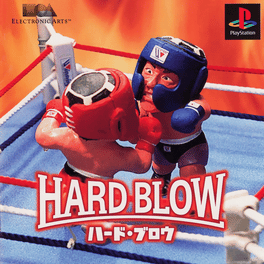
Enjoy a realistic motion introducing a 3D polygon playground. Players raise a rookie, and lead him to the world championship. Battle against your friends' creation, with the use of a memory card.Van-Gale: The War of Neo-Century
1997
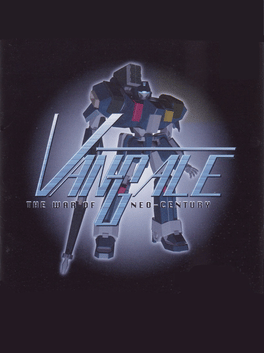
Van-Gale: The War of Neo-Century is an Action game, developed by Aroma and published by Yumedia, which was released in Japan in 1997.Jikkyou Pawafuru Puroyakyu '97: Kaimaku-ban
1997
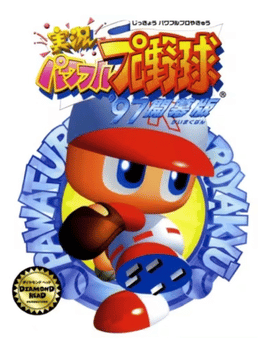
Jikkyou Pawafuru Puroyakyu '97 Kaimaku-ban is a side-series entry in the Pawapuro series based on Jikkyou Pawafuru Puroyakyu 3 for the Super Famicom. It features an updated roster that is in line with the contemporaneous NPB season.