New Ps2 Games - Page 37

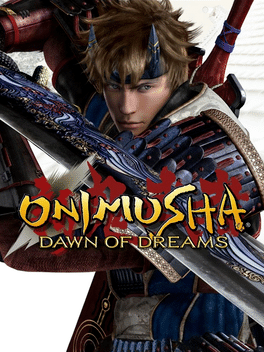
Onimusha: Dawn of Dreams
2006
star 7.1Onimusha: Dawn of Dreams is the sixth installment of Capcom's Onimusha series and the fourth game in the canonical main series. While the game retains the action elements from previous Onimusha titles, it offers a wider variety of weapons and the option to return to earlier stages to unlock new content. The game also introduces a 3D camera and the ability to continuously fight alongside AI-controlled characters that follow the player's orders. Capcom announced Dawn of Dreams in response to high fan demand and after several Capcom members realized they could expand Onimusha's action elements following their work on Shadow of Rome. The game was designed to appeal to skilled gamers rather than the general market, resulting in designs that prioritize appeal over realism.Tourist Trophy
2006
Tourist Trophy
2006
star 7.3Tourist Trophy: The Real Riding Simulator is a 2006 motorcycle racing video game. It was designed by Polyphony Digital, the same team behind the popular Gran Turismo auto racing series. Tourist Trophy is one of only four titles for the PlayStation 2 that is capable of 1080i output, another being Gran Turismo 4, the game engine of which is heavily used in Tourist Trophy. Tourist Trophy was first released in China on January 26, 2006, then in Japan on February 2, 2006. The NTSC edition was officially released on April 4, 2006 with seven extra motorcycles, new riding gear, seven bonus background music tracks, enhanced visual effects, an exclusive "Semi-Pro Mode" and bike profiles. The PAL edition was launched on June 1, 2006 in Australia, and in Europe the next day. The PAL version offers two additional motorcycles and five new BGM tracks from European artists Infadels, Vitalic and Hystereo.Fragments Blue
2006
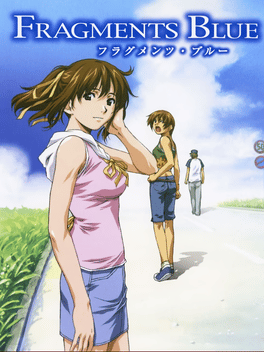
Fragments Blue
2006
This novel-type adventure begins when the main character Kaname Ousaka takes delivery of a letter and a key. In search of the letter's source, he heads back to his home town of Shimizu and learns of a quest to collect a set of such keys in order to open a box that will lead to happiness. The game includes love elements and interactive conversation sequences.Rule of Rose
2006
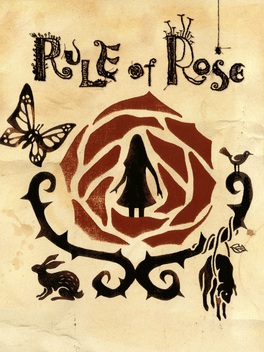
Rule of Rose
2006
star 6.8Rule of Rose is a survival horror game in which the player, who controls Jennifer, explores the game environments and furthers the plot by accomplishing tasks and experiencing cut-scenes while sporadically encountering enemies and bosses. Taking place in England in 1930, Rule of Rose centers on Jennifer, a young woman who is led to an abandoned orphanage by a small boy.Blazing Souls
2006
Blazing Souls
2006
The ninth entry in Idea Factory's IF Neverland brand. You take control of Xeros, a "contractor" who lost all memory of his past. Along with Adel, who encounters Xeros while on a journey in search of her parents, you'll head off on adventure. The game uses a simulation battle system featuring combination attacks and powerful "Hold" moves.Chaos Field: New Order
2006
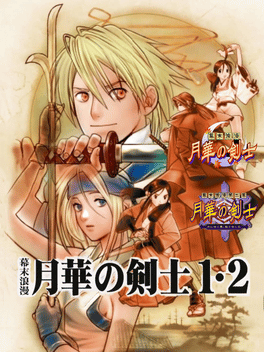
Chaos Field is O3 Entertainment's adaptation of the space-shooting Japanese arcade hit of the same name. The game includes three characters, five levels, and multiple weapons to assist you in your 2D shootouts. During gameplay, you can shoot other bullets as they fly at you and use an energy field to absorb the ones you miss.Bakumatsu Roman: Gekka no Kenshi 1+2
2006
This is a compilation of the two games in The Last Blade series released by SNK Playmore only in Japan.Gunparade Orchestra: Shiro no Shou
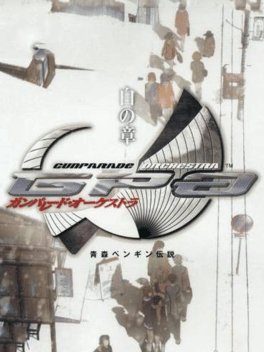
2006
Gunparade Orchestra White Chapter ~Aomori Penguin Legend~ (ガンパレード・オーケストラ 白の章 〜青森ペンギン伝説〜) is a Japanese game co-developed by io-spiral, Dice Corporation and Alfa System. It was the first of the Gunparade Orchestra game trilogy released for PlayStation 2 on n January 12, 2006.Sega Rally 2006
2006
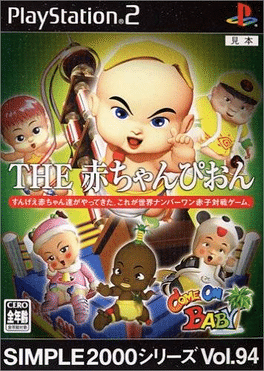
Simple 2000 Series Vol. 94: The Akachampion
2006
The Aka-Champion is a Japanese infant sports game. Go ahead and wrap your head around that one for a minute.The Ultimate Sports Quiz
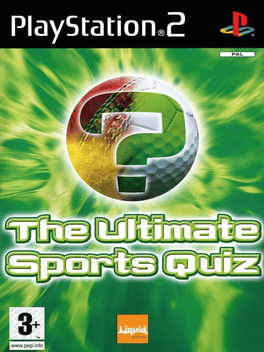
2005
The Ultimate Sports Quiz is a Miscellaneous game, developed by Mere Mortals and published by Oxygen Interactive Software, which was released in Europe in 2005.Future GPX Cyber Formura Road to the Infinity 2
2005
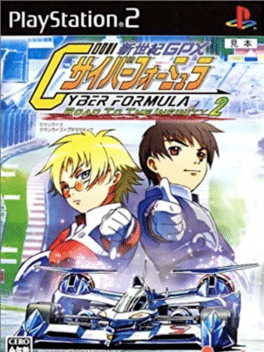
Future GPX Cyber Formura Road To The INFINITY 2 is a PS2 game that was released in 2005. It featured an interactive storyline that included characters from the anime, voice actors, and some original characters.SingStar: Norske Hits
2005
The Norwegian SingStar edition contains both material from the international edition and hits by Norwegian artists. Gameplay undergoes no major changes.Growlanser IV: Wayfarer of Time Return
2005
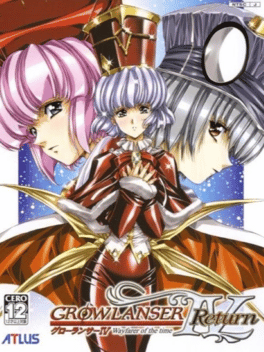
A visual novel fan-disc for Growlanser IV: Wayfarer of Time, containing three short stories, was released on PS2 in 2005.Kenran Butou Sai: The Mars Daybreak
2005
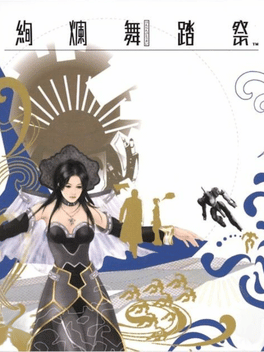
An Alfa System and Sony Computer Entertainment PlayStation 2 exclusive adventure game Kenran Butou Sai (絢爛舞踏祭), translates to "The Mars Daybreak", is a real-time simulation adventure game published in Japan by Sony Computer Entertainment for the PlayStation 2 on July 7, 2005. The title is a spiritual successor to Gunparade March containing the same style of hybrid gameplay where the player interacts with AI controlled NPCs and then participates in combat segments with them. Sony's Prokion and Alfa System developed Kenran Butou Sai with the title being a part of the studio's larger interconnected universe known as Unkown World. A television anime based off the world of Kenran Butou Sai, but focusing on a different story and characters, aired a year before the game's launch in 2004 called Mars Daybreak. The show was produced by Bones and was later released in North America by Bandai Entertainment in 2006.Singstar: Svenska Hits
2005
The Singstar concept has met great success in Scandinavia, but earlier releases had only English songs. Consumers wanted to sing songs they knew, in their own language, and Singstar svenska hits was born. The game follows the same layout as previous games in the series, but with new artists.Front Mission 5: Scars of the War
2005
Front Mission 5: Scars of the War is the fifth in Square's Front Mission tactical RPG series. It brings the player back to a gritty futuristic world in which conflicts are waged between five world powers: the U.S.N., O.C.U., E.C., O.A.C., and the Republic of Zaftra. Such conflicts are waged with the wanzer, Front Mission-speak for mecha. Gameplay-wise, the game is a true return to Front Mission 2 roots while incorporating various features from Front Mission 1, 3, and 4. The player takes part in turn-based missions, which pit their group of wanzers against enemy forces. Old features that have returned include the ability to upgrade parts and mission branching. New features to Front Mission 5 include friendly fire and the ability to recruit new pilots.Matantei Loki Ragnarok Mayoukaku: Ushinawareta Bishou
2005
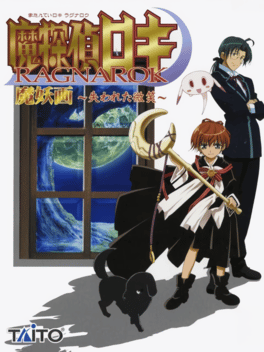
You take control of Loki, the hero of the story, to various locations, gathering information together with Yamano, Mayura, and others, and use clues to solve the case.Tennis no Ouji-sama: Gakuensai no Ouji-sama
2005
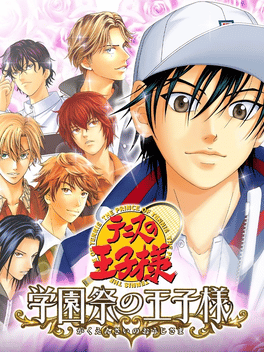
Tennis no Ouji-sama: Gakuensai no Ouji-sama is an otome game, developed by WinkySoft and published by Konami, which was released in Japan in 2005.