New Ps2 Games - Page 79

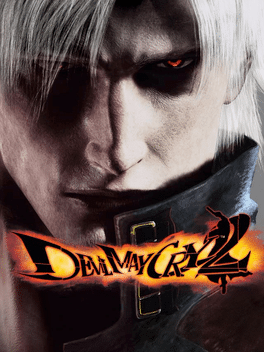
Devil May Cry 2
2003
Devil May Cry 2
2003
star 5.2Devil May Cry 2 is the sequel to Devil May Cry. From the start of the game, the player controls Dante or his new partner Lucia through various levels as they battle waves of demons. This game features an Amulet system, with different parts being acquired throughout the levels that can be equipped by accessing the pause menu. The different parts of the amulet can be equipped to change aspects of the characters Devil Triggers form like elemental moves, time stop abilities, faster movement, flight abilities, etc.Cool Shot
2003
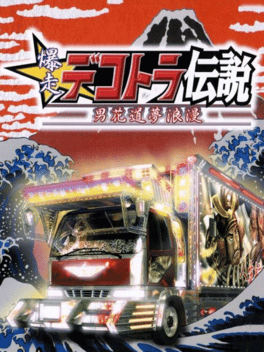
Bakusou Dekotora Densetsu: Otoko Hanamichi Yume Roman
2003
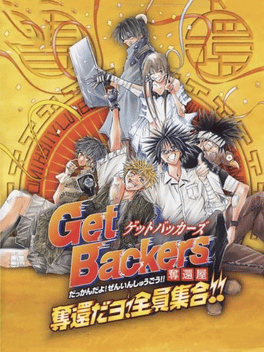
The first PlayStation 2 entry in the Bakusou Dekotora Densetsu franchise.GetBackers Dakkanya: Dakkan da yo! Zenin Shuugou!!
2003
GetBackers Dakkanya: Dakkandayo! Zenin Shuugou!! is a beat 'em up videogame released only in Japan by Konami for the PS2 in 2003.RTL Skispringen 2003
2003
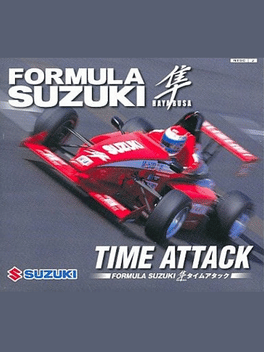
Formula Suzuki Hayabusa Time Attack
2002
Formula Suzuki Hayabusa Time Attack is a Playstation 2 racing advergame from Suzuki. It's made to advertise the Formula Suzuki Hayabusa events. The best laps are to be submitted to a leaderboard in the Suzuki website (in 2002) that is currently down.IHRA Drag Racing 2
2002
Lupin the 3rd: Treasure of the Sorcerer King
2002
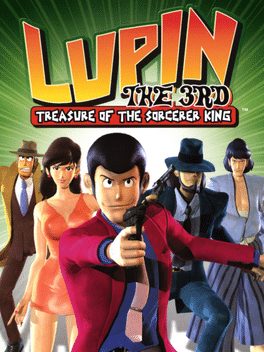
Treasure of the Sorcerer King is a stealth action game putting players in the role of anime legend Lupin the 3rd. Together with Jigen and Goemon, Lupin seeks to steal valuable treasures out from under Inspector Zenigata's nose. Players have access to Lupin's wide array of gadgets and disguises, which allow him to pass by guards unnoticed or to get close enough to pick their pockets. As a stealth game, Lupin the 3rd: Treasure of the Sorcerer King plays like an arcade answer to Metal Gear Solid or Splinter Cell. The game also has puzzles in the classic Resident Evil mode. Lupin plays out from a third-person perspective with a first-person free look option.Kidou Shinsengumi: Moeyo Ken
2002
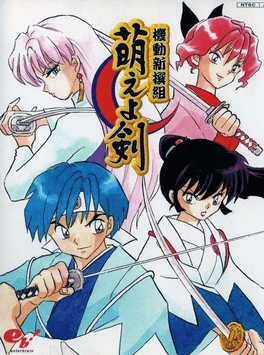
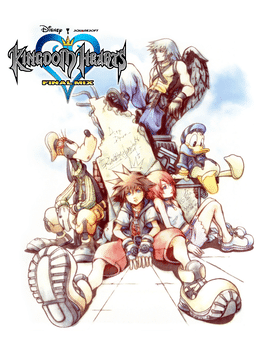
Set in the end of shogunate period, a turbulant age, there were those men who stood for the peace of Kyoto city, concerning the deterioration of safety there. People called them “Shinsengumi” with respect and awe. At the same time in Kyoto, there were battles against evil spirits. Shinsengumi secured the peace in Kyoto while protecting the shrine maidens who had magical powers to keep the evil away. But the peace in Kyoto did not last for a long time as the evil influence again crept upon the city. Kyoto has turned to be a dangerous place where swarms of demons wander. They do not have physical substance; only what police can do is guiding the fleeing citizens. Unable to stand by any longer, Kaishu Katsu who was in power at the time formulated a troop dedicated for slaying demons, headed by the wife of Ryoma Sakamoto, Oryou. In 1882, this was the birth of Kidou Shinsengumi. Created and Directed by Ouji Hiroi, an acknowledged leading creator with the huge hit of “Sakura Wars.” Character design by Rumiko TKingdom Hearts Final Mix: Platinum Limited Edition
2002
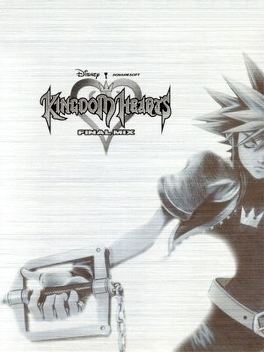
The Platinum Limited Edition of Kingdom Hearts Final Mix comes in a Cardboard Box and includes the following content: - 1 PS2 game "Kingdom Hearts Final Mix" - 1 "Block - Sora" figurine - 1 post-card calendar - 3 badges - 1 set of stickersHiganbana
2002
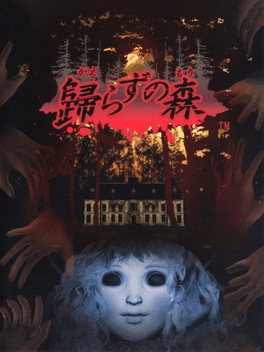
Kaerazu no Mori
2002
Kaerazu no Mori
2002
Kaezaru no Mori: The game is a horror adventure that begins in a small town high school when Tatsuya the main hero and his 2 friends decide to enter deep into the forest in the search of his missing classmate. But things won't be as easy as they though since they will find ghosts, corpses and other perils until they can survive that night. The gameplay as in most visual novels in choosing one of the possible answers to advance, as a peculiar thing in some choices there is a time limit, but the game allows the player to use items to advance through the game, also there are choices that will leave to different endings, and the player's character can also die in most of them.Kingdom Hearts Final Mix
2002
star 7.7Originally released only in Japan on December 26, 2002, Kingdom Hearts Final Mix has several events and a number of gameplay tweaks that are not in previous releases. Spoken dialogue is in English, with Japanese subtitles. New scenes, clarifying certain plot points, such as Riku's journey and foreshadowing of Kingdom Hearts II, were included, but no new dialogue was recorded. A gameplay option allows the player to skip cutscenes after seeing them once. The optional bosses first included in the English version were introduced to Japanese players for the first time, along with a new fight against "Unknown Man," in an attempt to raise interest for the sequel.Air Ranger Rescue Helicopter
2002
An exciting challenge for all budding aviators, Air Ranger Rescue Helicopter puts you in the role of Kane, a dedicated rescue pilot. Four enormous stages and eight types of rescue are on offer as you - and your brave colleagues, Bob, Matilda and Ivan - try to avert disaster and save the day. From evacuating runaway trains to extinguishing an inferno from the air, you will be stretched to your limit in this exciting helicopter sim.NCAA March Madness 2003
2002
Do you dream of cutting down the net in New Orleans? Now you can experience the thrill of being the National Champ with NCAA? March Madness? 2003 -- the ultimate college basketball experience. From the crazed fans in the stands, to the mascots on the court and the fight songs played in the arenas, NCAA March Madness 2003 captures the spirit, excitement and rivalry that is college basketball.King of Colosseum Red
2002
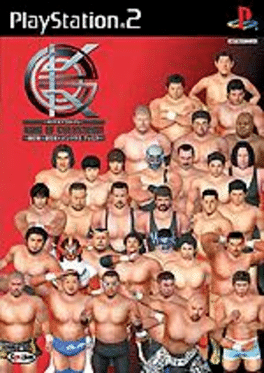
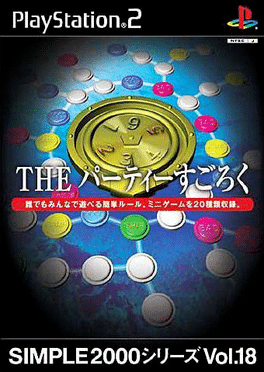
King of Colosseum Red is a Japanese pro wrestling game featuring the All Japan Pro Wrestling, New Japan Pro Wrestling and MMA org, Pancrase Hybrid Wrestling.Simple 2000 Series Vol. 18: The Party Sugoroku
2002
Twenty 2 Party is a fun underwater adventure for you and your friends! Explore the depths of the ocean in this fun interactive game that will involve you and your friends in thrilling challenges for the ultimate treasure.