Most Popular Turbografx16 1 Games - Page 11

Rock On
1989
Ryu Kyu
1990
Sadakichi Seven
1988
Peachboy Legend II
1991
Peachboy Legend II
1991
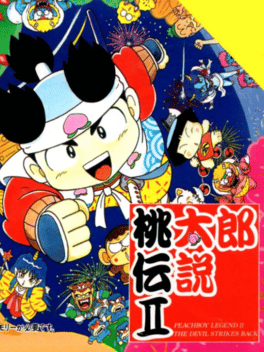
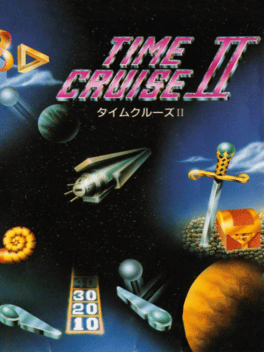
A sequel to Hudson's RPG featuring Momotarou: the Peach Boy of Japanese folklore. The oni are cooking up another scheme and it's up to Momotarou and his companions to travel the world and stop them. Momotarou Densetsu II ("Peachboy Legend II") is an RPG for the PC Engine of the standard turn-based Dragon Quest mold. It is the second proper game in Hudson's Momotarou Densetsu series - which would later spawn the Momotarou Dentetsu series of railroad virtual board games - and features numerous other figures from Japanese mythology. The general structure of the game has Momotarou cross the world with his animal NPC companions, solving the problems of each new town or village he comes across. Upon successfully resolving their demon problem, the town thanks him with elaborate celebrations. Momotarou can eventually pick up a large number of allies, who all follow behind him on the world map. Rather than force the player to locate each new location, they can send their animal companions to scout ahead to eliminate the aTime Cruise II
1991
Mizbak's Adventure
1992
Mizbak's Adventure
1992
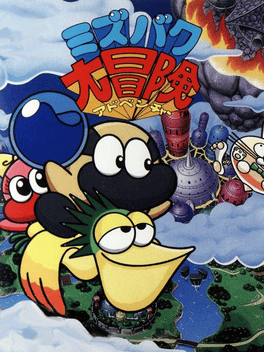
AKA: Liquid Kids or ミズバク大冒険. A platypus-like cute character throwing water balls action game to begin its adventure.Wai Wai Mahjong
1989
Wai Wai Mahjong
1989
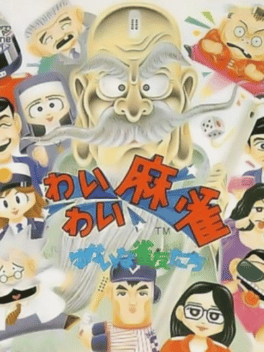
Wai Wai means many people making noise so obviously this is a 4 player Mahjong game playing against many different characters.World Jockey
1991
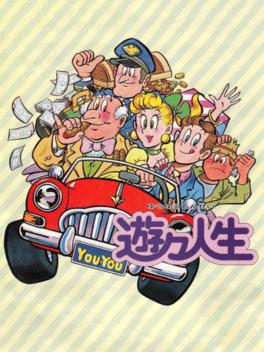
Yuu Yuu Jinsei
1988
Zero 4 Champ
1991
Zero 4 Champ
1991
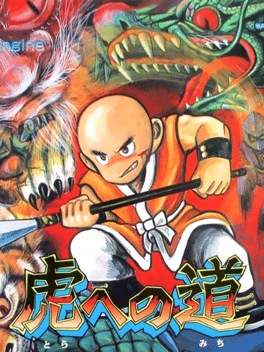
This is a one on one racing adventure game. Cover features the Nissan 300Z (Fairlady Z) and Toyota MR2.Tora he no Michi
1990
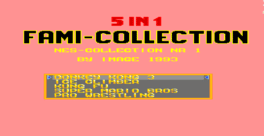
5-in-1 Fami Collection: NES Collection Nr 1
5-in-1 Fami Collection: NES Collection Nr 1 is an unlicensed multicart released for the PC Engine/TurboGrafx-16 in 1993. It contains five NES ports.15-in-1 Mega Collection: Backtracking Ten Years
1992
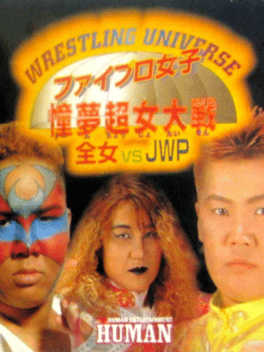
Contains fifteen different games originally released for the VIC-20.Wrestling Universe: Fire Pro Women - Dome Super Female Big Battle: All Japan Women VS J.W.P.
1995
The continuation of the Fire Pro series, with the official license of All Japan Women Wrestling and JPW in an all female roster. New special moves and modes are available.Strider Hiryuu
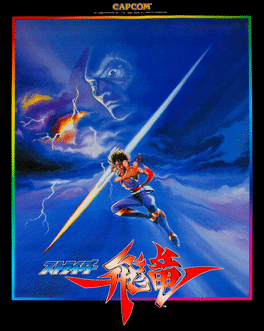
Strider, released in Japan as Strider Hiryū (ストライダー飛竜?) is a 1989 side-scrolling platform game released for the CP System arcade hardware by Capcom. It became one of Capcom's early hits before Street Fighter II, revered for its innovative gameplay and multilingual voice clips during cutscenes (presented in English, Japanese, Mandarin, Russian and Spanish). Strider is set in a dystopian future in the year 2048, where a mysterious dictator known as the "Grandmaster" rules over the world. Hiryu, the youngest ever Super A Ranked[2] member of a organization of high-tech ninja-like agents known as the "Striders", is alone tasked with the Grandmaster's assassination. Hiryu begins his mission by infiltrating the Grandmaster's capital at the Kazakh Soviet Socialist Republic. NEC Avenue produced a PC Engine version of Strider Hiryu, which was released exclusively in Japan on September 22, 1994. The PC Engine version was released as a CD-ROM² title which requires the Arcade Card expansion. The PC Engine poDragon Ball Z: Idainaru Son Goku Densetsu
1994
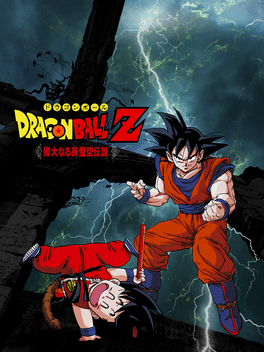
Join Gohan as he shares with Goten the battles of their deceased father, Goku, along with other characters. Dragon Ball Z: Idainaru Son Goku Densetsu illustrates Goku's seven greatest battles: fighting Mercenary Tao, challenging Tien Shinhan at the World Martial Arts Tournament, destroying King Piccolo, fighting Piccolo at the 23rd World Martial Arts Tournament, protecting Earth from Vegeta, saving Namek from Frieza, and sacrificing his life to save the world from Perfect Cell.Downtown Nekketsu Koushinkyoku: Soreyuke Daiundoukai
1992
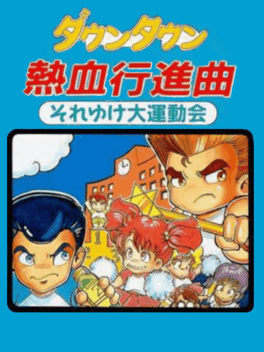
Reihou Academy Student Council proposed a friendly athletic meet-up to apologize for the wrongdoings done by student council president Yamada. However, Toudou Mamoru, the new student council president who has been entrusted with the arrangement of the athletic meet, has no intention of apologizing. Instead he is plotting to crush the other schools, and reinstates The Double Dragons despite them being expelled for their kidnapping of Mami. Nobody hesitates to participate. Nekketsu High School, led by Kunio, Hanazono High School led by Riki and Interschool Union led by Gouda all announce their participation in the competition. Thus Toudou can begin his plot with the 4 teams in place.Battle Royale
1990
Battle Royale
1990
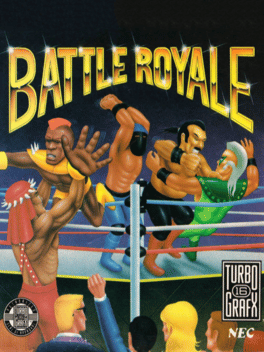
It's wrestling mayhem out of control! Five maniacs hit the mat in a no-holds-barred, free-for-all brawl with no rules, no refs and absolutely no mercy! Team up with friends to nail opponents. Now look out! They're coming after you! Smash 'em, bash 'em and throw 'em over the ropes! The sound is so intense you'll feel every crushing hit, every cracking bone. It's furious, non-stop action for up to five players ... a winner-take-all gang fight for survival!