Most Popular Famicom Games - Page 22

Ys
1988
Ys
1988
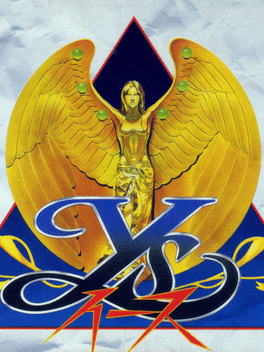
In this game, the player takes the role of Adol Christin, a red-haired adventurer and expert swordsman. One day he encounters a fortune teller who sends him on a quest to find information about the six books of Ys. It appears that there was once an ancient land called Ys, whose secret was sealed in those six books. Before long Adol learns that the six books were all stolen by the evil wizard Dark Fact (Dulk Dekt in the Sega Master System version, Malificus in the English-language computer versions). It is Adol's task to defeat the villain and discover the secret of Ys!The Fairyland Story
An NES/Famicom prototype of arcade game The Fairyland Story. It was never released.Aladdin
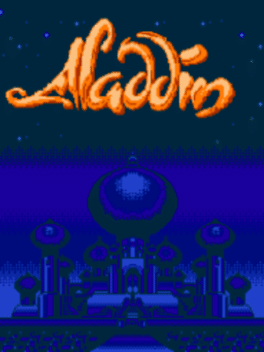
Aladdin is a Famicom port of the Sega Mega Drive game of the same name, made by Super Game and published by Realtec.The Lion King V: Timon & Pumbaa
1998
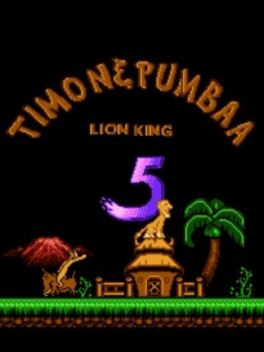
The Lion King V: Timon & Pumbaa is a game released on the Famicom by Dragon Co. as a sequel to their first ever release, The Lion King III: Timon & Pumbaa.Amusement Park: Jumping Kid
2012
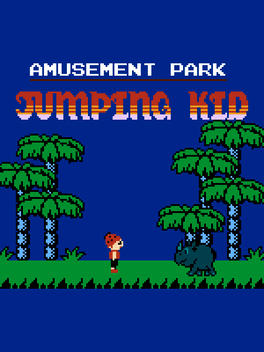
Amusement Park: Jumping Kid is an unlicensed platforming game for the NES.Tetris
1988
Tetris
1988
Tetris for Famicom is a port of the Japanese home computer version. Originally published under an incorrect licence, the game led to Henk Rogers's purchase of the Tetris licence on multiple platforms, which later led directly to further Nintendo releases. It is infamous for its control scheme, which mapped down to rotate, and A to hard drop, the opposite of most later versions which have down for drop and A for rotate. On October 1st, 2018 the game was re-released as part of the AtGames Legends Flashback. It has an updated copyright screen and remapped controls (up/B for rotate, down/A/C for hard drop). On November 1st, 2019, it was re-released on the updated Legends Flashback, Legends Ultimate Arcade, and the Adventure Flashback Blast!.Fantasy Zone
1987
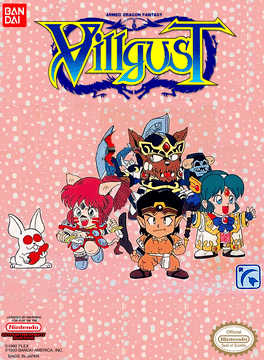
Armed Dragon Fantasy Villgust
1993
Armed Dragon Fantasy Villgust is a Role-Playing game, developed by TOSE and published by Angel (Bandai), which was released in Japan in 1993. This game is based off the anime of the same name that was released many years ago.Momotaro Densetsu Gaiden
1993
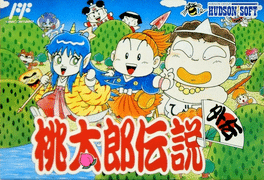
The Family Computer port of the Game Boy game under the name of Momotaro Densetsu Gaiden. A spin-off of Hudson's Peach Boy RPG series that focuses on three side characters instead. The game switches focus from Momotarou to three extra characters, each has their own distinct campaign to play through. One follows a standard RPG route of a hero's journey, another involves the princess of the kingdom of demons as she attempts to uncover an attack on her father's throne with a band of allied monsters, and the third involves a thief who steals money from monsters and gives it to beggars. Each campaign follows the core gameplay of the series: overworld exploration and turn-based combat.Donkey Kong Country 4
1997
Donkey Kong Country 4 is a pirated port of Donkey Kong Country from 1994 for the SNES, made by Hummer Team in 1997. The gameplay, graphics, and sound are similar to the official Game Boy Color port of Donkey Kong Country, albeit downgraded to work on the Famicom. It's often considered to be significantly superior to other pirates based on the Donkey Kong Country series.Super Xevious: Gamp no Nazo
1986
In Super Xevious: Gamp no Nazo the player controls a spaceship named the Solvalou in its mission to destroy a powerful supercomputer named GAMP, which took over Earth during an ice age. Gamp no Nazo features a heavy focus on puzzle-solving, with each of the game's 21 levels posing a puzzle that must be solved to progress.Super Bros. 8
1992
Super Bros. 8
1992
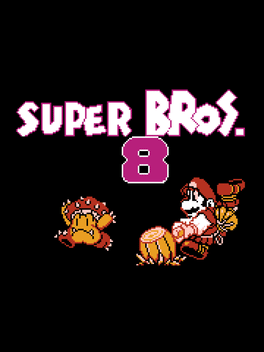
Super Bros. 8 is a hack of Don Doko Don 2, released sometime in the early 1990's (likely in March 1992, as implied by its manufacture code). It was likely developed by J.Y. Company, as its PCB has two PROMs suggesting this: one reads JY-A1 and another JY211.The Legend of Zelda: Shénqí de Màozi
The Legend of Zelda: Shénqí de Màozi is a backport of The Legend of Zelda: The Minish Cap on the Famicom. It was published and developed by Shenzhen Nanjing. This game has a title hack where the title screen is changed to The Phantom Hourglass.Zelda Chuánshuō: Sān Shén zhī Lì
2004
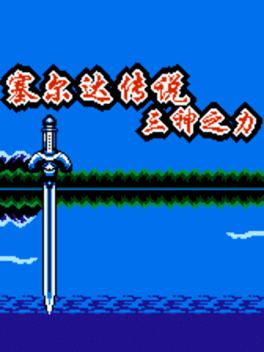
Zelda Chuánshuō: Sān Shén zhī Lì is a bootleg game developed by Mars Production and published by Waixing for the Famicom. It is a backport of The Legend of Zelda: A Link to the Past for the SNES.Léidiàn Huáng: Pikachu Chuánshuō
2004
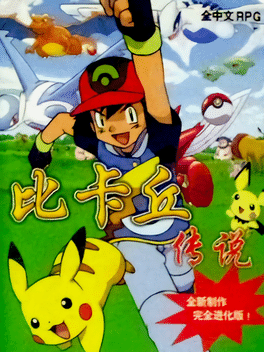
Léidiàn Huáng: Bíkǎqiū Chuánshuō (also known as Pokémon Yellow) is a pirated game for the NES made by Shenzhen Nanjing. It's generally regarded as being of higher quality compared to Shenzhen Nanjing's other games. This game is basically a port of Pokémon FireRed / Pokémon LeafGreen Version and Pokémon Yellow Version mixed together with some changes to it.8Bit Music Power
2016
Toukon Club
1992
Igo Meikan
1990
Igo Meikan
1990
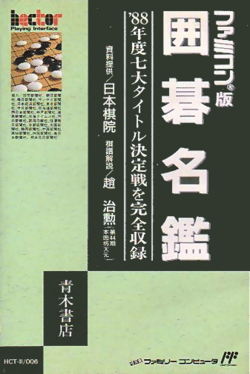
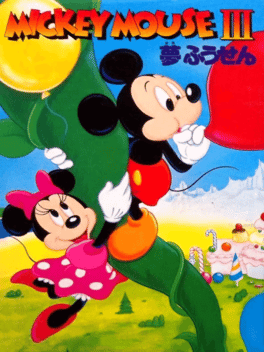
Igo Meikan ("Go Directory") is a go game for the Famicom released by Hect, a developer that specialized in board game to video game adaptations. It is primarily focused on teaching the player to play go like the pros, with the meikan (or directory) in this case being a list of techniques and tactics. As with all versions of go, the goal is to surround the opposing player's pieces, thereby capturing them and removing them from the board. The winner is whoever has the most pieces on the board left when both players have stopped taking turns (usually because there's no more legal moves).Mickey Mouse III: Yume Fuusen
1992
Mickey Mouse III: Yume Fuusen is the third game in the Crazy Castle series, and became known in the West as Kid Klown in Night Mayor World.Super Mario 14
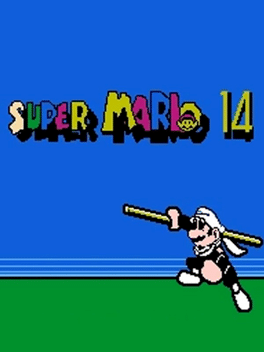
1993
Super Mario 14
1993
Super Mario 14 is a hack of the Japan-exclusive Famicom title Kaiketsu Yanchamaru 3: Taiketsu! Zouringen, the second follow-up to Kid Niki: Radical Ninja.