New Games - Page 10963

Angry Barry
2009
The Adventures of Little Red Riding Cap
2009
A happy, easy-going girl starts on a most familiar trip to her grandmother's house, but the fairy tale doesn't tell us all the difficulties she faces on her journey. Along the way, she'll need to find and make food and visit the local village, which is inhabited by simple, sociable folk who are always ready to accept the help of a curious and kind-hearted girl.Big City Rigs: Bus Driver
2009
You've got one job — drive a bus! Get behind the wheel of one of the 8 bus models and master the city streets as you transport passengers and increase your cash flow!Don King Boxing
2009
Don King Boxing
2009
star 6The most famously successful, enthusiastically coiffured promoter in all of pugilism lends his half-century of experience, wisdom, and name recognition to Prizefighter, a hardcore boxing game with a role-playing sideline designed to demonstrate the dedication and diligence demanded of heavyweight champ hopefuls, even outside of the squared circle and away from the gym. In the role of their own custom up-and-comer, players must make decisions to balance the boxer's conflicting needs. It takes training to stay sharp, but time spent at promotion may lead to bigger matches, and all work with no play can be bad for a man's mental health. Story development occurs through documentary-style updates and cut scenes. The game aims to present, in the words of its presenter himself, "a glimpse at what life is like in and out of the ring for these incredible athletes."The Dishwasher: Dead Samurai
2009
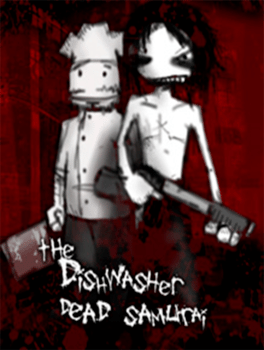
star 7.9A 2-D stylistic action platformer showcasing fast action, deep gameplay, and a unique visual style. An undead samurai dishwasher in a dystopian universe is on a quest for revenge against the evil cyborg army. Compete with the rest of the world in a variety of speed run and high score challenges to become the most formidable Dishwasher yet!X-Men Origins: Wolverine Uncaged Edition
2009
star 7.6X-Men Origins: Wolverine Uncaged Edition is a third-person action game developed by Raven Software and published by Activision. Released in 2009 for PlayStation 3, Xbox 360, and Windows PC, this version offers a more intense and graphic experience compared to its counterparts on other platforms. The Uncaged Edition features mature-rated content, including explicit violence and gore, showcasing Wolverine's feral combat style. Players can perform brutal attacks, such as dismembering enemies and utilizing environmental hazards for combat advantages. The game also highlights Wolverine's regenerative abilities, with real-time visual damage and healing effects. Drawing inspiration from titles like God of War and Devil May Cry, the gameplay emphasizes combo-based melee combat, platforming, and quick-time events. Players can upgrade abilities and unlock new moves by earning experience points through defeating enemies and discovering collectibles. The narrative expands upon the film's storyline, incorporating additionalAltitude
2009
X-Men Origins: Wolverine
2009
star 7.1A port of X-Men Origins: Wolverine, a hack-and-slash action-adventure game loosely based on the film of the same name.Show do Milho Grande
2009
Show do Milho Grande
2009
The Software program to test your intelligence. based on "Show do MIlhão" from SBT.Tiger Woods PGA Tour
2009
Tiger Woods PGA Tour
2009
Play the only iPhone/iPod touch game that lets you golf AS OR AGAINST Tiger Woods! Beat Tiger at his own game and step onto legendary courses around the world! Watch each fairway come to life with 3D graphics, dynamic camera angles, and realistic sounds. Take on other PGA pros and hear play-by-play commentary by Sam Torrance and Kelly Tilghman. Use the Swing Meter and get visual feedback to help you achieve the perfect swing! Tee it up with Tiger Woods PGA TOUR by EA Sports - anytime, anywhere!Die drei???: Das verfluchte Schloss
2009
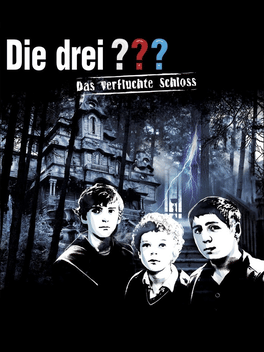
A new case leads Jupiter, Peter and Bob to an abandoned castle where a ghost is up to mischief. But the three detectives soon discover that there is much more to this spooky story than initially assumed - The new Wii game will be released in spring 2009 to coincide with the start of the new feature film by the cult detectives, "The Three ??? - The Cursed Castle". can replay Wii. The exciting location Schloss offers numerous partially hidden rooms to explore and many tricky puzzles and exciting tasks to solve. Quick reactions, knowledge and logical thinking are required to solve the mystery.Hakushaku to Yousei: Yume to Kizuna ni Omoi wo Hasete
2009
Hakushaku to Yousei: Yume to Kizuna ni Omoi Hasete is an otome game released in Japan in 2009.The Maw: Speeder Lane
2009
In this "deleted scene" from The Maw, Frank steals a Bounty Hunter Speeder and uses it to break through their blockade. This part of the story takes place before the Mesas level. Maw follows Frank as he rides a Speeder!Burnout Paradise: Cops and Robbers
2009
The Cops and Robbers Pack is a downloadable premium content pack for Burnout Paradise that introduces a new online game mode to Burnout Paradise along with police variations for 33 of Paradise Cars. The new game mode is essentially a team based one-flag capture the flag. Players choose to be on either the Cops or Robbers team. Each team tries to take the gold to their base. If a player is taken down then the player that did so automatically receives the gold. The team that brings the gold to their base wins the round. The team that delivers the most gold wins.Toradora Portable!
2009
Toradora Portable!
2009
Toradora Portable! is developed by Guyzware and published by Namco Bandai Games. The player assumes the role of Ryuuji Takasu where he moves around school and town, conversing with characters and working towards multiple endings as part of an original storyline. The game also features a minigame where players play as Taiga, fending off lovesick guys.Two Worlds: Epic Edition
2009
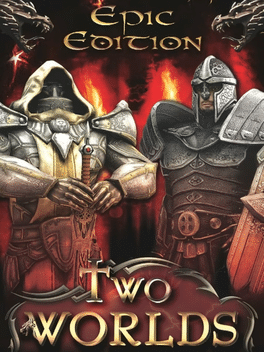
star 6.9At the beginning of your epic adventure, a mercenary task takes you to the far north - but you're also following up a mysterious lead at the same time - the first clue you've been given since Kyra's disappearance. You get a shock during a meeting with the delegates of a dark Brotherhood - your sister's kidnappers are indeed after your family's relict. Whether there's any truth in your family being chosen ones or not, the others obviously believe it - and if you ever want to see Kyra alive again, you'll have to act swiftly...Da Capo Innocent Finale
2009
Alternative setting to Da Capo staging Kotori Shirakawa as the main heroine, with a completely rewritten scenario. The scene takes place after the graduation ceremony. After being crowned at the school beauty contest, Kotori confesses to Jun'ichi, or rather, she intends to. At that time, something happens to Nemu...NewDoom Community Project II
2009
NewDoom Community Project II (aka NDCP2) is a 2009 megawad that contains 32 new levels, made by members of the NewDoom community. It is a sequel to Newdoom Community Project, which was released in 2006.