New Games - Page 11107

Baja: Edge of Control
2008
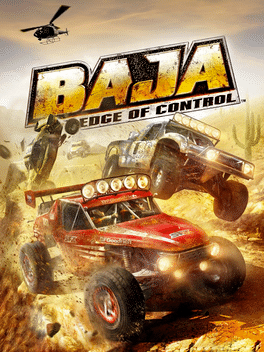
star 6.7Baja: Edge of Control is an off road racing videogame developed by 2XL Games for the PlayStation 3 and Xbox 360. The game gets its name from the real life Baja 1000 off-road race, on which it is based. The game is set on over 95 different tracks, including 3 different Baja 250 courses, 2 Baja 500 courses, and 1 Baja 1000 course. The game was released September 22, 2008 in North America and September 26, 2008 in Europe.Sid Meier's Civilization IV: Colonization
2008
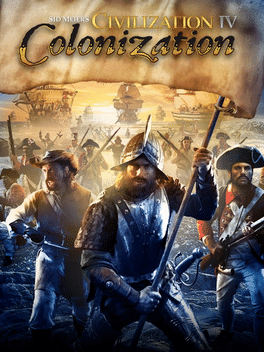
star 7.3A complete reimagining of Sid Meier's 1994 classic, Colonization is a total conversion of Civilization IV that combines Civilization's addictive gameplay with all-new graphics and features that add more depth to the franchise.Kirby Super Star Ultra
2008
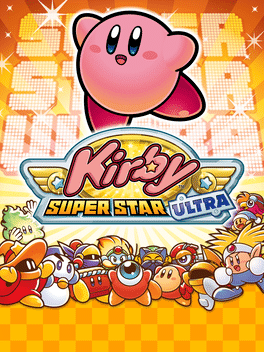
star 7.9Kirby Super Star Ultra for the Nintendo DS re-imagines one of the most beloved Kirby games of all time. The game features new graphics and fully rendered animated cut scenes. With so many adventures waiting to be unlocked, there will never be a dull moment as Kirby runs, floats, copies enemies and uses Helpers to fight King Dedede and Meta Knight. New modes like Revenge of the King and Meta Knight Ultra await, along with classics like The Great Cave Offensive and Milky Way Wishes. On top of the main modes, there are also three new touch-screen-controlled mini-games that can be played with up to three friends via DS Download Play. Not only that, but players can go on Kirby adventures with a friend via local wireless as well.Mega Man 9
2008
Mega Man 9
2008
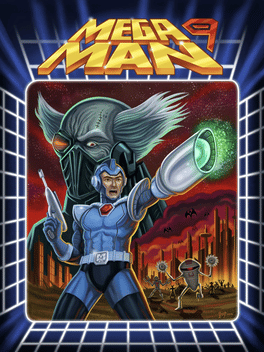
PlayStation 3 PlayStation 4 Wii PC (Microsoft Windows) Xbox 360 Xbox One Legacy Mobile Device Nintendo Switchstar 8.4Mega Man 9 brings the series back to its old school roots with retro gameplay, music and classic 8-bit style graphics! Mega Man fans, your wait is over! The classic Blue Bomber that debuted in 1987 is back with the ninth installment in the classic series. It's a new adventure for Mega Man all done in an 8-bit style -- graphics, music, and gameplay are all like you remember them!Hoshi Saga 3
2008
Hoshi Saga 3
2008
The third installment of the Hoshi Saga series. The game concept remains the same: search for the star in each of the 30 levels.Supple
2008
Supple
2008
Similar to an interactive sitcom on television, Supple lets you take control of the show's main character. Arin Costello is her name, and she works as an associate editor at the fictitious popular fashion magazine Supple Magazine. The game is centered around relationships, money, shopping, and career advancement. Supple has a unique gameplay experience with over 2000 recorded lines of entertaining dialogue between real-life folks. The objective of the game is to assist Arin in her work, play, and earning points with the boss in order to surpass her coworker Hugh and advance to the position of Style Editor by Friday!Evil Exhumed
2008
Storyteller
2008
Storyteller
2008
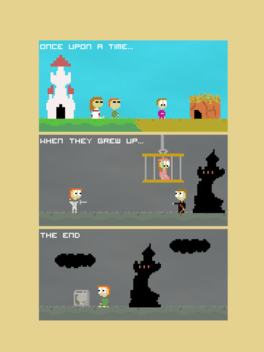
A prototype to the award-winning puzzle game Storyteller. The screen is divided in three vignettes that tell a different part of a single story ("Once Upon a Time", "When They Grew Up", "The End").Neo Angelique Special
2008
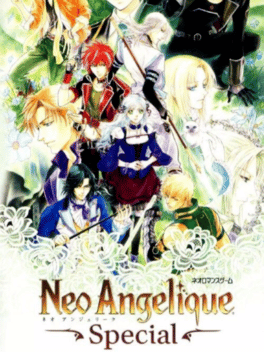
Fully voiced and added omake events for the characters from the Neo Angelique Abyss anime: Mathias, Erenfreed, Jet, and Roche.Pixie Hollow
2008
Pixie Hollow
2008
Pixie Hollow Online was a MMO (massively multiplayer online) game from Disney Online (PixieHollow.com). Players could create a Fairy or Sparrow Man character and play as them and participate in events, complete quests, shop, dress up, collect ingredients, play mini-games, earn talent points, choose an animal friend, chat, host a party, earn badges, and more.Mahjongg DS
2008
Mahjongg DS
2008
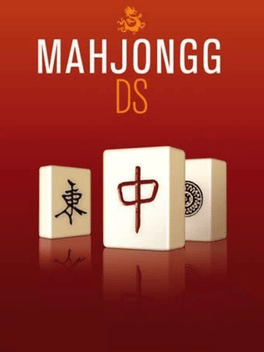
star 9Experience the world famous Chinese board game! Play your way through numerous tricky levels at different difficulty levels in a setting of beautifully drawn backdrops. Enjoy endless playing pleasure either in Single-Player or 2-Player Mode on a Nintendo DSi system. Use powerful extras such as Dynamite, Whirlwind, and Hourglass and become the uncontested Mahjong champion!Warfare 1917
2008
Warfare 1917
2008
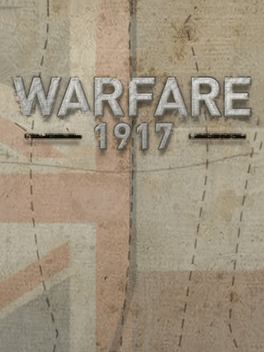
Warfare 1917 is the first game in the Warfare series, The game is set during the First World War, where the player, playing as either the British Army or the Imperial German Army, must defeat their enemies.Shattered Suns
2008
Shattered Suns
2008
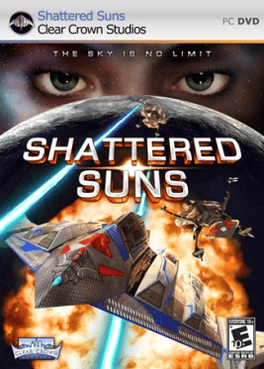
One brave captain defies an empire as billions hunger for liberty. As hope is awakened, so too is wrath. In the fact of imperial power, some will fight, many will surrender, and a few will betray all.Planet Alcatraz 2
2008
Planet Alcatraz 2
2008
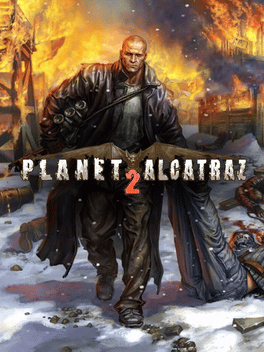
The sequel to Planet Alcatraz tells the story of sergeant Hartman, the leader of the Ghoul strike unit, that remained MIA in the original game. Only Russian language is supported at the time of Steam release.Melty Blood Actress Again
2008
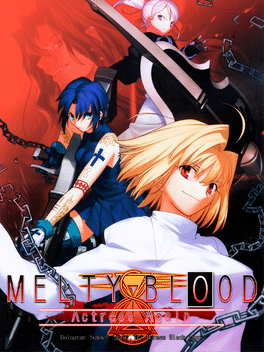
star 8Melty Blood Actress Again, is the third game in the Melty Blood fighting game series. It was released in the 4Q 2008 on Sega Naomi hardware. Compared to Act Cadenza, the game features three entirely new playable characters, as well as several new alternate versions of existing characters in the PS2 version. All characters now feature selection between three different fighting styles, known as Full Moon Style, Crescent Moon Style (most similar to Act Cadenza) and Half Moon Style, which changes not only the way in which life and Magic Circuit meters function, but also each characters' basic and special attacks.Pirates: Duels on the High Seas
2008
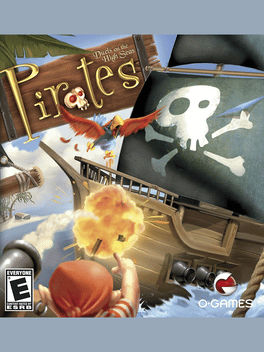
star 4Set sail across the 7 seas! A chance encounter with an old sea dog, the legend of a fantastic treasure, - Thus begins an epic adventure for the 7 keys of the 7 seas - a daring battle against the Royal Navy, sea monsters, a Witch Queen and Blackbeard himself! 70 levels over 7 seas; collectable weapons, crew men and treasure. Jam packed with adventure - your crew await you captain! Choose a Pirates life - for gold and glory!Multiwinia: Survival of the Flattest
2008
star 8"Long ago a computer scientist called Dr Sepulveda created a beautiful digital world existing entirely within a computer network of his own invention. This world was called Darwinia and it was inhabited by a peaceful, law-abiding digital life-form called the Darwinians.SimCity Creator
2008
SimCity Creator
2008
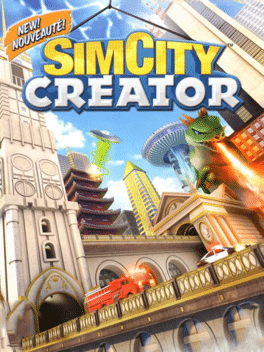
star 6.6SimCity Creator follows the basic SimCity formula that sees players managing a city and placing residential, commercial, and industrial zones for buildings in addition to facilities such as police stations, hospitals, seaports, and stadiums. Players are also able to customize the look of their buildings by choosing from several themes for the city such as Egyptian, Roman, Japanese, European, Las Vegas, and near-future styles, in addition to ones that result in a crystal or confectionery-like appearance to buildings. Players are also able to tour their city, rendered in 3D graphics, in a helicopter or airplane. If the player builds an airport, more touring vehicles can be unlocked.