New Games - Page 11529

MVP 06: NCAA Baseball
2006
star 7.2The makers of the highest-rated and top-selling baseball game of the past three years have created a completely new baseball experience: MVP 06 NCAA Baseball. Inspired by the spirit and emotion of collegiate athletics, MVP 06 NCAA Baseball is the first-ever college baseball game, changing the way baseball video games are played with the all-new Load and Fire Batting system. With the aid of the right analog stick and all-new swing types, take complete control of your swing - protect the plate with the mentality of a contact hitter or take aim at the cheap seats by swinging like a slugger. Featuring the top universities and conferences, battle your way to Omaha and enjoy the game like a kid again with MVP 06 NCAA Baseball.Kero Kero 7
2006
Kero Kero 7
2006
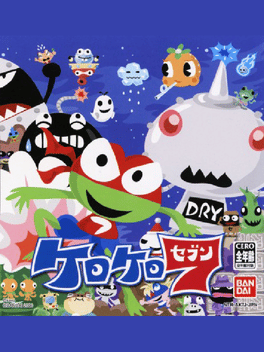
Kero Kero 7 features an assortment of spy tools for players to use. Record a voice sample and save it or send it to friends. Use your built-in stopwatch or set an alarm. Scribble away with your very own drawing tools! Annoy your friends with your own personal sound effect generator! Or share your secret agent data card with friends who have a copy of the game!25 To Life
2006
25 To Life
2006
star 7.325 to Life is designed to place the online tactical action of a squad-based shooter in open urban settings that are reminiscent of the latter-day Grand Theft Auto games. Through two parallel perspectives on the same ongoing conflict, 25 to Life offers play as either a law enforcement officer or a streetwise gangsta. In either case, players are equipped with the tools of their respective trades; cops can make use of their superior training with firearms or call for helicopter air support, while gang members can choose from a wider selection of weapons and use civilian hostages as human shields. The game was built with online play in mind, and several multiplayer modes are supported. Players can customize their characters with tattoos, brand-name apparel, and other accessories, then take them online to join others for team deathmatch-style competition. A full-fledged single-player campaign is also included, casting players in the role of an urban up-and-comer who finds trouble on both sides of the thin blue line. ThBlazing Souls
2006
Blazing Souls
2006
The ninth entry in Idea Factory's IF Neverland brand. You take control of Xeros, a "contractor" who lost all memory of his past. Along with Adel, who encounters Xeros while on a journey in search of her parents, you'll head off on adventure. The game uses a simulation battle system featuring combination attacks and powerful "Hold" moves.Crazy Frog Racer
2006
Cool Herders
2006
Cool Herders
2006
Cool Herders is an addictive 2D multiplayer game that pits you against up to three friends in a game that can only be described as "Cool." Your goal is to collect the most sheep in a round, either by herding them yourself or by bashing your opponent and stealing his or her sheep! On top of the multiplayer fun, story mode will put you in the shoes of Zeus as he makes his way through level after level of challenges to get his herd back from the evil clutches of Iskur. The going won't be easy ? Zeus will have to travel far away from his homeland of New Zealand to complete challenges and compete against herders in various locations before taking on Iskur himself in a battle to restore peace in the pasture! Will you and Zeus with the day, or will Iskur horde the herd for himself?Chaos Field: New Order
2006
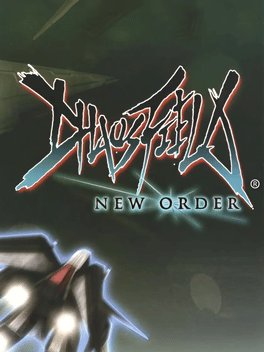
Chaos Field is O3 Entertainment's adaptation of the space-shooting Japanese arcade hit of the same name. The game includes three characters, five levels, and multiple weapons to assist you in your 2D shootouts. During gameplay, you can shoot other bullets as they fly at you and use an energy field to absorb the ones you miss.Zettai Zetsumei Dangerous Jiisan DS: Dangerous Sensation
2006
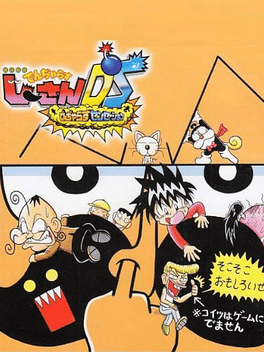
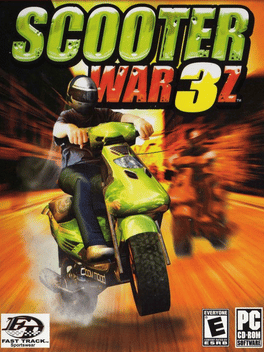
A minigame collection based on the CoroCoro Comic serial, Zettai Zetsumei Dangerous Jiisan ("Grandpa Danger" in Viz Media's English version).Scooter War3z
2006
DJMax Portable
2006
DJMax Portable
2006
DJMax Portable is a music video game for the PlayStation Portable. It is a sequel to DJMax Online, a web-based music mixing game for Windows.Rat Hunter
2006
Rat Hunter
2006
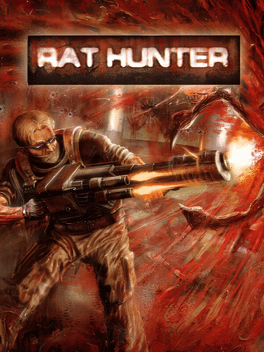
Rat Hunter is a traditional first-person-shooter that firmly takes its inspiration from Doom, Quake and other older titles. It's all about fast-paced shooting action and the design is kept intentionally simple. You will gain no benefit from headshots, there's no cover system and no iron sights.Ultimate Block Party
2006
Ultimate Block Party
2006
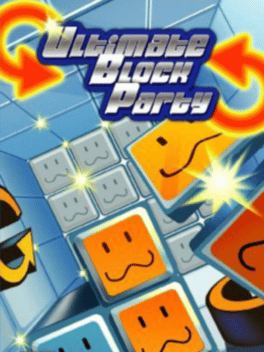
star 6Ultimate Block Party is a puzzle game series where blocks must be cleared. Every so often new rows of blocks will push up the current ones. Not clearing enough within a set time limit will force the blocks to the top of the screen, where the player will lose. Blocks can be cleared if at least four blocks of the same color are touching. The speed of new rows will increase as the game is played longer. The blocks which get cleared will result in the blocks above falling down. The game offers several different modes including a multiplayer and arcade mode.Bust-a-Move DS
2006
Bust-a-Move DS
2006
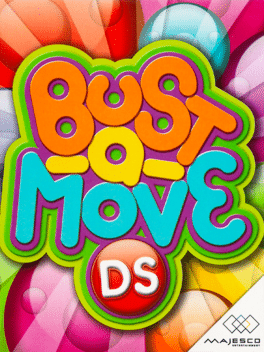
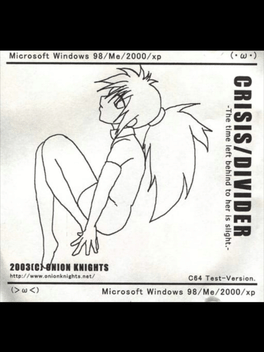
star 6.3Bust-A-Move DS brings all of the bubble bursting, puzzle fun onto the Nintendo DS. This time Bub and Bob return to center stage as they fling bubbles from the bottom screen to the top in an attempt to match 3 bubbles causing them to pop. With a multiplayer mode allowing 5 people to play via the Nintendo DS' wireless link, this Bust-A-Move will prove to be the ultimate battle party game.Crisis/Divider
2006
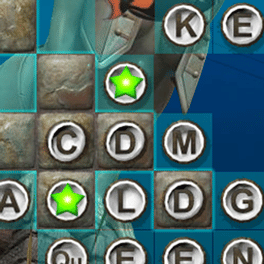
Big Kahuna Words
2006
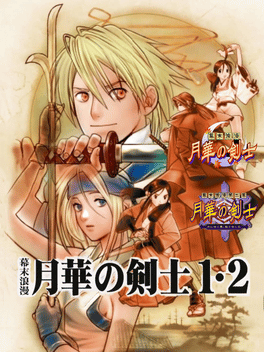
Bakumatsu Roman: Gekka no Kenshi 1+2
2006
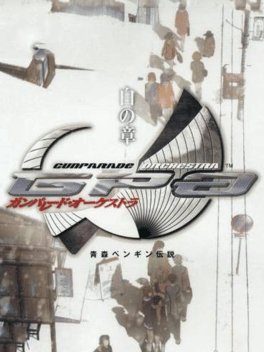
This is a compilation of the two games in The Last Blade series released by SNK Playmore only in Japan.Gunparade Orchestra: Shiro no Shou
2006
Gunparade Orchestra White Chapter ~Aomori Penguin Legend~ (ガンパレード・オーケストラ 白の章 〜青森ペンギン伝説〜) is a Japanese game co-developed by io-spiral, Dice Corporation and Alfa System. It was the first of the Gunparade Orchestra game trilogy released for PlayStation 2 on n January 12, 2006.The Legend of Heroes III: Song of the Ocean
2006
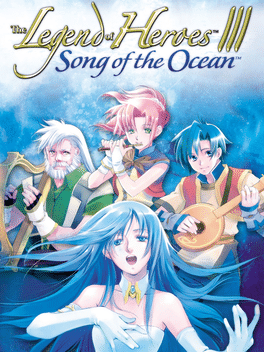
star 5A remake of The Legend of Heroes V: Umi no Oriuta, later localized for North America in 2007 under the title, "The Legend of Heroes III: Song of the Ocean." The trilogies titles have been changed in North America to match a mistake in the title of previously released games. Because of this the trilogies order was mixed up. This takes place in Weltluna, the third realm in Gagharv, seven years after "A Tear of Vermillion" and forty-nine years before "Moonlight Witch". It centers around Forte, Una and McBain and their quest in seeking Leone's Resonance Stones.Enchanted Arms
2006
Enchanted Arms
2006
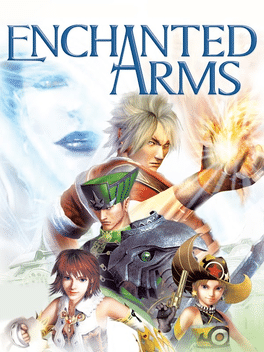
star 7.1An action adventure role-playing game that has a linear storyline with a somewhat open world to travel through and explore. Along with 4 main playable characters mix your team up with over 100 collectable creatures scattered throughout the game. Uses a turn based battle system with each side on its own 3 by 4 square grid area across from each other. Characters can move a set number of squares on the grid each turn and skills have different area of effect patterns.Sega Rally 2006
2006