New Games - Page 11967

Subterranean Siege
2002
Subterranean Siege
2002
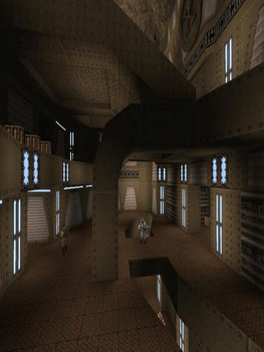
Evolved from a speedmapping session, this is a large-ish Q1SP decked out mainly in IDbase textures with plenty of natural rocky sections. A chain map by Misyu, Vigil, necros and Xen. The map source is included.ReVolution
2002
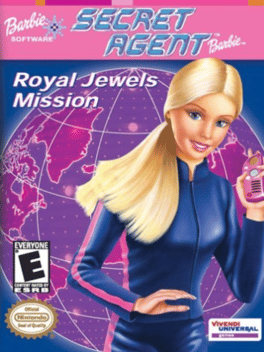
Secret Agent Barbie: Royal Jewels Mission
2002
Secret Agent Barbie: Royal Jewels Mission is an Action game, developed by Digital Illusions and published by VU Games, which was released in 2002.Whacked!
2002
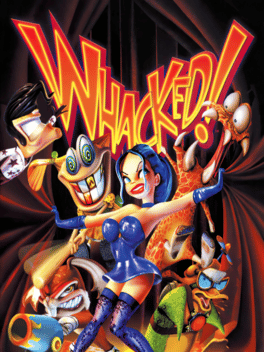
Whacked!
2002
star 5In Whacked! you are one of seven demented contestants competing on a dangerous game show. Pitted against each other in free-for-all combat, contestants must use power-ups and weapons, such as giant staplers and rubber ducky grenades, to flatten their opponents. The game's various modes have you fighting to collect resources, fending off a horde of man-eating chickens, or exchanging blows in fierce deathmatches. There are more than a dozen levels--including an arctic pipeline, a Christmas tree, and a kitchen sink--for you to conquer.NBA 2K3
2002
NBA 2K3
2002
star 7NBA 2K3 is a basketball video game released on October 7, 2002 for the Nintendo GameCube, October 8, 2002 for the PlayStation 2, and October 9, 2002 for the Xbox. It was published by Sega and developed by Visual Concepts. It is a part of the NBA 2K series. Again, like the previous games, Allen Iverson of the Philadelphia 76ers is the cover athlete. This is the last game in the series to be released for GameCube and the fourth installment in the series overall.Godzilla: Destroy All Monsters Melee
2002
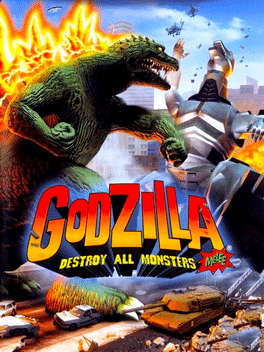
star 6.8Godzilla: Destroy All Monsters Melee is a fighting game developed and published by Pipeworks Software, Inc. for the Nintendo GameCube in 2002. The game was later released for Game Boy Advance as Godzilla: Domination!. A version for the Xbox with additional content was released in 2003. A PlayStation 2 version was planned, but later cancelled.Ty the Tasmanian Tiger
2002
star 6.9G'day, Mate. Explore the wilds of Australia with TY the Tasmanian Tiger, the charming Aussie platformer. Stone the crows! Are you ready to explore the wilds of the Australian Outback in this remastered version of the classic game, TY the Tasmanian Tiger? Join TY on a ripper of an adventure to free his family from the dreaming and stop the nefarious evil genius boss cass from removing mammals from the top of the food chain. To help you on your quest, you've got a beaut arsenal of boomerangs, sharp teeth, and the help of a few friends!Street Legal
2002
Dual Blades
2002
Dual Blades
2002
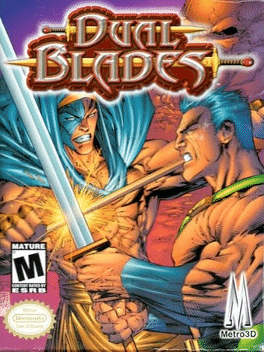
It is 150 B.C. amidst the Hun Empire. You must possess the power to slay your enemies and execute insane combos. The fearsome Alperen has harnessed incredible energy by merging his soul and the immortal sword to create the legendary weapon of Dual Blades. Survive battle after battle and face the ultimate test to topple Alperen, gain the sword and become immortal!Blinx: The Time Sweeper
2002
star 4.6Blinx: The Time Sweeper is a platform game developed by Artoon and published by Microsoft Game Studios. It was released for the Xbox on October 7, 2002. A sequel, Blinx 2: Masters of Time and Space, was released for the Xbox in 2004.NBA Live 2003
2002
NBA Live 2003
2002
star 7.2The 2003 version of the NBA simulator has improved graphics in relation to the previous installments and features like detailed faces and a player design engine. It also has rosters in accordance to the 2002-2003 Season. The game features more than 30 new rebound animations worked out by motion capture sessions, different passing styles and blocks and a frame rate of 60 frames per second. As usual, a complete fantasy draft is included and multiplayer support is present.Zoids VS
2002
Zoids VS
2002
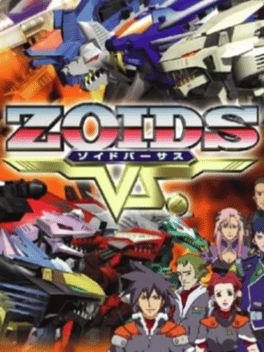
star 2.2The first incarnation of the Zoid Vs series, released in Japan in 2002. The game was noted for its ragdoll-like movement when Zoids were hit back or killed. In this game, the Battle Mode is limited to only one set, meaning that no matter what character the player chooses, the battles are all the same. That said, the Battle Mode features characters and Zoids from Chaotic Century, New Century, and the Zoids VS story lines.Search & Rescue 4: Coastal Heroes
2002
It's hard to improve on something great, but when the Coast Guard calls, you have to answer the challenge! Search & Rescue: Coastal Heroes is the newest installment of the successful Search And Rescue franchise, and is bringing you back into the fray as a heroic Coast Guard officer, entrusted with the daunting task of rescuing ordinary people caught in extraordinary circumstances. Search & Rescue beginners and helicopter fans alike will love this latest creation in a classic series, that gets you as close to the real experience of flying Coast Guard rescue missions as you can, without actually sitting in the cockpit.J.League Pro Soccer Club wo Tsukurou! Advance
2002
J.League Pro Soccer Club o Tsukurou! Advance is a Sports game, developed by Smilebit and published by Sega, which was released in Japan in 2002.