New Games - Page 12902

Nazo Puyo
1993
Nazo Puyo
1993
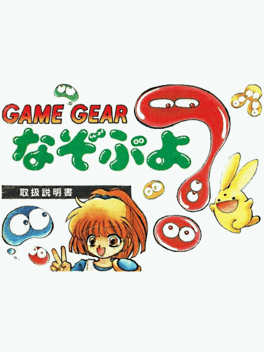
Nazo Puyo (なぞぷよ) is a 1993 game for the Sega Game Gear by Compile spinning off Puyo Puyo. It was released exclusively in bundles with specially marked Game Gears in Japan (hence its price tag) and would go on to receive two sequels on the Game Gear (the latter receiving two sequels on the Super Nintendo Entertainment System) and many PC-98 games (one retail, the others as part of the DiscStation series) and would be retooled as the Puzzle Mode of the 8-bit version of Dr. Robotnik's Mean Bean Machine.Tagalon
1993
Tagalon
1993
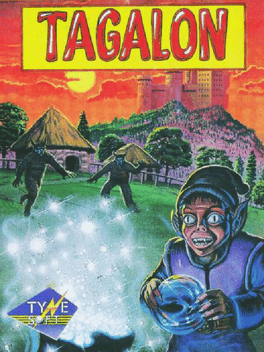
Tagalon is an action arcade game. The player's task is to find the largest possible number of jewels and a key to the castle. The search takes place around the castle and its courtyard. The seeker encounters on his way other knights, peasants and skeletons. The player can find a variety of items, such as a bomb, shield or extra energy. But the greatest skill is the avoidance of contact with the enemy. The player may carry only one item at the same time. Picking up a new object means loss of the old one.The Trolls in Crazyland
1993
Winky's girlfriend, Kiki, has suddenly disappeared. When Winky learns that Kiki is imprisoned in the Amusement Park Crazyland, he decides to free her. When entering the park, Winky senses that something is quite rotten. In order to find Kiki, he has to cross the entire park, which means he has to ride a roller coaster and use his fire balls and other useful tools to eliminate the hostile comic figures that stand in his way. Enter the exciting world of trolls and enjoy the attraction of your life in this totally crazy Crazyland adventure on NES! The game is a rebranding of Doki! Doki! Yuuenchi: Crazy Land Daisakusen.Pyramid Patrol
1993
Pyramid Patrol
1993
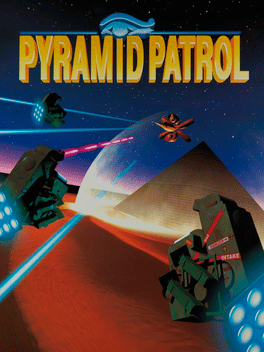
Pyramid Patrol is a very traditional FMV-based rail shooter. The player's ship and small enemies are sprites, while the stages are presented using full-screen FMV stored as laserdisc video. Pyramid Intruder, the 3DO port, improves on the original game by switching from a first-person perspective to a behind-the-ship view in order to make it possible to dodge enemies; it also adds new realtime 3D levels in between the original levels.Kamen Rider SD: Hashire! Mighty Riders
1993
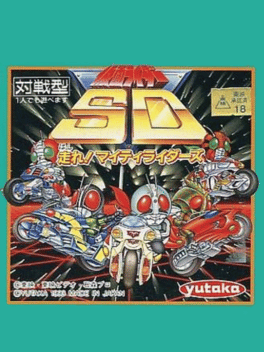
Race against generations of Kamen Rider! -Kamen Rider 1- -Kamen Rider 2- -Kamen Rider V3- -Kamen Rider Riderman- -Kamen Rider X- -Kamen Rider Amazon- -Kamen Rider Stronger- -Kamen Rider Skyrider- -Kamen Rider Super-J- -Kamen Rider ZX-Socket
1993
Socket
1993
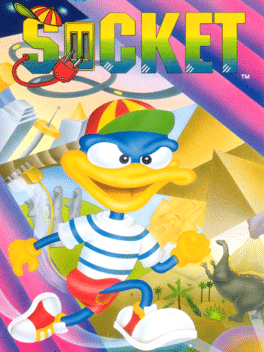
Who is this Socket and where is he going so fast? He's a duck with an attitude, and he's taking himself and his electric cord toil anywhere he needs to be. Socket is one bad duck. He's so fast that he can turn out the lights and get out of the room before it gets dark! He's got more alternating current than the electric company and more moves than Air-What's-His-Name. Plug into Socket for a little AC buzz and some fast times!Dune: The Battle for Arrakis
1993
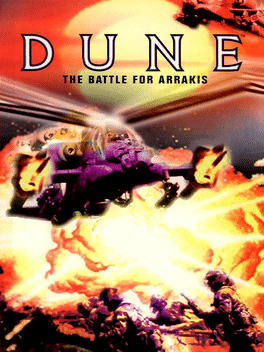
star 8.9The completely overhauled Mega Drive version of Dune, including new graphics, new features, new levels, technology tree changes and streamlined controls.Sylvester & Tweety in Cagey Capers
1993
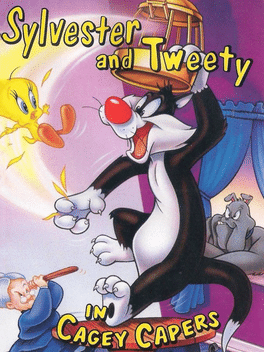
star 7.7This legendary Looney Tunes duo make their video game debut - and what a performance! The eyepopping, cartoon like animation and ribtickling shenanigans seem never ending as you twy, twy, twy and twy again to swipe the little Tweety - with cat-astrophic results!High Seas Havoc
1993
High Seas Havoc
1993
star 7.9High Seas Havoc, known in Japan as Captain Lang, was also for arcade machines running on a Sega Mega Drive/Genesis based cabinet.Shin Nippon Pro Wrestling: Chou Senshi in Tokyo Dome - Fantastic Story
1993
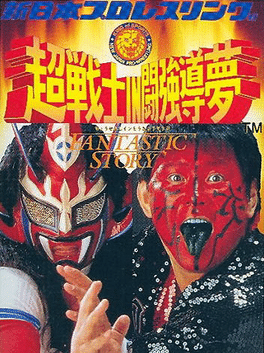
A wrestling game based on the New Japan (Shin Nippon) Pro-Wrestling circuit. It is the first game in the Shin Nippon Pro Wrestling series.Chitty Chitty Train
1993
Chitty Chitty Train
1993
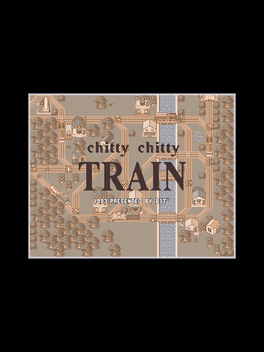
Chitty Chitty Train is a puzzle game about coordinating trains. Guide your train to pick up all passengers and reach the exit without colliding with other trains or obstacles. The game also contains a level editor to modify levels.Super Keiba
1993
Super Keiba
1993
Super Keiba is a Sports game, published by I'Max, which was released in Japan in 1993.Ushio to Tora: Shinen no Daiyou
1993
Ushio to Tora: Shinen no Daiyou is a Role-Playing game, developed by Pixel and published by Yutaka, which was released in Japan in 1993.Momotaro Thunderbolt
1993
Momotaro Thunderbolt
1993
Momotaro Dengeki: Momotaro Thunderbolt is an platformer, published by Hudson, which was released in Japan in 1993. It follows the famous Japanese folklore of Momotaro the peach boy.Top Gear 2
1993
Top Gear 2
1993
star 5.7This third-person racing game resembles Gremlin's earlier Lotus series, in terms of its general look and feel, right down to the text font used in the game. Your task is to race through 16 countries, each of which features four races, with many real-world circuits recreated in incongruous locations (such as the Monza layout in Ayers Rock, and the old Hockenheim in Vancouver). These four-race blocks each represent their own mini-championship, in which you race against 19 cars, needing to finish in the top 10 to continue, and with the top 6 scoring points 10-6-4-3-2-1, and the respective amount of money in thousands. This can be spent on various upgrades, ranging from engine to tires (wet and dry) and from shocks (front, side and rear) to gearboxes. The ideal approach is to buy the more expensive versions ASAP, as you get no saving when upgrading. If you win the four-race championship, you get the next password. You get a set amount of nitro boost to use during each race, although bonus nitros, money and instant spSuper Caesars Palace
1993
Super Caesars Palace
1993
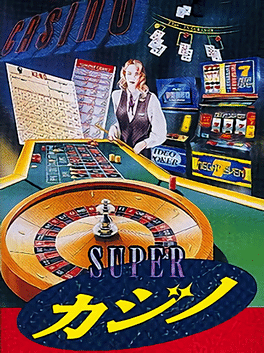
star 5.1Super Caesars Palace is the upgraded sequel to the original Caesars Palace for the NES. This version features nine different games to choose from: Blackjack, Keno, Roulette, Scratchers, Horse Racing, Red Dog, Craps, Video Poker and Slot Machines, each with their own degree of difficulty and strategy. Once a player reaches a sufficient amount of funds, they can then go to the V.I.P. room and play more high stakes versions of these games to either win big or lose big. To add more realism, the player can also visit ATMs to draw more cash for playing in case they are running low on on-hand cash. It also has a password feature that will allow the player to pick up and continue their game at a later time.Sword World SFC
1993
Sword World SFC
1993
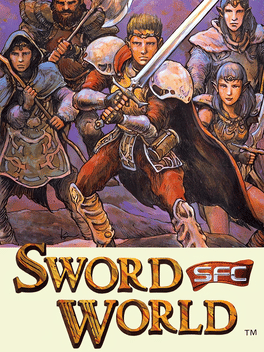
A Super Famicom adaptation of the Japanese table-top RPG Sword World. It faithfully replicates much of the table-top game's ruleset, and was eventually followed by a sequel.Dragon Ball Z Gaiden: Saiya-jin Zetsumetsu Keikaku
1993
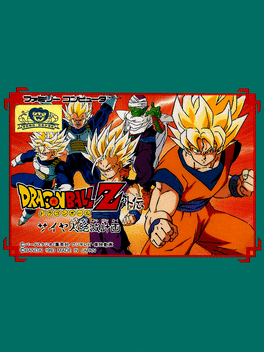
star 6.6You control five various Dragon Ball characters in this game: Son Goku, Son Gohan, Piccolo, Vegeta, and Future Trunks. The game is based on training your characters, and fighting with them. The outcomes of the fights are determined by the player choosing different cards he has at his disposal, and combining them to create various attacks.Dynamic Country Club: 3D Golf Simulation
1993
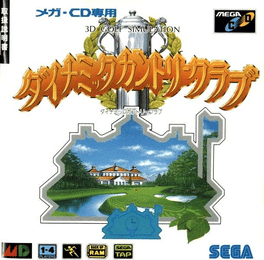
Dynamic Country Club is a 1991 arcade golf game by Sega released on Sega System 24 hardware. Both floppy disk-based and ROM board-based versions of the game exist. The game presents itself in a pseudo-3D setting a la T&E Soft golf games like Pebble Beach Golf Links where the screen slowly redraws itself at certain intervals in your swing. A game with the same name for the Sega Mega-CD was produced, but only released in Japan. Whether or not this is the same game is unknown.Kunio's Dodgeball Time, C'mon Guys!
1993
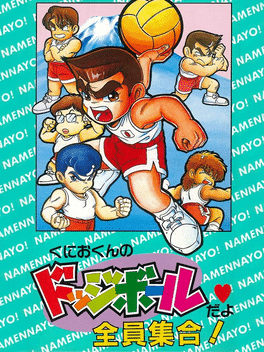
Okay, listen up! Nekketsu High Dodgeball Club has proven themselves once before on the world arena, but now, the stakes are higher! We got to go out there again and show why Nekketsu High is the greatest team in the world. Lead us to victory, Kunio! Kunio-Kun no Dodge Ball Dayo Zennin Shuugo! is the Super Famicom sequel to the original Dodgeball for the Famicom, "Nekketsu Koukou Dodgeball-bu".