New Dos Games - Page 351

Leitstellensimulator
2011
Leitstellensimulator
2011
Leitstellensimulator, LstSim for short, offers the opportunity to playfully slip into the role of a dispatcher at a german rescue control center. The game interface is a greatly simplified replica of programs used in control centers for the scheduling of emergency operations and patient transports.Ambulance Simulator
2011
Ambulance Simulator
2011
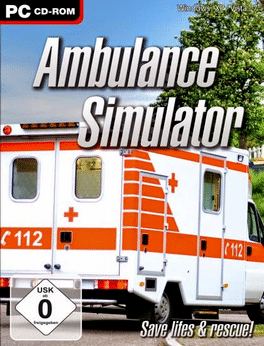
You are responsible for the ambulance and all emergency operations in your city. With so many people in a city a lot can hap- pen. The results are at best small emergencies that are easily and quickly manageable, such as sports injuries or children with high fever. However in consequence of accidents where several vehicles are involved or accidents with big machines, or es- caping toxic substances from factory outlets big operations are on the agenda too. At any time, the emergency doctor has to be on the spot and it is up to you, to prevent the worst – to help and administer first aid locally and to take the injured persons to the hospital.Jessica's Bow Wow Bistro
2011
Jessica's looking to expand her cupcake shop by dishing up premium pet treats! Get her Bow-Wow Bistro booming by baking yummy delights for pets and their owners. Dazzle guests with decadent décor and a kitschy kitchen where culinary creations appease the palates of people and pets. Master your time management skills and fetch lots of cash to earn upgrades and expand your shops. Create a menu of healthy, tasty treats to achieve big rewards in this 'off-the-leash' time management game.Bus & Cable Car Simulator
2011
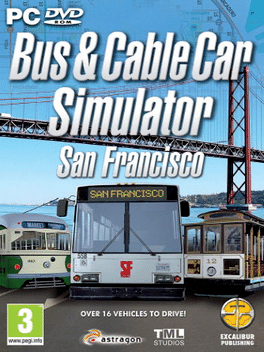
Welcome to San Francisco! A metropolitan area in California on the west coast of the United States. Apply to the public transport and take place behind the wheel of a bus, articulated bus, trolleybus, cable car or even the trams. Altogether you have 16 highly detailed and animated vehicles at your disposal. Guide them through the huge, freely explorable game world. Discover hundreds of typical streets with their original slopes. Take on the everyday tasks of a public transport operator and use the many functions in the cockpit to meet the timetable on time. Always pay attention to the fuel gauge and condition of your bus. Take special tasks to fill up your pocket money and earn you one or the other reward.Tiny Tower
2011
Tiny Tower
2011
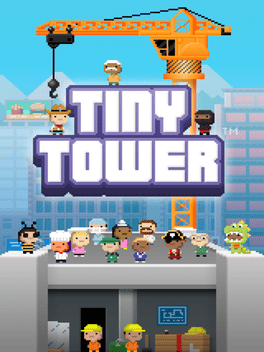
star 7.9Tiny Tower is a business simulation video game. The game tasks players with managing a tower filled with virtual people, referred to as "bitizens", with the goal of building new floors and gradually making the tower taller, attracts bitizens to move in and work in any floor the player designates.Petz Fantasy 3D
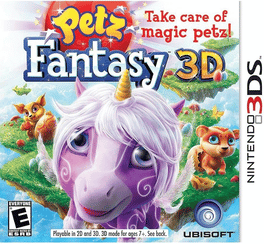
2011
Zombie Life
2011
Woodcutter Simulator 2011
2011
The smell of tree resin is in the air when Woodcutter Simulator 2011 is started. Here the player is the master of a modern wood processing plant and is allowed to take over pithy tasks – feel as if you were in Canada's forests yourself.Cities in Motion: Design Now
2011
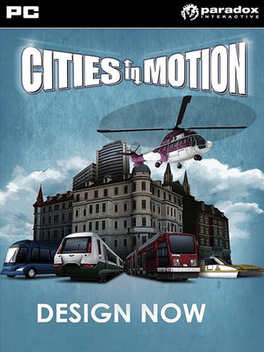
Design Now adds five brand new transit options to Cities in Motion. Increase speed, efficiency and capacity with these vehicles: - Stern-Berger Midi - A product of Swiss standard in solid quality and innovative looks, Midi is a bus primarily intended for dense urban areas. Its light weight, rather short wheelbase and low flooring enable easy maneuvering and boarding. - Pavlov P-42 - Pavlov Aeronautika factories were established as part of the Pavlov enterprises in the mid-1910s. Ivan Pavlov, a pioneer in rotorcraft design, himself piloted the P-42 on its maiden flight. Originally designed for anti-submarine warfare use, it soon became immensely popular in air taxi business as well. A robust helicopter with relatively low empty weight and slow acceleration, it is especially suited to cover mid-distance passenger and goods transportation needs. - Stingray Cityjet - The Stingray Cityjet is a fast short-distance catamaran of Australian origin. Recently announced third generation of these vessels have high fuel efficienTrain Simulator: Bristol-Exeter Route Add-On
2011
One of the main routes of the old Great Western Railway, the Bristol - Exeter line is 85 miles long and dates back to the 1840s.Artificial Academy
2011
Artificial Academy
2011
star 7.7Artificial Academy (ジンコウガクエン, Jinkou Gakuen) is an eroge high school social simulation, spun off from Illusion's Artificial Girl series, released by Illusion on June 10, 2011. Create and play any of up to 25 students of varying gender, orientation and other interaction abilities and personal inclinations. Make friends and lovers as the class competes for achievement in academics, athletics, popularity, and romance. A sequel, Artificial Academy 2 (ジンコウガクエン2, Jinkou Gakuen 2), was released on June 13, 2014.Kinect Fun Labs: Build A Buddy
2011
Bring your stuff to life! Scan in your favorite object, create a personality, mix in your own voice and watch your buddy spring into action. Interact with your buddy and create a video to send to your friends and family!Cities in Motion: Tokyo
2011
Cities in Motion: Tokyo is a new addition to the city-based mass transportation simulation game Cities in Motion. You must build a reliable and efficient transit system while playing through an all new campaign with four different scenarios. Start in the 1970's and experience four decades of all new vehicles and challenges. Or make the city your playground in the included sandbox mode. With 7 new vehicles and the new Monorail vehicle type you are sure to transport the masses.DCS World: A-10C Warthog
2011
star 9.2"DCS World: A-10C Warthog" is a PC simulation of the U.S. premier Close Air Support attack aircraft. This is the second aircraft in the DCS series, following DCS: Black Shark, and raises the bar even higher in the DCS series. Warthog brings the most realistic PC simulation of a modern fixed wing combat aircraft in regards to flight dynamics, avionics, sensors, and weapon systems. You also have the option to play Warthog in "Game" mode for a casual game experience. Fly missions in the Caucasus region of the Black Sea against and with a wide array of air, land and sea forces with new and improved intelligence. Create your own missions and campaigns with the included Mission and Campaign Editors, and fly with and against friends online using the included online game browser.Papa's Taco Mia!
2011
Papa's Taco Mia!
2011
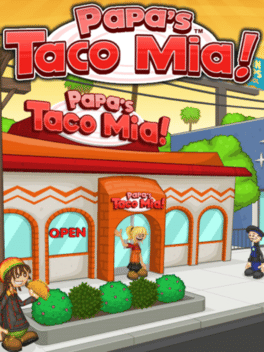
So what happens when an Italian chef opens a successful Pizzeria and Burgeria? Build the biggest, wackiest Taqueria anyone has ever seen! After winning a taco eating contest, you're awarded the keys to Papa's Taco Mia! Good luck though, because all your favorite customers are back, and they brought friends. Unlock all sorts of ingredients and upgrade your shop for style and speed. Try to please those picky Closers, and mystify Jojo the food critic with your wild taco making skills!Cities in Motion: Design Marvels
2011
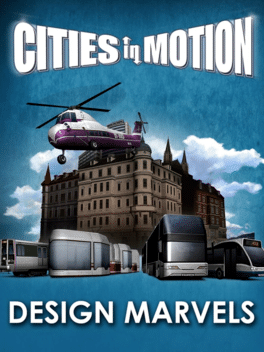
Design Marvels adds five brand new transit options to Cities in Motion. Increase speed, efficiency and capacity with these vehicles: Dino Vettore - The flagship of a vehicle North Italian company, Vettore is one of the largest buses ever produced. It provides two floors of comfortable seating with stairs in the front and rear.Zoo Resort 3D
2011
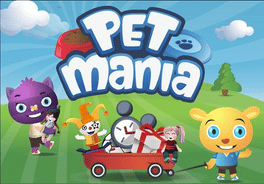
Pet Mania
2011
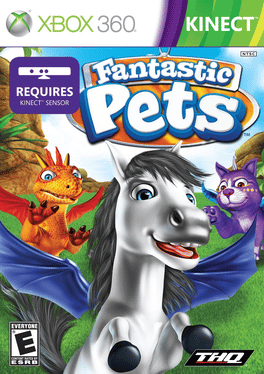
Fantastic Pets
2011
Fantastic Pets
2011
star 6.5A pet simulator for Kinect on Xbox 360, developed by THQ. Players choose from a dog, a cat, a horse or a lizard and customise from there...X-Plane 11: Aerosoft - CRJ 200
2011
The Canadair Regional Jet CRJ-200 is a short-range, single-aisle commuter jet and with 1021 built units the most popular regional jet today. The JRollon CRJ-200 brings this famous airliner to the simulator known for its accurate flight dynamics.