New Dos Games - Page 388

Big Oil: Build an Oil Empire
2006
Big Oil leads you into times of the oil industry pioneers. Start your career in one of the historical scenarios or face the challenge of modern times. Found your very own company and lead it to the biggest oil imperium on earth. Whether in single-player or multiplayer, demonstrate your strategic ability to become the next "Anaconda" Rockefeller of the BIG OIL world. Build an oil empire. Turn crude to cash. Seventeen historical and modern scenarios from the beginning of the 20th Century until today. Challenging game modes such as historical scenarios, easy or advanced mode, single-player or multiplayer up to 6 players. Extra class graphics with the 3D-Oxygene-Engine. Over 300 different buildings and vehicles out of 3 centuries. Exact historical events such as earthquakes, wars and other catastrophes with direct influence on your company. Complex simulation of real cities like Los Angeles with job market, infrastructure and schools.Densha de Go! Pocket: Toukaidousen-hen
2006
Densha de Go! Pocket: Toukaidousen-hen is a split port of the Densha de Go! Pocket line to the PlayStation Portable, all of which are based on parts of Desha de GO! FINAL: - Densha de Go! Pocket: Toukaidousen-hen (loosely translated to "Go by Train! Pocket: Tōkaidō Line Edition") was released on July 27, 2006, including only the Tōkaidō Main Line.Tamagotchi Connection: Corner Shop 2
2006
star 6.1Tamagotchi Connection: Corner Shop 2 features all new shops such as the Bowling Alley and Sushi Bar, as well as old favorites like the Flower Shop and Concert Hall.Ura Jinsei Enjoi! Tamagotchi Plus
2006
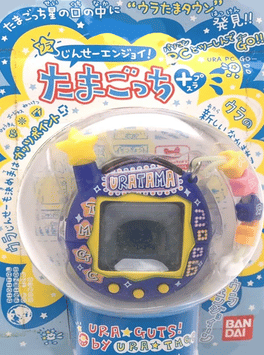
The Ura Jinsei Enjoi Tamagotchi Plus, also known as the Uratama is a Tamagotchi release that was released in Japan on July 22, 2006. It is a themed rerelease of the Chou Jinsei Enjoi Tamagotchi Plus, featuring the Ura Tamagotchi, a subspecies of the Tamagotchi race that live in Uratama Town, a city located inside Tamagotchi Planet's mouth where it's always night. The Uratama is distinguished from the Entama by its star-shaped antenna tip, star-shaped beads, and unique blue LCD screen.Bubble Wrap DS
2006
Bubble Wrap DS
2006
A virtual bubble wrap for the DS, made with PALib. Who doesn't love to pop bubble wrap? So why not pop it on the go with your DS?Shaberu! DS Cooking Navi
2006
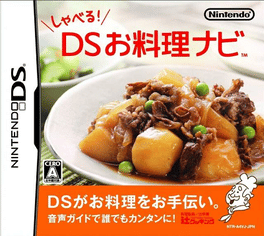
A cooking menu software for the Nintendo DS. The title of Shaberu! DS Cooking Navi only appears on Super Smash Bros. Brawl, since the game wasn't released outside of Japan.Roller Coaster Mania 2
2006
In RollerCoaster Mania 2 the player can build and ride a roller coaster. The game starts on an empty landscape which the player can use to design his roller coaster. The game uses a drag & drop interface for connecting the different parts, When he is done the player starts the 3D simulation part of the game and chooses where he wants to sit. The he rides it in a first person view while using different camera angles - this is if the roller coaster doesn't break down. The player has to consider physical regularities for his design. There are no missions or managerial aspects.Wildlife Zoo
2006
Wildlife Zoo
2006
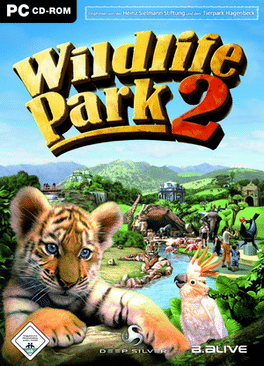
Wildlife Park 2 is a sequel to Wildlife Park, first released in 2006, and published by B-Alive. It was developed by Deep Silver exclusively for the PC.Nintendogs: Dalmatian & Friends
2006
star 6.6With Nintendogs, you can put a puppy inside your Nintendo DS. Pick from multiple breeds, ranging from Labradors to Dalmatians, and then take care of and train the puppy using the touch screen and microphone. If you train your puppy well enough, you can compete in dog shows and agility contests to unlock other items and puppy breeds.DarkStar One
2006
DarkStar One
2006
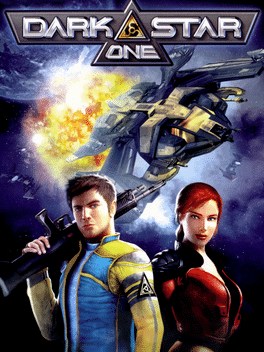
star 7.4Dark Star One combines the popular elements of a business simulation, a role-playing game and an action game to an epic space experience! An exciting story, full of intrigue and inter-stellar conflict are the main pillars of a multiple number of missions to survive on Dark Star One!Doko Demo Issho: Let's Gakkou!
2006
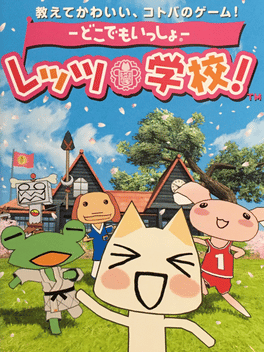
Doko Demo Issyo: Let's Go to School! is a video game developed by BeXide and published by Sony Computer Entertainment Inc. It was released on June 15, 2006 for the PlayStation Portable.Russel's Animal Kwackers
2006
A web based taxidermy system for you to make special animals and stuff... something may be happening deep down in the bowels of Kong Studios... so the time is right to assist Russel in building up an army of beasts!...Pokémate
2006
Pokémate
2006
Pokémate was a mobile phone application which allowed players to send messages to other people on the user's friend list or chat with them. Players could select and capture Pokémon to keep in the storage feature of the application. They could also subscribe to the game in order to receive more Pokémates, Poké Balls, and other media. The game was only distributed in Japan. However, it was presented in the United States during the 2006 E3 summit. The service was discontinued in January 2008.Dòngwù Sēnlín
2006
Dòngwù Sēnlín
2006
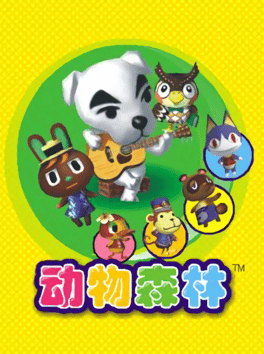
Released five years after the Nintendo 64 counterpart, the iQue Player version of Doubutsu no Mori changed some events, items and text to reflect the Chinese culture, replacing some of the collectibles while adding some new ones.Doko Demo Issho: Toro's Story App
2006
Doko Demo Issho: Toro's Story App was a mobile game made by Bexide and Sony Computer Entertainment Inc., which was released on May 18, 2006.The Dog: Happy Life
2006
The Dog: Happy Life
2006
The game features realistic dogs that can be dressed up in accessories and photographed and played with in various ways. It was developed by Yuke's. The Dog: Happy Life is similar and is known to be compared to Nintendogs for the Nintendo DS. The game includes a feature that allows the player to take pictures of the virtual dog and share it on other devices like cell phones by transferring it to a PC. The game came out in April 2006 in Japan only. The format of this game is intended for a single player. The game type is considered to be a simulation, and is exclusive to the PSP console.