New Simulator Games - Page 379

Steel Fury: Kharkov 1942
2007
star 8A historically accurate and realistic tank simulation. Developed by Graviteam and published by Lighthouse Interactive and released in December, 2008.Sea Monsters: A Prehistoric Adventure
2007
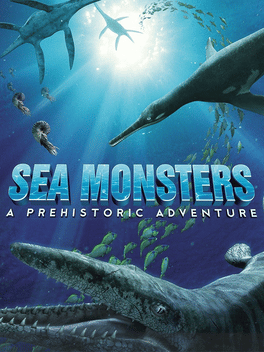
DS Port of "Sea Monsters: A Prehistoric Adventure" In the oceans of earth millions of years ago, danger was never far away and monsters lurked in every shadow. Experience this astounding world by playing as six different prehistoric marine reptiles, each with special skills – from extreme speed to thick armor and powerful crunching jaws. Start your adventure in an area of inland sea that will only get more dangerous as time passes. Take on foes, hunt for prey and unlock hidden challenges. Your goal is to find a way to truly escape these waters. How to accomplish your escape is something you’ll have to figure out on your journey. Now take control of your first Sea Monster and begin your adventure! Control 6 different prehistoric sea monsters. Each of the six sea monsters is completely unique. Six unique zones in the underwater environment. Play as both the hunter and hunted.Eigo wo Taberu Fushigi na Ikimono
2007
A pet sim like game where you're this girl that has to take care of this alien marshmallow cat thing and try to help it get back homeSea Monsters: A Prehistoric Adventure
2007
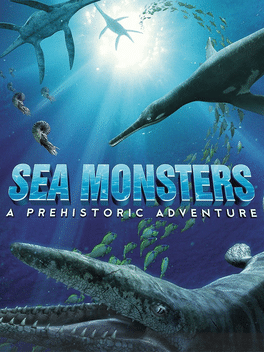
star 4In the oceans of earth millions of years ago, danger was never far away and monsters lurked in every shadow. Experience this astounding world by playing as six different prehistoric marine reptiles, each with special skills – from extreme speed to thick armor and powerful crunching jaws. Start your adventure in an area of inland sea that will only get more dangerous as time passes. Take on foes, hunt for prey and unlock hidden challenges. Your goal is to find a way to truly escape these waters. How to accomplish your escape is something you’ll have to figure out on your journey. Now take control of your first Sea Monster and begin your adventure! Control 6 different prehistoric sea monsters. Each of the six sea monsters is completely unique. Six unique zones in the underwater environment. Play as both the hunter and hunted.Imagine: Fashion Designer
2007
See all your designs in 3D and keep them in your own virtual walk-in closet. Free yourself from predefined patterns and create original pieces that YOU design.Zoo Hospital
2007
Zoo Hospital
2007
star 5You've graduated from veterinary college not a moment too soon! Your Aunt Lucy just called from the world famous Zoo Hospital she manages because she needs your help! A local property magnate, Gordon Grimm, is eyeing the zoo’s land as the potential site for a profitable mini-golf course. Under Aunt Lucy’s tutelage it’s now up to you to help restore the zoo to its former glory by treating its ailing inhabitants, improving its rating and attracting new exotic animals that will in turn attract the crowds!Imagine: Master Chef
2007
Imagine: Master Chef
2007
Imagine Master Chef allows players to create recipes from all over the world using the stylus to prepare, stir and cook ingredients. Players can customize their kitchens with utensils and appliances. Fun mini-games include cooking quizzes and kitchen challenges. Bon appetit!Microsoft Flight Simulator X: Acceleration
2007
star 7.9Microsoft Flight Simulator X: Acceleration is an expansion pack for Microsoft Flight Simulator X. This expansion pack brings new multiplayer race mode, 20 new missions, six new scenery maps including the Red Bull Air Race courses and three new planes (F/A-18A Hornet, EH-101 Helicopter and P-51D Mustang).WWII: Battle Over Europe
2007
WWII Battle Over Europe is the sequel to Pacific Warriors II: Dogfight set during the European theater of World War II. The game is played from a third person perspective in and lets the player control a fighter plane from either Germany or Britain. Both the British RAF and German Luffwaffe have their own campaign in which the player will battle over Britain and Normandy among others. Players will take on enemy aircrafts as well as ships on the sea. The game offers fifty missions and can be played on three difficulty levels: rookie, veteran and elite. The battle for control of the skies during wartime Europe produced many heroes. Now it's your chance to fly alongside those World War II aces, battling for dominance across the skies of Britain, Normandy and beyond. The skies of Europe are yours to defend. It's time to do your duty!Winner's Circle
2007
Puppy Luv: Spa and Resort
2007
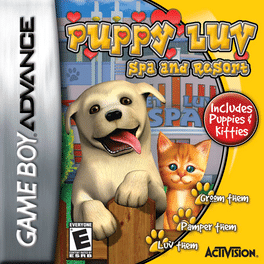
Tend to the everyday needs of your puppy and kitty guests. Rid them of those pesky fleas. Groom, bathe and feed your pet guests to keep them happy. Pamper your VIP guests to earn extra money in order to move on to bigger and better 5 star resorts!Seaman 2
2007
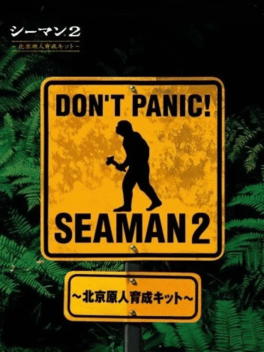
Seaman 2
2007
Seaman 2: Pekin Genjin Ikusei Kit is a virtual pet video game for the PlayStation 2. It's a sequel to Seaman on the Dreamcast. In this game, players act as god of a miniature island, charged with the task of rearing Gabo, a 20-centimeter tall Peking Man, communicating through a custom microphone-equipped gamepad.My Fashion Studio
2007
My Fashion Studio
2007
Open your own fashion studio and become a famous trendsetter You take on the role of a young woman who wants to conquer the world of fashion, starting as an intern and ultimately opening your own fashion studioRail Simulator
2007
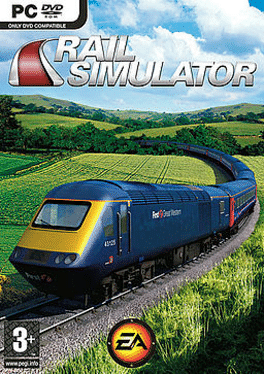
Rail Simulator
2007
star 6.5Rail Simulator is a train simulation game developed by Kuju Entertainment and published by EA. Players can drive modern and classic trains on a variety of real routes and also create and share new content using editors.Imagine: Animal Doctor
2007
Imagine Animal Doctor (known as Imagine: Pet Vet in PAL regions) is a video game by Ubisoft that allows young children to take the place of a vet, take care of animals, and diagnose illnesses. This game allows the player to take care of cats, dogs, rabbits, pigs, and horses. The player of the game starts with an introduction of what you will be doing, and how to get help. The main idea is to get very well known and heal as many animals as possible. Starting with cats you will examine the different types of animals listed above then heal and return them to their owners. In return, you will gain money and proceed onto your next goal.Dolphin Island
2007
Dolphin Island
2007
Players care for aquatic animals while attempting to prevent the game's eponymous marine park from being demolished. Dolphin Island is a game that will teach children/players how to respect animals & nature.Burger Shop
2007
Burger Shop
2007
star 7Make burgers, shakes and more in this exciting food-making game that has been enjoyed by millions of fans everywhere.Top Gun
2007
Top Gun
2007
Top Gun is an action game relased by Blast Entertaiment in 2007 for the Playstation 2 console and is the second based on the movie of the same name. Prove your skills at the Top Gun flight school before taking on dangerous enemies for real! Can you handle the pressure? Check everything from the F14's altitude to its weapons, and hit the afterburner for a breathtaking speed boost! Select different missiles, bombs and mines depending on the task ahead!Zoo Tycoon 2: Arabian Nights
2007
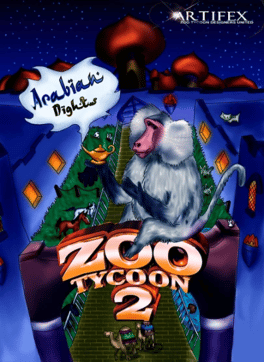
Zoo Tycoon 2: Arabian Nights is a user-made expansion pack (mod) for the 2004 video game Zoo Tycoon 2 designed by the Artifex team.Build-A-Lot
2007
Build-A-Lot
2007
star 7Send the housing market through the roof as you build, buy, and sell houses in the new strategy game, Build-a-lot! You can flip houses for quick cash or sit back and watch the rental income pile up. Become a real estate mogul as you visit scenic towns, earn huge profits and perform special favors for the colorful local mayors. Can you build a new cinema for the local movie star? Build a new ice rink for the Olympics? Install a bowling alley in the Mayor’s Mansion? No problem! There’s plenty to do and lots of fun ahead in Build-a-lot.