New Simulator Games - Page 378

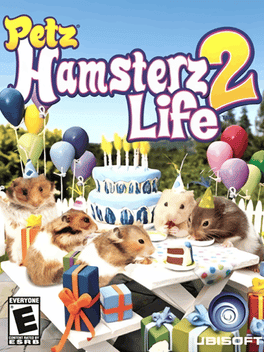
Petz: Hamsterz Life 2
2007
Hamsterz Life 2 features more than 90 different hamsters for hours of fun with your Petz! Each hamster will get attached to you slowly, as you take care of it and play with it. Create and customize your hamsters' cages, play lots of mini-games and let them meet their fellow friends. Thanks to the Nintendo wireless system, you will be able to see your friends' pets and even trade your own hamsters!Horse Life
2007
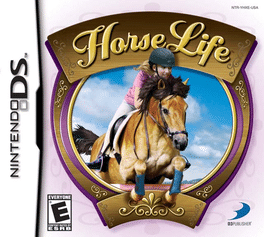
Horse Life
2007
GAME DETAILS Your Horse, Your Friend, Your Champion! It’s the ultimate dream, a horse to call your own. Learn what it takes to become a champion, keep your horse happy and fit by feeding, cleaning and riding him. Then get ready to compete. You’ll earn prestige, money to buy your horse treats, and unlock the ultimate dream horse! Select the horse of your dreams from three breeds and give your new foal a name Learn the basics of riding, jumping and caring for your horse Compete in events like cross country, dressage, and jumping Earn money to spend at the store and purchase riding outfits, equipment or special treats for your horse Earn prestige awards to unlock in-game bonuses, including an additional horse breedCampus
2007
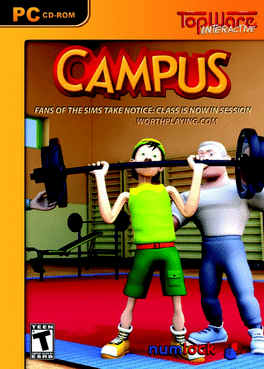
Campus
2007
Campus is a balanced mix of campus lifestyle simulation and a wide variety of quests and tests which lead to one of the goals of this game - make a career in science and get rich. Your character starts out at a campus somewhere in England. During the course of the game, you will fly to other countries to complete your education and missions there. You will acquire friends who will help you to deal with problems. Study well and you will achieve much success in science. And if you try really hard, you will foil perfidious plans of a nefarious international organization and even receive a Nobel Prize.Crazy Pig
2007
Crazy Pig
2007
Pet raising simulator, where you take care of a piglet. Take care of it's needs and play various minigames.Artificial Girl 3
2007
Artificial Girl 3
2007
star 6.7Artificial Girl 3 is an eroge (hentai game) and is the sequel to Artificial Girl 2. The gameplay involves being a guy and living a life with one or many girls (whose various characteristics are set by the player). The game is considered by the playerbase to be one of Illusion's finest games.Lovely Lisa
2007
Lovely Lisa
2007
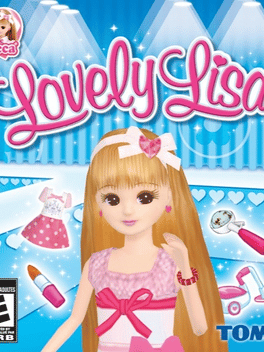
Lovely Lisa helps younger girls learn the importance of having fun and working hard while earning your way to your own fashion style! Earn Lisa-points by perfecting your beauty skills and techniques, helping out around the house and even learning what it takes to become a successful career girl! Providing a well-rounded approach to beauty and fashion, Lovely Lisa rewards girls with gorgeous accessories, original clothes and fabulous hairstyles and make-up! Prove you’ve got what it takes in the Heart Hills pageant-with-a-difference! Only the girl with the best skills in all categories can win – because after all, beauty is only skin deep! - Fashion Sense: Polish nails and add your own touch with sparkly accessories, apply make-up and coordinate with the perfect hair style! - Design and customize! Use the DSi camera to snap shots and customize Lisa’s outfits! - Mini-games: Dance your socks off in the idol game or learn to play the piano - Family values: Help mom with shopping and cooking or even help dad to puTamagotchi Connection V5 Familitchi
2007
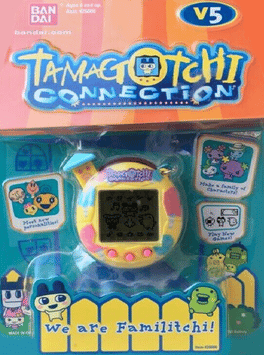
The Tamagotchi Connection Version 5 "Familitchi" is the sixth model in the line of Tamagotchi Connection virtual pets. The Japanese edition was released on November 23, 2007, and globally as the V5 Familitchi in January 2008. Unlike the previous Tamagotchi Connection releases after the V1, the V5 is a functionally identical to its Japanese counterpart. A new feature is that you can raise Tamagotchi Families, with up to 3 kids, and on Generation 2 or higher, two parents.MTV Fan Attack
2007
Chocolatier 2: Secret Ingredients
2007
Another simple trading game where players buy chocolate materials and create and sell finished chocolate. Help save Baumeister confections from bankruptcy...again!Trauma Center: New Blood
2007
star 8.2Keep your hands steady and your mind focused for Trauma Center: New Blood, sequel to Trauma Center: Second Opinion. This time around there's a lot more on the line, as every cut of the scalpel, every pinch of the forceps, each and every second that ticks by is of the absolute greatest importance. If you think it's too much to handle alone, invite a friend to assist with the operation and work together to save patients from flat lining.Baby Pals
2007
Baby Pals
2007
Baby Pals is a simulation-style video game. The objective of the game is to take care of a virtual baby by feeding, bathing, and teaching just like a real father or mother would do.Imagine: Fashion Designer
2007
You are a designer for the Princess Factory, a brand new fashion design studio in New York. Keep your ears and eyes wide open to the next hot trends to create successful collections and become Manhattan's hippest designer.Cooking Mama 2: Dinner With Friends
2007
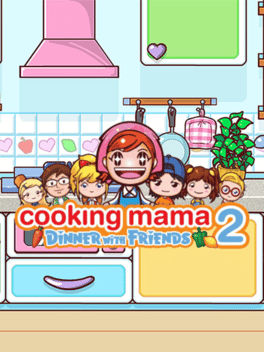
star 7.3As in the original The Cooking Mama, players in The Cooking Mama 2: Dinner with Friends, prepare various culinary dishes using the Nintendo DS's touch screen. Following the on-screen instructions of the titular "Mama", the player uses the stylus to perform various activities such as chopping vegetables or mixing ingredients. Each of these tasks is performed by completing a short minigame, with a number of minigames strung together to form an entire dish from a catalog of 80 different recipes. After completing a dish, the player's cooking performance is evaluated and given a numerical score (out of 100) along with a corresponding medal. Failing to accomplish a step in Let's Cook mode or getting a "fail" within steps (in various ranges), the player will receive a "Broken Silver" medal, in which the medal is similar to that of the Silver medal with an addition: a crack. Unlike in previous Cooking Mama titles, bonuses earned during minigames do not influence the overall score, but instead accumulate as "bonus stars".Shrek: Ogres and Dronkeys
2007
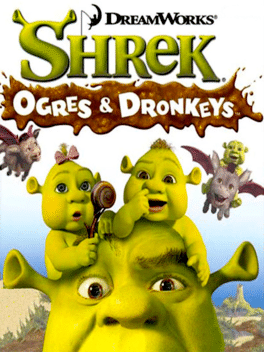
star 7Shrek and Fiona's energetic triplets appear along side Donkey and Dragon's playful offspring, the dronkeys, exclusively on the Nintendo DS. This game gives handheld gamers the chance to train, play and explore with their mischievous new friends on wild adventures throughout the hilarious world of Shrek.Paws & Claws: Dogs & Cats Best Friends
2007
In "My Best Friends: Dogs & Cats," you have the unique opportunity to play with and cuddle Dalmatian, Husky, German Shepherd and Retriever puppies and Siamese, Maine Coon, British Blue and Domestic cats. Teach them lots of crazy tricks, and form a team that will win prizes both in the beauty contests and the obstacle course competitions. Train to perfection and become best friends!Star Carrier
2007
Zoo Vet: Endangered Animals
2007
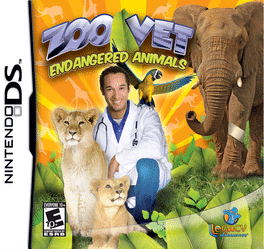
A follow-up to Vivendi Universal's 2004 educational simulation Zoo Vet.