Most Popular Sport Games - Page 228

Junior League Sports
2010
Junior League Sports
2010
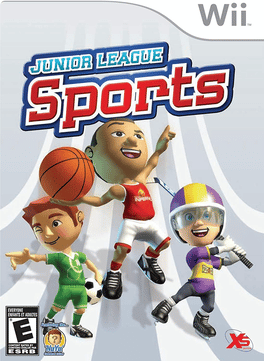
The game is split into 3 sections Basketball, Ice Hockey and Soccer. The Game visuals are set in a cartoon/childlike environment. Each game revolves around playing an informal game of the sport. The game does not attempt a realistic simulation, or implement all the technical rules of the sports. The Game lets the player challenge an AI team or play head to head against a friend. Good play generates SKILL points that allow team members to pull-off spectacular cartoon-style moves, such as extended jumps, and super shots leaving a trail of stars that are guaranteed to go in. Single player Mode offers a knock-out cup and a league where every team will play every other team, and the one with the most points at the end comes top.Shawn Johnson Gymnastics
2010
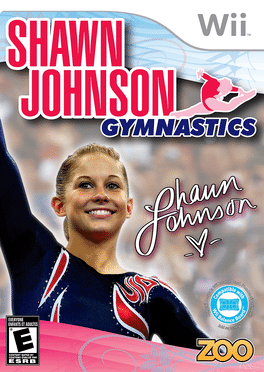
Compatible with the Wii Balance Board, Shawn Johnson Gymnastics offers a truly realistic experience in the following gymnastics events: floor exercise, vault, balance beam and uneven parallel bars. Featuring the guidance and voice of Olympic gold medalist, all-round champion and "Dancing with the Stars" winner Shawn Johnson, the game invites up to eight players to train and compete in the exciting world of professional gymnastics. Aspiring gymnasts can work their way from amateur to champion as they master gymnastics maneuvers on four apparatuses, including uneven bars, balance beam, floor, and vault. Featuring exclusive bonus content of Shawn Johnson that players can unlock by perfecting routines, the game allows players to experience the thrill of this inspirational sport right in their own living room and includes a choreograph editor for creating and planning out routines. Shawn Johnson Gymnastics for the Wii, lets players utilize the Wii Remote and Nunchuk to compete and execute routines, while the pressureSummer Sports 2: Island Sports Party
2008
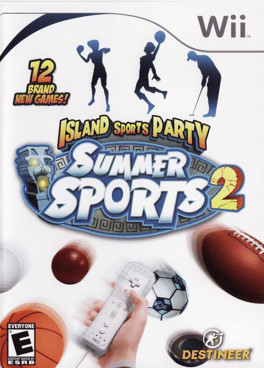
The cool island breeze is calling your name! Join the Summer Sports crew to take on all new sports challenges in Summer Sports: Island Sports Party. Create your own island party as you play 12 distinct games: Bocce Ball, Archery, Basketball, Football Toss, Mini-Golf, Shuffleboard, and more.Mountain Sports
2009
Mountain Sports
2009
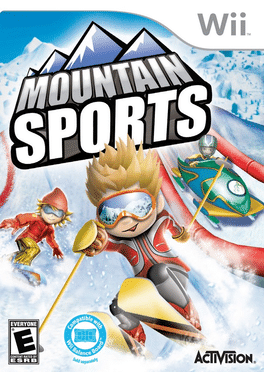
Mountain Sports includes a variety of thrilling high-impact outdoor activities: skiing, snowboarding, tobogganing/tubing, bobsledding, curling and the biathlon. All of the sports except curling give players the option to hop on the Wii Balance Board for intuitive fun, carving up the slopes as they strive to become the Winter Sports Festival champion. Sit on the board to navigate the slippery bobsled course, or turn the board sideways and go for big air on the slopestyle snowboarding event! Players can also choose to use the Wii Remote to outmaneuver and blast past the competition, using full-body motion. The game is both intuitive and fun, and with four-player support, everyone can get in on the frosty action.Kevin Van Dam's Big Bass Challenge
2010
Compete in tournaments with expert advice from KVD himself as you angle for largemouth, smallmouth and spotted bass. Be careful though - these fish are ready for a fight, so choose your lure wisely or you could end up with an empty boat and wounded pride. Master your approach, and you'll be giving KVD a run for his money!Cyberbike
2011
Cyberbike
2011
Discover the very first video game that comes with an exercise bike-have fun while pedalling! Cyberbike introduces a brand new way to do sports in your living room. The game invites you use your eco-citizen's head and legs to clean up the planet. Clear paths and roads of the sources of pollution that are ruining the environment as you cycle along on some of the most improbable vehicles ever imagined-on land, sea and air. Using the bike included with the game, players are able to ride through 18 different circuits. As you progress, numerous accessories are unlocked to customise your vehicles and equipment, such as new backpacks and new vehicle colours.Family Party: 30 Great Games
2009
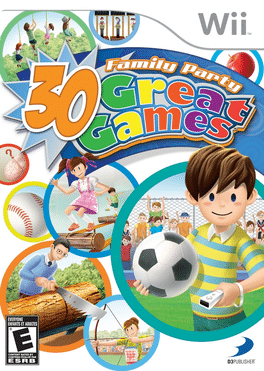
Family Party for Wii gives you 30 reasons to celebrate with 30 Great Games everyone can enjoy! Pick from 12 playable characters and frolic through a vibrant and colorful world you can't help but enjoy. Test your speed and athletic skill in hurdles and sprints, on an obstacle course, and in the high jump. Take aim in carnival games that use lasers and bows and arrows. Show off your strength in barrel tossing, rope climbing, and log tossing. Hit the playground for schoolyard fun with jump rope, a game of catch, and more. Multiple game modes offer turn-based and all-together play for one to four players.NewU Fitness First Mind Body, Yoga & Pilates Workout
2011
NewU Fitness First Mind Body addresses the needs of your mind and your body with the Yoga and Pilates workout using a range of breathing and relaxation techniques. It will include a full and customisable program of exercises demonstrated by real personal trainers through videos and audio voiceover.Pool Hall Pro
2009
Pool Hall Pro
2009
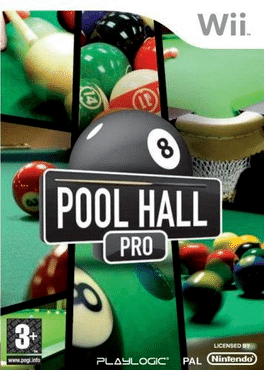
From amateurs to pool sharks can jump right into Pool Hall Pro to begin a competitive and entertaining journey across the globe on a mission to earn fame, fortune and the title of pool champion! The game features one of the widest arrays of pool and snooker in the world, including everything from basic pocket billiards to U.S. 8 ball and 6 ball snooker, there are up to 11 different varieties to be precise! You can also access six modes of game play, including arcade, tournament, multiplayer and more. Compete against the pros in single player mode, or make a name for yourself as travel the world earning cash and unlocking collectables in world tour mode.PDC World Championship Darts 2009
2009
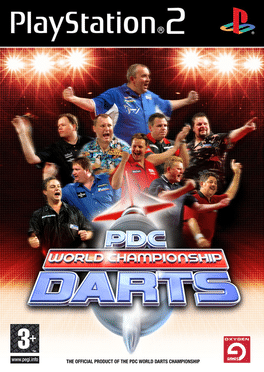
PDC World Championship Darts 2009 is a sports video game, published by Oxygen and developed and designed by Rebellion Developments. It was released for the Nintendo DS and Wii on May 29, 2009. The game features eighteen professionals from the Professional Darts Corporation. The game includes a Create-A-Player mode, which for the first time, players can create a female dart player to use in both Career Mode and Exhibition Mode. There is also a practice mode. It is a direct sequel to the previous year's game, PDC World Championship Darts 2008.Yetisports: Penguin Party Island
2010
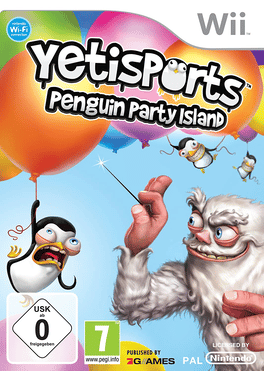
Yetisports: Penguin Party Island, what do the penguins do when they are not being abused by the Yeti as sports equipment? They throw themselves off cliffs with parachutes, fly pelicans in a race, drift on rafts down raging rivers, or climb cliffs. Travel to Penguin Party Iceland and let rip! Alone or with up to three friends you can take part in nine wacky competitions that are worthy successors of the Yetisports flash games.Dance Party: Pop Hits
2009
The Dance Party games feature music from two different genres to appeal to a broad audience, including classic tracks from leading artists like "Black and Gold" - Sam Sparro, "The Creeps" - Camille Jones, "Cry For You" - September, "Push The Button" - Sugababes, "Some Kinda Rush" - Booty Luv and "Murder On The Dance Floor" by Sophie Ellis Bextor.Dance Party: Club Hits
2009
The Dance Party games feature music from two different genres to appeal to a broad audience, including classic tracks from leading artists like "Black and Gold" - Sam Sparro, "The Creeps" - Camille Jones, "Cry For You" - September, "Push The Button" - Sugababes, "Some Kinda Rush" - Booty Luv and "Murder On The Dance Floor" by Sophie Ellis Bextor.Big League Sports: Summer
2009
Put your athletic skills to the test! Beat the best in a variety of all-star skill challenges to become the ultimate champion! Football, Baseball, Volleyball, Soccer, Tennis, Golf.Backyard Baseball
2002
Backyard Baseball
2002
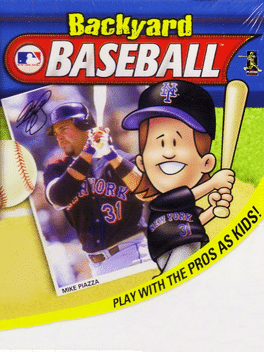
In Backyard Baseball for the Gameboy Advance, create the baseball team of your dreams! It's great baseball action with the backyard kids and real pro players as kids. Pick your team, choose logos and playing fields. Play single games, an entire season or Home Run Derby. It's the chance of a lifetime to play with the pros right in your own backyard. Play single Games or a whole season, choose from all 30 Major League Baseball teams, create, save and trade custom players, practice your swing in the Home Run Derby, and track player and team stats in Season play. Also features a two-player multiplayer mode when linking up two Game Boy Advance units via a link cable.Backyard Football 2002
2001
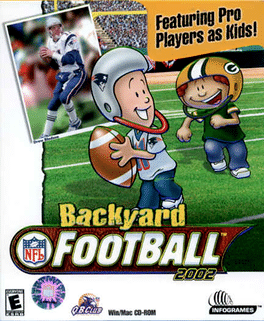
Backyard Football 2002 was developed by Humongous Entertainment and published by Infogrames in 2001 for Windows and Macintosh. In this game, one can play as their favorite National Football League stars as kids. The goal of the game is to lead a team to Cereal Bowl glory. Updated versions of the game were published yearly on various platforms through Backyard Football 2006.Rugby World Cup 95
1994
Rugby World Cup 95
1994
The official game of the 1995 IRB Rugby Union World Cup in South Africa. Featuring all 20 international teams that took part in the World Cup including the All Blacks of New Zealand and the Springboks of South Africa, as well as an EA All Stars team and a few other minor rugby nationsFace Off!
1989
Face Off!
1989
Face Off! is a hockey game where you can play an exhibition game, an entire season or go straight to the playoffs and lead your team to the Stanley Cup. For the basic hockey gameplay a traditional side view is used, but whenever you or your opponent shoots at the goal the game switches to the special Shot Cam view. Occasionally when someone commits a nasty foul the game turns into a one-on-one fighting game; he who wins the fight can stay on the ice while the loser must spend some time in the penalty box.Family Mini Golf
2009
Family Mini Golf
2009
Test Your Golfing Mettle Against The Family! Daddy, Mommy, Sarah, and Billy are back for some mini-golf action! Play through multiple golf courses that contain obstacles ranging from bumpers to speed ramps to fans and more! Up to eight players can play with one another using a single Wii Remote! See who among all your friends is truly the best at tackling every course. You can download new courses to continue the fun-filled mini-golf experience. They up the ante, creating even more complex and difficult mini-golf courses to overcome. Can you conquer all the courses and become the mini-golf champion!?Beach Fun Summer Challenge
2009
Beach Fun Summer Challenge is an Action game, published by Zoo Games, which was released in 2010.