New Ps Games - Page 63

The Beatles: Rock Band
2009
star 8.6The Beatles: Rock Band is a 2009 music video game. It is the third major console release in the Rock Band music video game series, in which players can simulate the playing of rock music by using controllers shaped like musical instruments. The Beatles: Rock Band is the first band-centric game in the series, and it is centered on the popular English rock group the Beatles. The game features virtual portrayals of the four band members performing the songs throughout the band's history, including depictions of some of their famous live performances, as well as a number of "dreamscape" sequences for songs from the Abbey Road Studios recording sessions during the group's studio years.Guitar Praise: Expansion Pack 1
2009
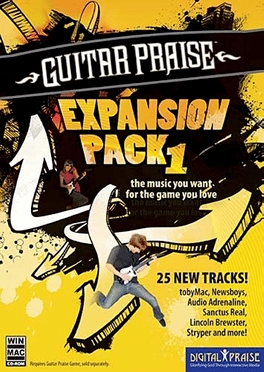
The first expansion pack for Guitar Praise, featuring 25 new songs from artists such as tobyMac, Audio Adrenaline, Sanctus Real, Lincoln Brewster, Stryper, and more.RockFree
2009
RockFree
2009
RockFree was a browser-based 2D rhythm game from Acclaim. Players could create a rocker and play along to match the notes in a Guitar Hero style with a selection of tracks. Cover versions of popular songs from several decades were available, and players were able to have three tracks in their library at any given time. In addition to solo mode, RockFree also allowed players to compete against others for dominance in rock battles of up to eight. The game's upload system let players upload their own tracks to play along with, even letting others try them out. RockFree was free-to-play with microtransactions available.Guitar Hero 5
2009
Guitar Hero 5
2009
star 7.6Guitar Hero 5 (initially referred to as Guitar Hero V) is a music rhythm game and the fifth main entry in the Guitar Hero series. The game was developed by Neversoft and published by Activision, and released internationally in September 2009 for the Xbox 360, PlayStation 2, 3 and Wii consoles. Similar to the preceding title, Guitar Hero World Tour, Guitar Hero 5 is geared towards playing in a four-person band experience, including lead and bass guitar, drums, and vocals. The game is available as a standalone title, allowing players to use existing compatible instrument controllers, and as a bundle that provides these controllers. Guitar Hero 5 adds several new features, such as drop-in/drop-out play, bands composed of any combination of available instruments, a Rockfest competitive mode consisting of several various scoring mechanisms, and both song-specific and general Challenges to unlock new avatars, clothing, and other extras in the game. Many of these changes were added to make the game a more social experiencSingStar: Mallorca Party
2009
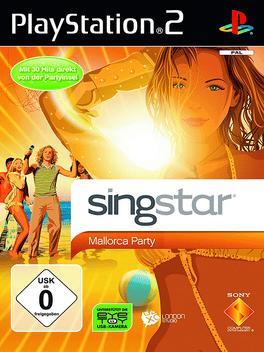
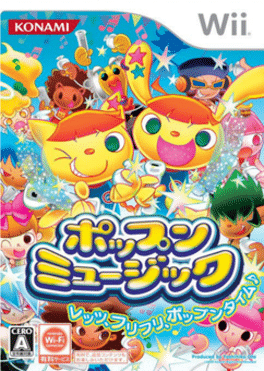
SingStar: Mallorca Party is a karaoke game exclusively released in Germany. I features 30 German songs which are meant to be consumed along with a lot of alcohol. There are no changes to the gameplay formula: player(s) sing into a microphone and the game gives points based on the performance. The only basis of assessment is if the correct note is hit with the correct timeing; the sung words or octave does not play into the result.Pop'n Music
2009
Jubeat Ripples
2009
Jubeat Ripples
2009
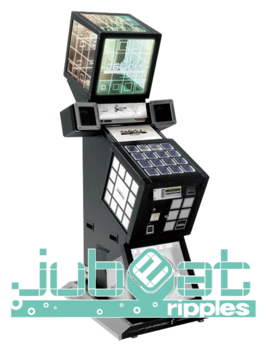
jubeat ripples is the second game of the popular 4x4 grid arcade rhythm game series by Konami.Guitar Rock Tour
2009
Guitar Rock Tour
2009
With Guitar Rock Tour you can perform the guitar and drum tracks of the most popular worldwide hits on your NintendoDSi and live the most explosive musical experience on the DSi! Targeted for all audiences, Guitar Rock Tour features solo and multiplayer modes where beginners can have loads of fun right from the start and fans of music games can discover plenty of nuances.Karaoke Joysound
2009
Rock Band: Country Track Pack
2009
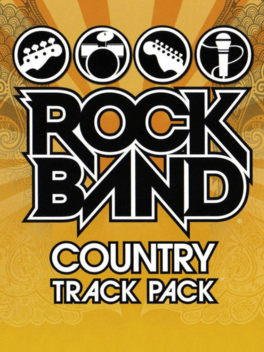
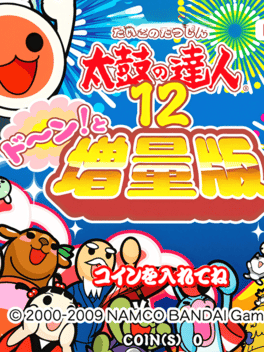
star 8.5Rock Band Country Track Pack is a standalone game that wraps up 21 country songs into one retail package. The songs are a collection of previously released DLC, as well as new tracks that have yet to appear in any Rock Band game.Taiko no Tatsujin 12 Don-! to Zoryoban
2009
Taiko no Tatsujin 12.5 (the widely accepted short form of the 12 Zoryoban machine) was released in July 2009, a month after Asia 12. It's not a fully new version, instead 12.5 succeeds at what the original Taiko 12 failed to do- provide compelling reason to come back to the arcade to play compelling new songs. 'Zoryoban' means 'expanded version' which is very true, as it included a whopping 145 songs on debut and 155 after all the secret codes were revealed, a far cry from the minimalist approach by the original. 12.5 is almost completely different from 12 in terms of fun.Hatsune Miku: Project Diva
2009
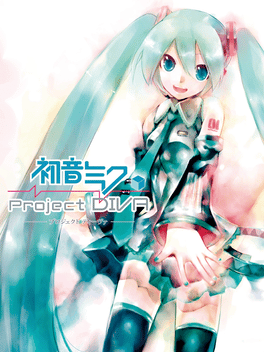
star 7Hatsune Miku: Project Diva is a rhythm game and the first game in the Project Diva series. The game primarily makes use of Vocaloids, a series of singing synthesizer software, and the songs created using these Vocaloids most notably the virtual-diva Vocaloid Hatsune Miku. The game is the first video game to utilize the Vocaloid software developed by the Yamaha Corporation. In addition, Sega has released Hatsune Miku: Project Diva Dreamy Theater, a downloadable game on the PlayStation Network for the PlayStation 3. It allows players to play Project Diva on the PlayStation 3 with updated visuals though it requires the PlayStation Portable to be plugged into the PlayStation 3 via a USB cable.Fantasic Tambourine
2009
Guitar Hero: Smash Hits
2009
star 5.5Guitar Hero Smash Hits is the best of Guitar Hero music, now for the full band! Rock out to the most fun tracks from Guitar Hero, Guitar Hero II, Guitar Hero: Rock the 80's, and Guitar Hero III: Legends of Rock, now for the full band. Using the controllers strum, drum, and belt out a collection of master tracks including Nirvana, Judas Priest, Slayer, Rage Against the Machine, Queen, and many more. Titled Guitar Hero Greatest Hits in Europe and Australia.Tap Tap: Lady Gaga Revenge Edition
2009
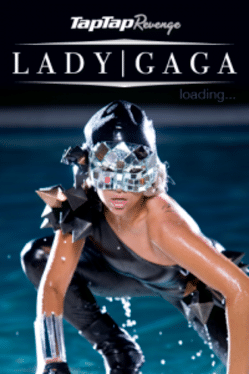
Lady Gaga Revenge is a game in the Tap Tap franchise featuring Lady Gaga songs.Rock Band Unplugged
2009
Rock Band Unplugged
2009
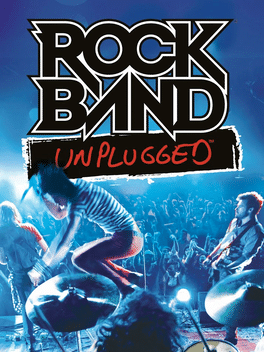
star 6.9Rock Band Unplugged is an expansion of the Rock Band series of music video games. Game modes are similar to Rock Band's, and the soundtrack includes a number of songs that have already been a part of the Rock Band series. Additional tracks will be a time-limited exclusive to Unplugged before they are released as downloadable content for the console games.Rock Band Track Pack: Classic Rock
2009
Rock Band Track Pack Classic Rock is a standalone title that allows owners of Rock Band and Rock Band 2 to keep the party going with 20 seminal hits from the heyday of classic rock and beyond, hand-picked with care by Harmonix.Imagine: Music Fest
2009
Imagine: Music Fest
2009
You’ve just scored a chance to attend the premier Music Fest, where you’ll be in charge of creating a band, designing their look, and putting on a rockin’ concert! Design your band's logo, customize the look of their instruments, hair, and wardrobe, and earn cash to buy cool new clothes and accessories for your band!SingStar: Pop Edition
2009
star 7.2SingStar Pop Edition is a karaoke game featuring pop songs from the last thirty years and is the first to use the Voice Control, allowing players to jump to their favorite song by saying the name of the artist or the title of the song in the microphone.Leaf Trombone: World Stage
2009
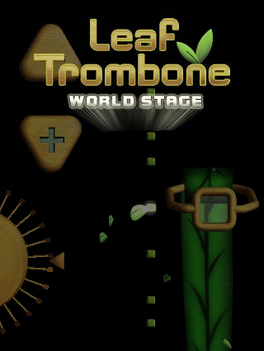
Leaf Trombone World Stage is an instrument, a game, and a huge global social experience. You can blow into your iPhone, or use touch mode with iPod touch to make beautiful music. It's that easy! You can practice your favorite songs as much as you like. Then when you feel ready, strut your stuff by performing on the World Stage, Smule's revolutionary new platform where Leaf Trombone lovers around the world can listen to and score your playing. Leaf Trombone was discontinued in April 2012.