New Pc 9800 Series Games - Page 14

Air Combat II
1991
Caramel Quest: Meitenkyou no Megami-zou
1991
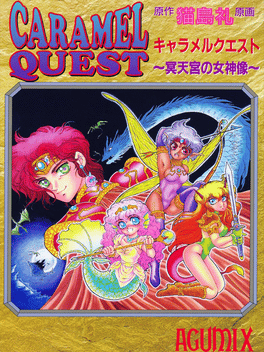
Long time ago, during the celestial war between the light and the dark heavenly realms, a beautiful goddess statue was sent to promote peace between the realms. However, the dark side used the statue for the opposite purpose. In the end, powerful magic was needed to shatter the statue and finally starting the era of peace. However, the spirit of the goddess is about to be resurrected. Many years later, the young prince Toffeel is dreaming of a present for his birthday, but is sent by his strict father on a mission to exterminate monsters. Soon he becomes involved in the greatest adventure of his life...Aiza: New Generation
1991
Aiza: New Generation
1991
Somewhere on the continent of Fandell, there is a kingdom known as Wineslem. For hundreds of years, this kingdom has been enjoying a peaceful life. Its inhabitants make wine from the country's fine grapes, and merchants from all over the world travel there. But the era of piece has come to an end. An evil force that was asleep for thousand years has awakened. Ferocious monsters and terrible disease plague the kingdom. One day, a Wineslem girl named Elphie finds an unconscious young man on the lake shore. He doesn't remember anything about his past. But with his outstanding skills, he might become the savior people are waiting for. Aiza is an action RPG, somewhat similar in layout to Ys games. However, the combat requires the player to actively press the "attack" key (unlike the "bumping" combat in Ys). Defeated monsters bring experience points, which contribute to the hero's automatic leveling up. Beside physical attacks, the hero can also execute special techniques which require "psyche" points.Cal II
1991
Cal II
1991
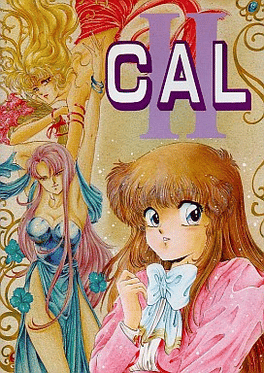
You are Wataru Ishibashi, a high-school student in modern Japan. Up until recently you led a normal life, enjoying the relationship with your lovely girlfriend Mika. But short before the graduation ceremony, you had a strange vision that you first believe to be a dream. But when you are contacted by Venus, the goddess of love, you realise Mika was abducted by Aeon, the goddess of time, and transferred into the Realm of Time. You must now travel to the legendary dream world of beautiful goddesses and bring Mika back.Aktie
1991
Aktie
1991
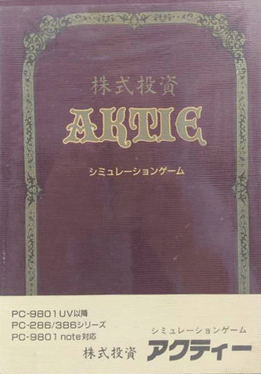
Aktie: Kabushiki Toushi Simulation Game is a business simulation game, developed and published by Fuga, which was released in Japan in 1991.Rune Worth 2: Jikuu no Shinsen
1991
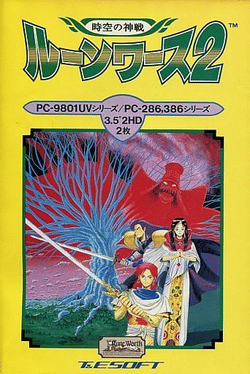
Rune Worth 2: Jikuu no Shinsen is a Role-Playing game, developed and published by T&E Soft, which was released in Japan in 1991Disc Station 98 #2
1991
Disc Station 98 #2
1991
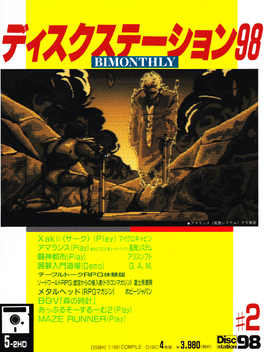
This edition also includes Toushin Toshi (+18) and a demo for Gokichi-kun Series: Igo Nyuumon Doujou.Apple Sauce Room 2
1991
Maze Runner
1991
Grand Prix Circus 2
1990
Grand Prix Circus 2
1990
A grand prix racing game which happens in (simple) 3D and allows you to significantly customize your car.Regional Power
1990
46 Okunen Monogatari: The Shinka Ron
1990
46 Okunen Monogatari: The Shinka Ron (fan translated as E.V.O.: The Theory of Evolution) is an RPG, about one step more primitive than the Dragon Quest games published by the same company. You control one character as they progress through the different eras of life on planet Earth, fighting turn-based battles with damage being based on stats that you control directly. Once you’ve pushed a stat to its uppermost limit, your character evolves into a completely different creature with different abilities in battle. The story itself is somewhat similar to Search for Eden, but much more fleshed out with a lot of different stories for each era that the game explores. And while Search for Eden ends with humanity as the pinnacle of evolution, The Theory of Evolution goes a bit further into the future…Span of Dream
1990
Amaranth
1990
Disc Station 98 #1
1990
Disc Station 98 #1
1990
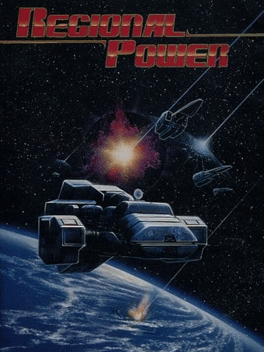
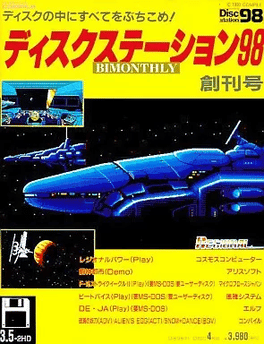
Early Disc Station entry. Includes demos for Regional Power and Toushin Toshi.Sword of Destruction
1990
Alien's Egg
1990