Most Popular Handheld Electronic Lcd Games - Page 117

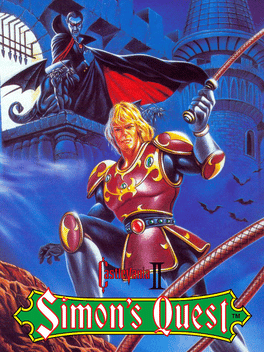
Castlevania II: Simon's Quest
1989
A Tiger Electronics' watch version of Castlevania II: Simon's Quest. The gameplay barely resembles the original from Simon's Quest, so it could be considered a separate game. It was preceded by a more in-depth version in LCD handheld format. It was released in 1988.Castlevania II: Simon's Quest
1988
A Tiger Electronics handheld interpretation of Castlevania II: Simon's Quest. It is similar to the Simon's Quest LCD watch game, but has greater depth.Zaxxon
1982
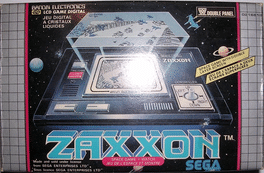
Zaxxon
1982
The handheld version of Zaxxon is a portable LCD game manufactured by Bandai with a license from Sega. It was released in 1982, and is based on the arcade game, Zaxxon. This system uses a "double panel" LCD screen, one to simulate the first section of the game (set in space) and another for one of the space stations. Aside from a similar perspective, handheld Zaxxon is very little like the arcade game - the player cannot move upwards or downwards, and many of the memorable scenery in the game (such as the brick walls and turrets) were omitted due to hardware restraints. In essance this turns Zaxxon into a fairly standard LCD shoot-'em-up game, where players move left and right shooting foes before being hit.Virtua Fighter
1995
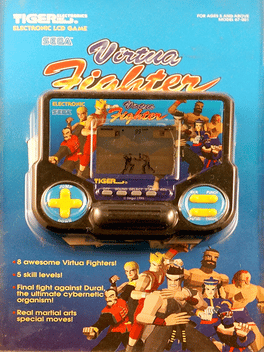
Virtua Fighter
1995
The LCD version of Virtua Fighter is a watered-down version of the arcade game Virtua Fighter created by Tiger Electronics. A Pocket Arcade version was also released.Virtua Cop
1996
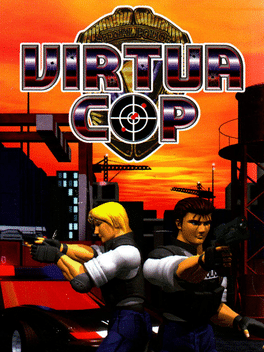
Virtua Cop
1996
A port of the LCD game Virtua Cop without laser gun compatibility, using conventional controls.Virtua Cop
1996
Virtua Cop
1996
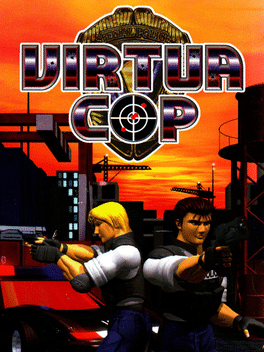
The handheld version of Virtua Cop is an LCD game released by Tiger Electronics based on the arcade release of Virtua Cop. It was released as part of Tiger's short-lived "Tiger Laser Games" range, which utilises basic "light gun" controls. Virua Cop stands as the only Sega game to receive the Laser Games treatment, although there were others for movie franchises such as Star Wars, Independence Day and Mars Attacks. The game was also ported and released as part of the Pocket Arcade series.Super Monaco GP
1998
Super Monaco GP
1998
The LCD version of Super Monaco GP is a watered-down version of the arcade game Super Monaco GP created by Tiger Electronics. It was released as part of the Pocket Arcade series in 1998.Submarine Wars
1988
Submarine Wars
1988
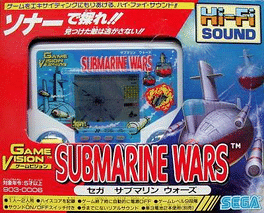
Submarine Wars is an LCD game released by Sega in Japan as part of the Game Vision series. It is in fact a retooled version of Tiger Electronics' 1989 LCD "Super Sound" handheld, Sub Wars.Sodatete! Mushiking
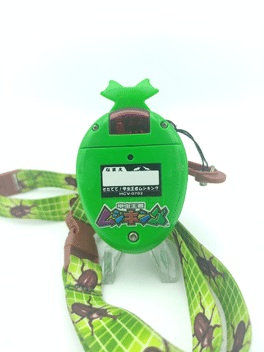
Sodatete! Mushiking is a set of handheld LCD games based on the Mushiking franchise.Pocket Sakura
2000
Pocket Sakura
2000
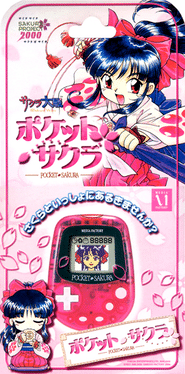
Pocket Sakura is a Sakura Taisen-themed LCD digital pet developed by Jupiter and published by Media Factory, and released exclusively in Japan in June 2000. It tracks the wearer's steps with a built-in pedometer and allows for connectivity with the Game Boy Color game Sakura Taisen GB: Geki Hanagumi Nyuutai! for unlocking bonus content in that game.Puyo Puyo
2006
Puyo Puyo
2006
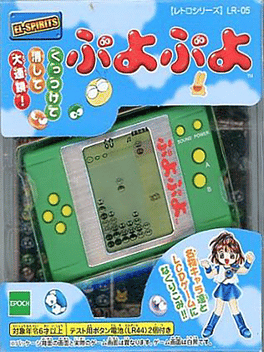
The LCD version of Puyo Puyo is an handheld game developed by Handheld Ltd.. It was distributed first by Epoch in 2006 as part of the EL-SPIRITS Retro series, and resaled by Hashy Top-In in 2008 as part of the Pocket Boy Series.SDI
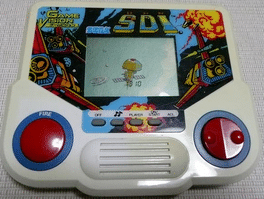
SDI is an LCD game released by Sega in Japan as part of the Game Vision series. Though Sega intended for linked with the arcade game SDI, it is in fact a retooled version of Tiger Electronics' 1989 LCD "Super Sound" handheld, Space Fight (not to be confused with an earlier handheld from the company with the same name).Pengo
2009
Pengo
2009
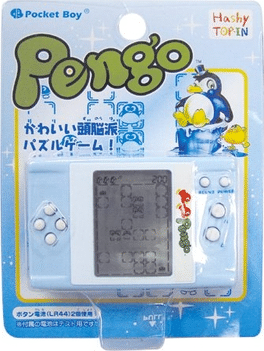
The LCD version of Pengo is an handheld game developed by Handheld Ltd.. It was distributed by Hashy Top-In in 2009 as part of the Pocket Boy Series. It is based on the arcade game, Pengo. It should not be confused with an earlier "port" by Bandai.Pengo
1982
Pengo
1982
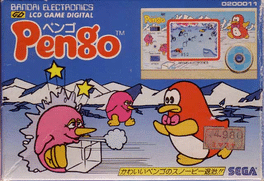
The handheld version of Pengo is a portable LCD game manufactured by Bandai with a license from Sega. It was released in 1982, and is based on the arcade game, Pengo. Very little is known about the LCD version of Pengo, though it is possible that it was not released outside of Japan. It can be assumed it bears some relationship with the arcade game, but as the system is quite rare, nothing has yet been documented.Panzer Dragoon
1997
Panzer Dragoon
1997
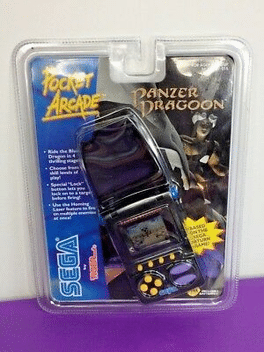
The LCD version of Panzer Dragoon is a handheld game released by Tiger Electronics as part of their Pocket Arcade series of LCD handhelds. It is based on the Sega Saturn game, Panzer Dragoon.OutRun F-1
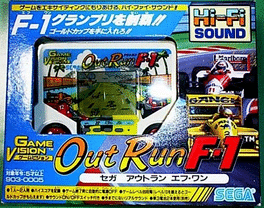
OutRun F-1 is an LCD game released by Sega in Japan as part of the Game Vision series. Though Sega intended for it to be tied with their OutRun franchise, it is in fact a retooled version of Tiger Electronics' 1989 LCD "Super Sound" handheld, Road Race.OutRun
1989
OutRun
1989
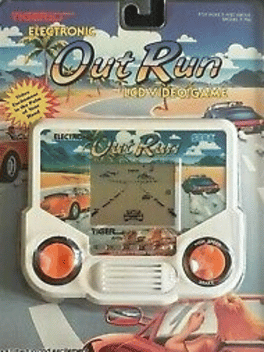
The LCD version of OutRun is a watered-down version of the arcade game OutRun created by Tiger Electronics. Two versions were created - a handheld version, and a large tabletop unit, although the game itself is presumed to be identical. OutRun is similar to several other LCD games on the market - you simply drive forward and try to avoid traffic. There is both a high and low gear, much like the arcade version.Nights into Dreams...
1997
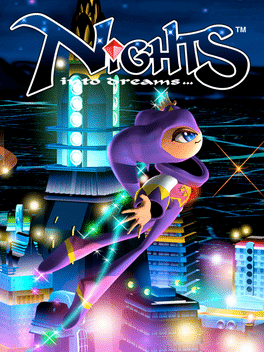
The LCD version of NiGHTS into Dreams is a handheld game created by Tiger Electronics and released as part of their "Premiere" series of LCD handhelds. It is based on the Sega Saturn game, NiGHTS into Dreams. It was released in 1997. A presumably identical Pocket Arcade version was also released.LSI Table Stadium Baseball
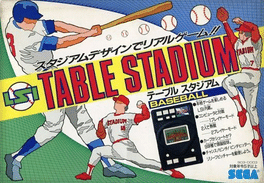
LSI Table Stadium Baseball is a LCD interpretation of baseball.Sega Raceway
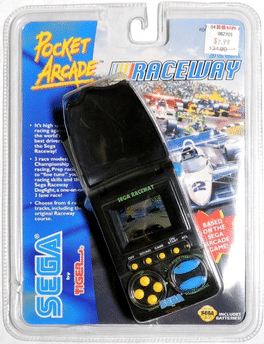
1997