Most Popular Arcade Games - Page 38

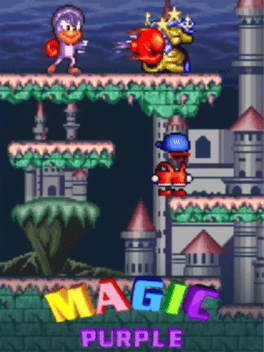
Magic Purple
1996
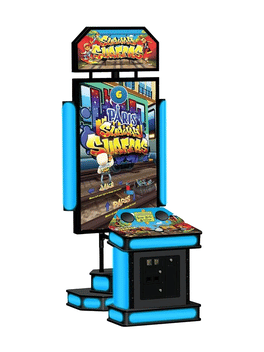
Subway Surfers
2014
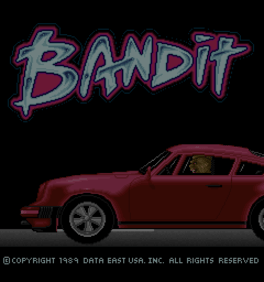
Bandit
1989
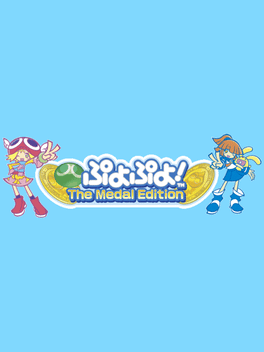
Puyo Puyo! The Medal Edition
2009
Puyo Puyo! The Medal Edition is a coin pusher-styled arcade game based on Puyo Puyo! 15th Anniversary, the fifth in Sega's "Medalink" series.Red Clash
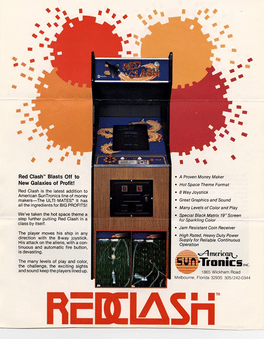
1982
Back Fire
A standard horizontal shoot'em up. The main weapon can be powered-up to provide faster and more powerful shots. Weapons such as lightning or three-way shots appear as power-ups. There are 18 levels to complete the game. If you use a credit to continue in levels 14 through 18, you will start back at level 13. This game is a prototype or had a limited release.Puyo Puyo!! Quest Arcade
2013
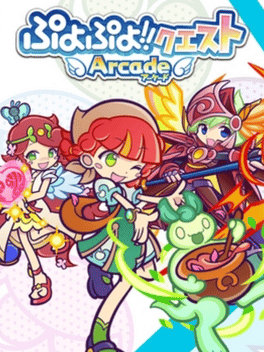
Puyo Puyo!! Quest Arcade is an arcade game, featuring puzzle RPG elements and a character card system. The game is basically free to play, only requiring cash for certain actions like refilling stamina. The game requires SEGA's Aime card (or the now-equivalent BanaPassport card from Bandai Namco Games) to store and recall gameplay status. The service of Puyo Puyo!! Quest Arcade was announced to terminate after March 31 2017, with the removal of cabinets at schedules varying by shop. It will become impossible to play the game after that date.ATV Track
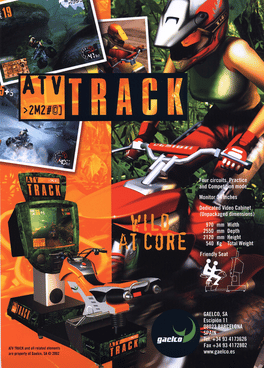
2002
Attack UFO
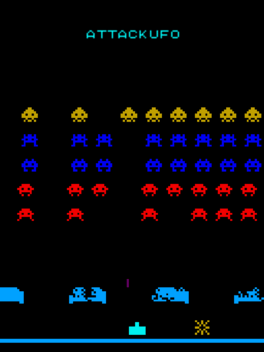
1980
Attack Force
1979
Puyo Puyo Sun
1996
Puyo Puyo Sun
1996
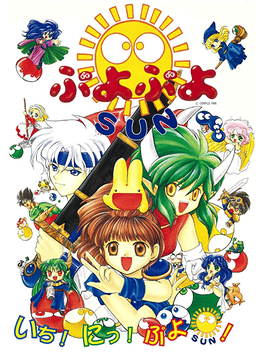
Puyo Puyo Sun also as Puyo Puyo 3 is the third installment of the Puyo Puyo game series. The game was initially developed for the Sega Saturn-based ST-V arcade hardware in 1996. The game's title and emphasis on the sun is a play on the Japanese word for the number three, san.Astro Wars
1981
Astro Wars
1981
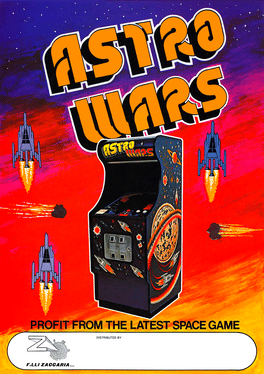
Italian license from Data East's "Astro Fighter". Player steers fighter craft and fires missiles and endeavors to eliminate attacking forces. Each stage of the game becomes more difficult, with each fighter craft moving closer into the battle.Argus
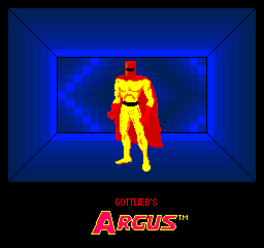
This caped superhero game is a very rare unreleased prototype. The game was originally called 'Protector' (the official test name was 'VideoMan'). Tom wanted Gottlieb to get the Superman license but they didn't. 'VideoMan' was too close to 'SuperMan' so they went with 'Protector', but the name was also changed at one point to 'Guardian', and then 'Argus' (designers' joke name became 'ProVidGuardArgus').Arcadia
1994
Arcade Classics
This prototype was never released (6 units are known to exist). If this game had been released on schedule it would have commemorated Atari's 20th anniversary. It has 2 games on offer, "Super Centipede" and "Missile Command II". They are both re-makes of the original classics but with enhanced graphics and sound. After selecting "more new stuff" in the operator's mode; two kinds of spaceships will appear in the "Missile Command II" game. The "Mothership" that appears after a few levels is exactly the same as (except less detailed than) "Birdsnest", which is a spaceship on page 21 of the 1978 book "Spacecraft 2000 to 2100AD". The spaceships in the "Invasion Wave" are probably ripped from another book in the series.Anime Champ
2000
Anime Champ
2000
Anime Champ is an arcade Bishi Bashi game released on 2000 exclusively in Japan. It was developed and published by Konami. Players play a variety of mini games from five anime from the 60s and 70s.Angler King
1999
Andromeda SS
1980
Andromeda SS
1980
Exciting Space Game! Mysterious Enemies Attack The Earth! Players' Beam-Cannon can be moved from side to side by the lever. Beams to destroy 'Andromeda-Ships' are fired by pressing the button. When all 'Andro-Ships' are destroyed, a new screen image of all ships will appear again. Bonus points shown at the bottom of the screen will be added to player's total points, as player resumes the game.Alpha One
1988