New Playstation Games - Page 53

Gex 3: Deep Cover Gecko
1999
star 7.1When Gex is watching TV one day, he discovers that Rez has kidnapped Agent Xtra (the agent from Gex: Enter the Gecko's backstory), head of the TV Terrorist Defense Unit, to get to him. He teleports to the batcave-like lair he has in the Media Dimension, and begins another adventure. Each level parodies a certain aspect of television culture (here the levels exist as stand-alone channels). Gex enters each level through a television set. He must collect remote controls to advance to the next level in order to complete his mission and rescue Xtra.Shinseiki GPX Cyber Formula - Aratanaru Chousensha
1999
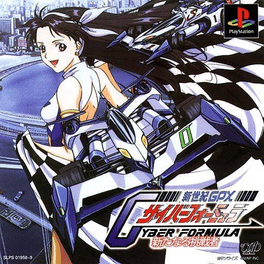
Shinseiki GPX Cyber Formula: Aratanaru Chousensha is a Racing game, developed by Aspect and published by Vap, which was released in Japan in 1999.Mystic Ark: Maboroshi Gekijo
1999
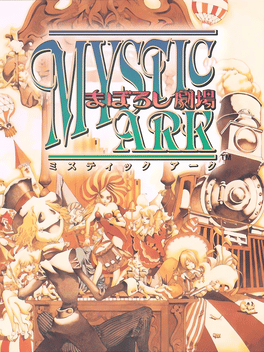
Sequel to Mystic Ark from the SNES. This is a pure adventure game, shedding all the JRPG elements the series had up to that point, eliminating all random encounters, making combat an afterthought, and uses the Arks in two iterations for solving puzzles: their Fairy Form and fully awakened Ark Form. They can utilize their powers through cards which can be found or won through games which you'll need to activate different powers from elemental abilities to manipulating a character's thoughts, changing their mind by making them braver or changing their perspective, etc. Subtle differences aside, the rest of the gameplay is fairly standard and includes using items and interacting with objects to progress.Dr. Slump
1999
Dr. Slump
1999
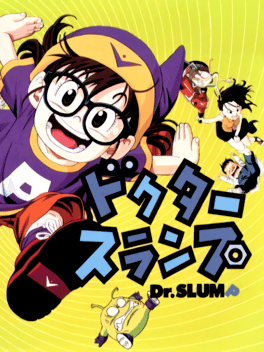
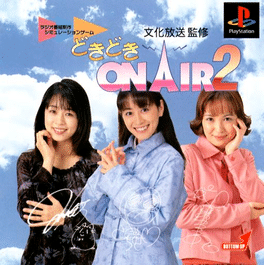
Dr. Slump is an action-adventure game based on the 1997 anime adaptation of Akira Toriyama's manga series of the same name.Doki-doki on Air 2
1999
Captain Love!!
1999
Captain Love!!
1999
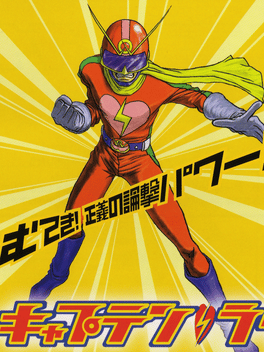
Captain Love is a Adventure/Dating Sim video game published by Toshiba EMI released on March 11, 1999 for the Sony PlayStation.Himiko-Den Renge
1999
Himiko-Den Renge
1999
A PlayStation RPG about two teenagers that are spirited away to another world. The title was developed by Chime and is based off a multi-media franchise of the same name.Final Fantasy Collection
1999
Final Fantasy Collection is a compilation of three Final Fantasy games: Final Fantasy IV, Final Fantasy V, and Final Fantasy VI, released in Japan for the Sony PlayStation. The games are enhanced ports of titles originally produced for the Super Nintendo Entertainment System. Although the games differ little from the original versions in terms of gameplay, graphics, and sound, a number of additional sequences are included, including art galleries, bestiaries, and full-motion video cutscenes.Segare Ijiri
1999
Segare Ijiri
1999
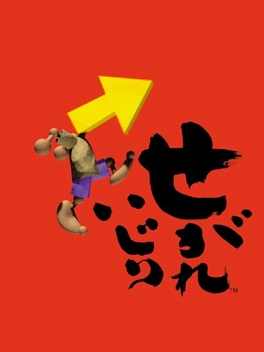
In Segare Ijiri, the player takes control of a young boy with an arrow-size head that her mother (a giraffe) send him through a strange world to make him learn different things.Sonata
1999
Sonata
1999
Role-playing game for PlayStation. As a "romantic parallel RPG," players form a party from among eight women and ultimately choose one woman as their partner.19:03 Ueno Hatsu Yakou Ressha
1999
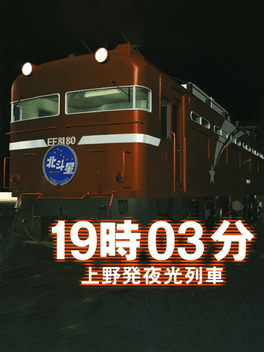
19-03 Ueno Hatsu Yakou Ressha is a third person adventure game that tells the story of Tsupei Akai a freelance photographer or of Miyuki Hatakeyama a middle school teacher. Both of them take the night train that goes from Toyo's Ueno to Sapporo but what started as a normal train travel soon will start to be a little more complicated since they will be involved into murders, assassins and other dangerous situations. The player can choose at the beginning of the game which story he wants to play and the situations and reactions of each character are different, so there is 2 adventures in the same game. The game is played in a first person perspective and is like an interactive movie and depending of the player choices his character will or not survive the travel. There are different endings and different death scenes.Pepsiman
1999
Pepsiman
1999
star 6.7Pepsiman is an action video game developed and published by KID for the PlayStation. It was released in Japan in March 1999, and is based on American carbonated soft drink Pepsi's superhero mascot with the same name, and focuses the player on avoiding obstacles by running, dashing, and jumping, while Pepsiman automatically runs forward through each of the game's stages.Armed Fighter
1999
Armed Fighter
1999
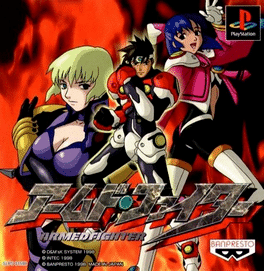
Get equipped with the future's enhanced body armor arms legs, "Arms", and destroy the enemy! Action 3D fighting for survival! Several game modes and story mode to explore.MLB 2000
1999
MLB 2000
1999
star 8This game is basically an update to MLB 99 with a few new features. The game contains depictions of the real teams, stadiums, stats, and players that reflect their real life counterparts. The modes returning from the previous game include quick play, season, playoffs, spring training, and home run derby. One of the new modes is general manager mode. In this mode, players can draft, create, trade, call up, waive, release, and sign players. Another new mode is the manager mode. In this mode, players can check out scouting reports during the game, warm up relievers in the bullpen, and try to get their team to the World Series and hopefully win it.Monkey Hero
1999
Monkey Hero
1999
star 7.5You start the game outside a mine with your friend Tiger. She asks you to take a cart into the mine. You oblige and while in the mine there is an explosion which causes you fall to the lower levels. In the mine you find a treasure chest with a bamboo staff in, which becomes your weapon for the rest of the game. After much wandering you find your way out and meet Master Sage, who gives you a headband which he can use to communicate with you. He then sends you to the library to stop the Nightmare King from stealing the Magic Storybook.T'ai Fu: Wrath of the Tiger
1999
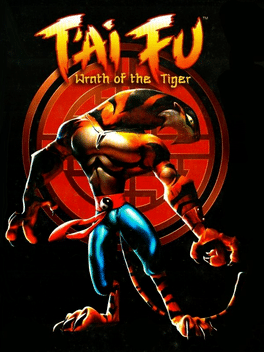
star 7.4T’ai Fu: Wrath of the Tiger is a PlayStation game released in 1999. The game is set in an oriental landscape populated by clans of animals, such as Leopards and Snakes. The game's protagonist, T'ai Fu, is the last remaining survivor of the Tiger clan and must journey to defeat the Dragon Master and avenge his kind. On the way, he learns about his clouded past and masters several Kung Fu styles, one from each clan master he defeats. The game become one of the influences for the DreamWorks Animation film series, Kung Fu Panda and Jeffrey Katzenberg worked on both of them.Favorite Dear
1999
Favorite Dear
1999
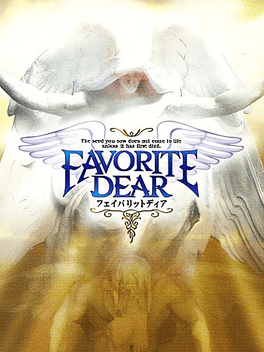
A mix between an RPG and a raising simulation by NEC Interchannel for the PlayStation.Monster Rancher 2
1999
Monster Rancher 2
1999
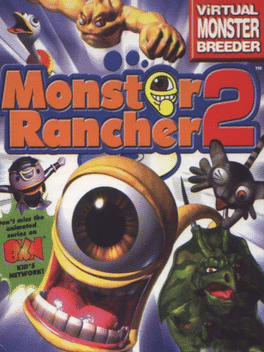
star 7Monster Rancher 2 (released 1999) is a video game and the second North American and Japanese installment in the Monster Rancher series. In Europe (and other PAL locations) Monster Rancher 2 is the first release in the series and is thus named Monster Rancher.