New Web Browser Games - Page 348

Winnie the Pooh's Home Run Derby!
2007
Winnie the Pooh's Home Run Derby is a 2008 Flash baseball video game published at the Walt Disney Company website. The player controls Pooh in order to compete in a home run derby contest, facing off against many other characters in the series as pitchers. The game won a cult following in early 2013 and became a viral hit due to its extreme difficulty, especially for a children's game.Spider Riders: Battle for Arachna
2007
Spider Riders: Battle for Arachna was a web browser RPG based on the anime series Spider Riders, itself an adaptation of a series of novels. The game's Combat consisted of players rolling dice and using a deck of cards they assembled in turn-based battles. It featured a customizable avatar character and spider, 15 single-player missions, online play, and a Guild system, where players would align with one of four mentors to compete and amass the most points during recurring events.Esklavos C3
2007
Newgrounds Rumble
2007
Avatar Arena
2007
Avatar Arena
2007
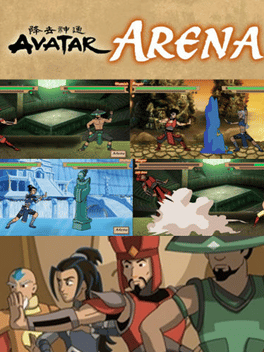
Avatar Arena is 2D action fighting game based on the lore of the cartoon TV series Avatar: The Last Air Bender.Gravity Cat
2007
Gravity Cat
2007
You'll need all nine lives to survive this treacherous platformer. Enemies include rabid rodents, angry bees, and a fire-breathing dragon. Will you reach the key before the troll takes its toll?Hoshi Saga
2007
Hoshi Saga
2007
Hoshi Saga is a simple game of discovery. One part point-and-click and one part puzzle game, the objective in each of the game's 36 stages is to find the star. How you go about doing that is different for every stage. The task is up to you to figure out how.Skateboard Jam
2007
Square Meal
2007
LightSprites
2007
LightSprites
2007
Rain colorful orbs across the land to sprout happy little dancing people and animals. It's kind of like the Disney World ride "It's a Small World" combined with crack.Boxhead: 2Play Rooms
2007
Boxhead: 2Play Rooms
2007
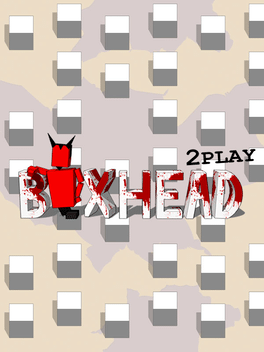
star 7.8An isometric third-person shooter in which you (and a friend) dispatch waves of zombies and devils, all with the titular box heads, by shooting them with different weaponry and using explosives you collect or barricading yourself in your struggle to take on the ever-increasing swarm of zombies.Space Hopper
2007
V-Tech Rampage
2007
V-Tech Rampage
2007
V-Tech Rampage is a controversial amateur action video game that recreates the 2007 Virginia Tech shooting on the campus of Virginia Tech in Blacksburg, Virginia, United States.Monster Master
2007
Monster Master
2007
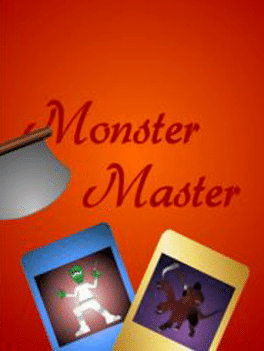
Monster Master is a role-playing card game where you'll have to defeat your rival by summoning all kinds of creatures.Doctor Who: Sonic De-Cloaker
2007
The Tenth Doctor has many enemies scattered through Time and Space. Seek out the monsters, but avoid the black holes! The trick to defeating them is being one step ahead of their evil plans - but to do that you have to find them first. Point the sonic screwdriver at the sector of space, then click to scan it. Find monsters, and data points are uploaded into the TARDIS computer.Kongregate Racing
2007
Kongregate Racing
2007
Race against online competitors in real time. It's something like bumper cars in a crazy death maze.The Waitress
2007
The Waitress
2007
You are a waitress and your job is to serve the client! Try to take orders as quickly as possible! Don't forget to clean the tables!Figaro
2007
Figaro
2007
A short example game created to accompany the essay "Co-Authorship and Community". It gives the player a kind of freedom that is not seen in any other interactive fiction: the freedom to determine what the state of the world is at the beginning of the game. (Version 2 is a 2010 update.)Virtual Knee Surgery
2007
Virtual Knee Surgery
2007
This site takes the children’s game, Operation, to an entirely new level. Snap on your gloves, and play doctor as you perform surgery under expert direction.