New Famicom Games - Page 44

Hyper Sports
1985
Hyper Sports
1985
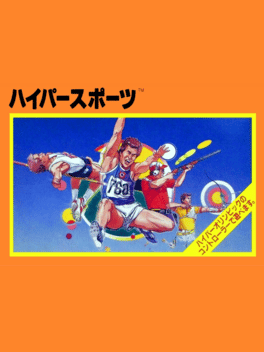
Hyper Sports is the Famicom port of the arcade original. This port notably uses the international title as Konami's Olympic video game licensee was up a year after the Olympic Games Los Angeles 1984 happened.Honshougi: Naitou 9 Dan Shougi Hiden
1985
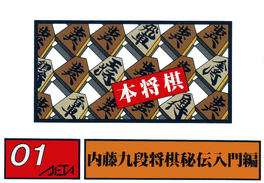
This game lets players play the Japanese board game Shōgi. Shōgi is a game that is played in a similar way as chess. Players take turns moving their pieces in a strategic manner with the main goal of capturing their opponents pieces and putting their opponents king piece into checkmate. The game features several different game modes. These different game modes offer different opponent difficultly levels, timed games, and also some which let the computer player make the first move instead of the player.Hon Shogi: Naitou Kudan Shogi Hiden
1985
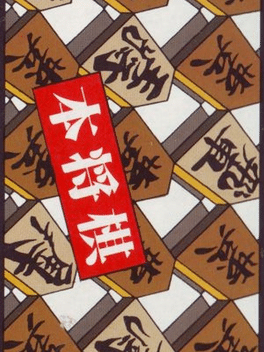
A video game biased off of the board game Shogi (Japanese Chess). It was developed and published by SETA Corporation to be released August 10, 1985, exclusively in Japan for the Nintendo Entertainment System. The game is named for Naito Kunio Kudan, a famous Shoji player from Japan. Born November 15, 1939, Naito has been a professional Shoji player since he was 18 years old. In addition to helping with this video game, Naito Kudan is a published author, having 13 books written about Shoji and running a column in the sports section of the newspaper. He is also a published singer but mostly does it as a hobby. In 2010 Naito was honored with the Order of the Rising Sun, twin Mitsuaki, the fifth highest honor a citizen can receive in Japan. Honshogi: Naitou Kudan Shogi Hiden, follows the standard rules of Shoji (Japanese Chess). There is no ability to change the difficulty or handicap. Most of the screen is the Shoji board, but there is also a representation of the player and computer playing Shoji in a Japanese settWarpman
1985
Warpman
1985
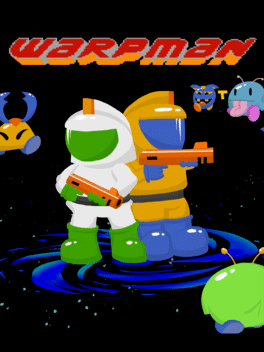
Warpman is an Action game, developed and published by Namco, which was released in Japan in 1985. The player takes control of a "Monster Fighter", who must shoot tongue-sticking aliens in the "Space World" without letting them touch him. When the Warp Zone in the centre of the screen flashes, it is possible for the Monster Fighter to warp to the "Maze World", where monters must be killed with time-delay bombs. The delay is controlled by how long the player holds the button down - but every time he kills one, his bombs will get stronger, making it easier for the Monster Fighter to blow himself up with his own bombs until he returns to Space World.Hyper Olympic
1985
Hyper Olympic
1985
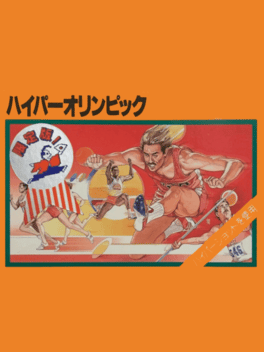
The original Famicom version of Track & Field is very different from the version released internationally. It has less events and is programmed to use special controllers in a way to simulate the arcade game.Spartan X
1985
Spartan X
1985
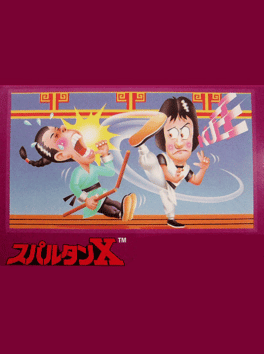
The Japanese port of the Arcade game Spartan X, which was localized and Kung-Fu Master. Much like its Arcade counterpart, this version was later localized as Kung Fu, removing the movie license.Family Basic v3
1985
Family Basic v3
1985
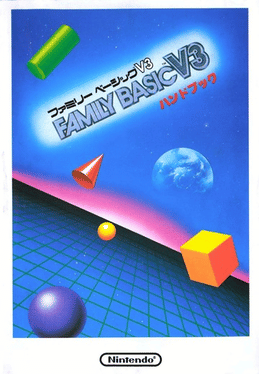
Family BASIC is a programming tool for the Family Computer. Using the included keyboard and instructional booklet, users can learn to program their own video games, complete with customized visuals and audio. Family BASIC V3 is an updated release with better memory capabilities and 4 premade mini games of various genres: "Heart", "Penpen Maze", "Mario World", and "Star Killer".Space Fight of Gun
1984
4-nin Uchi Mahjong
1984
4-nin Uchi Mahjong
1984
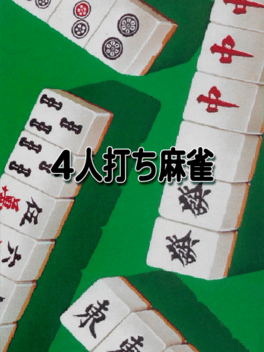
4-nin Uchi Mahjong is a Family Computer video game about mahjong. It was only released in Japan using the Japanese language and it was Nintendo's second mahjong game ever made.F1 Race
1984
F1 Race
1984
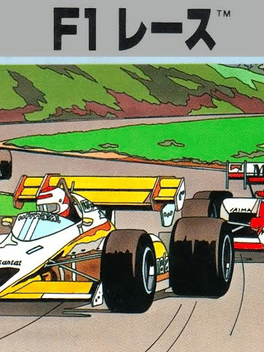
star 7.4F1 Race is a racing video game released in 1984 for the Family Computer in Japan. A version was released in 1990 for the Game Boy in Japan and in 1991 in Europe and North America, which included the Four Player Adapter for four player gameplay. The game features racing in one of two Formula One cars around a variety of tracks near world capitals and landmarks. In the Family Computer version of the game, the cars come in three colors: red, light orange, and dark blue. Gameplay is similar to that of Namco's Pole Position. Finishing in first, second, or third results in a podium finish; players must win on each track to advance to the next. Vehicles in the game have a generic two-speed manual transmission governing their speed (with a "LOW" setting and a "HI" setting). There are ten tracks in the race; the game repeats itself after the conclusion of the tenth circuit. Three difficult levels help beginners to adjust to the artificial intelligence on "skill level 1" while novices get some extra challenge on "skill leveGalaxian
1984
Family Basic
1984
Family Basic
1984
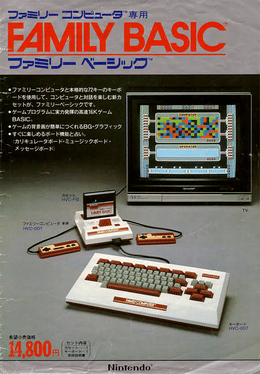
The Family Basic is a Basic interpreter for the Famicom that was only released in Japan. It included the Famicom Keyboard and a tape drive called the Famicom Data Recorder. Many versions were released following the first version which was released in June 1984. Version 3 included games that were based on previous Nintendo titles.Donkey Kong Jr. + Jr. Sansuu Lesson
1983
Donkey Kong Jr. + Jr. Sansuu Lesson is a game released for the Family Computer in Japan. It is a compilation of the games Donkey Kong Jr. and Donkey Kong Jr. Math. Despite being a compilation of two games, only parts of both are included. Combining half of the 1- and 2-Player game modes from Donkey Kong Jr. and the +-×÷ Exercise mode from Donkey Kong Jr. Math, the game can cater to classic arcade excitement and arithmetic lessons directed towards the younger set. No other gameplay mechanics or details seem to have changed.Popeye no Eigo Asobi
1983
Popeye no Eigo Asobi
1983
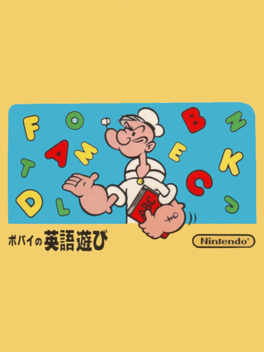
A English learning game starring Popeye and friends, based on the Popeye arcade game. Word Puzzle is a version of the classic word game Hangman, where you have to guess the word in the category by choosing letters with a limited number of attempts. In Word Puzzle A, you receive a clue in Japanese while Word Puzzle B offers no clues other than the category. Word Catcher is a multiplayer challenge where Player I is Popeye and Player II is Bluto as both compete to catch the letters Olive Oyl throws in a certain order using the clues that appear.