Most Popular Famicom Games - Page 44

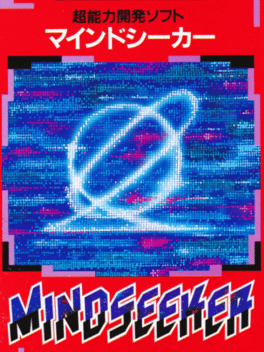
Mindseeker
1989
Mindseeker
1989
Mindseeker is an Adventure game, developed and published by Namco, which was released in Japan in 1989.Mirai Senshi: Lios
1989
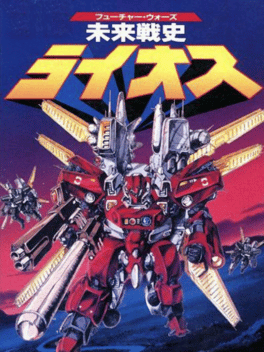
Mirai Senshi: Lios
1989
Future Wars: Lios is a turn-based strategy game developed and published by Pack-In-Video, the same developers who brought us Die Hard (NES). In this game, you play as Cecilia and her army of robots. You must make it to Goinkia's castle and stop him from taking over. To do this, you must travel the overworld and select a location. Once you do, you must take out the enemy's commander robot and then the enemy's base. Then you will win and will be allowed to progress. Sometimes defeating enemies unlocks new weapons.Mirai Shinwa Jarvas
1987
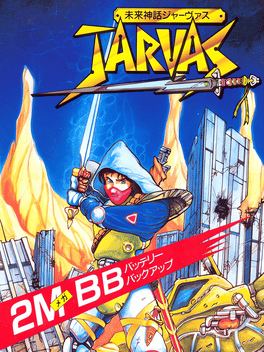
Mirai Shinwa Jarvas
1987
Mirai Shinwa Jarvas is a RPG developed and published by Taito. It is about a man named Jarvas who travels back in time from the future to conquer the world of the past and become the leader. You must get people to join your side and take over enemy castles. This game is generally considered pretty bad by most. When you begin the game, you are given no information about where you are and where you should attempt to go. Once you find a town, you must join a guild. You can only increase your level by returning to the guild once you have accumulated enough experience.Moai-kun
1990
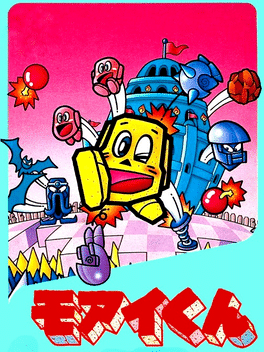
Moai-kun
1990
Moai-kun is a puzzle video game developed and published by Konami for the Family Computer in Japan in March 1990. The game derives its themes from Easter Island; the player controls a sentient moai statue that must rescue other moai and escape each stage via a door before the timer expires. Although platforming elements are present, the primary challenge is to find a way to manipulate the objects in each stage to reach the distressed moai and rescue them while still leaving an avenue of escape to the exit door.Moero!! Judo Warriors
1992
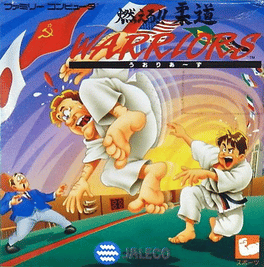
Moero!! Judo Warriors is a Family Computer video game that was released in 1990. The box art shows competitors in an international judo tournament; flags of different countries like the Soviet Union, France, Brazil, the United States of America, and Japan are used to signify the eliteness of the virtual competition. Players must travel around the world in search of judo opponents. The player even gets to compete in the Summer Olympic Games under his discipline of judo after defeating five opponents. However, this would most like refer to either the 1992 Summer Olympic games in Barcelona, Spain because of the game release date. Nine opponents must be defeated in the Olympic Games in order to collect the gold medal. Losing some matches while winning other may result in the awarding of either the silver or the bronze medal.Monster Maker: 7-tsu no Hihou
1992
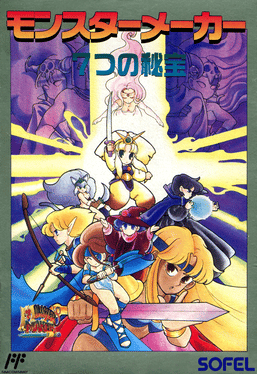
Monster Maker: 7-tsu no Hihou is a Role-Playing game, developed and published by Sofel, which was released in Japan in 1991.Mottomo Abunai Deka
1990
Mottomo Abunai Deka
1990
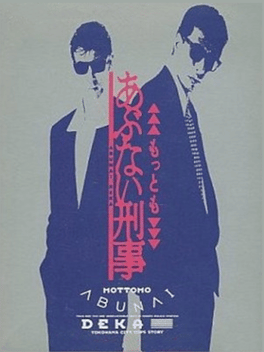
Mottomo Abunai Deka is an Action game, developed by Micronics and published by Toei Animation, which was released in Japan in 1990. It is based on a Japanese movie released in 1989 with the same name. This game and the movie are both related to the late 1980s detective TV show, Abunai Deka.Mouryou Senki Madara
1990
Mouryou Senki Madara
1990
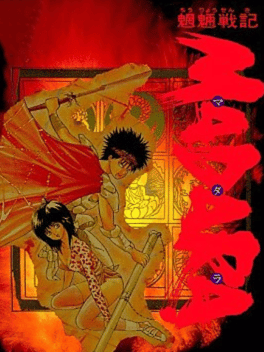
Mouryou Senki Madara is a Role-Playing game, developed and published by Konami, which was released in Japan in 1990.Musashi no Ken: Tadaima Shugyou-chuu
1986
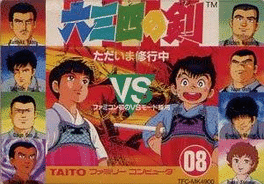
Musashi no Ken: Tadaima Shugyou-chuu is a 1986 video game software developed and published by Taito exclusively in Japan. It is based on a Japanese sports manga series written and illustrated by Motoka Murakami that focuses on kendo, simply titled Musashi no Ken. The gameplay and design in the one-on-one fighting parts resemble Taito's other fighting game, Great Swordsman, especially its kendo mode. The game's plot is about the son of two Kendo champions named Musashi. He strives to become as great at Kendo as his parents. The entire story centers around the world of Kendo and its up and coming competitors. The anime is broken up in to two parts. The first part follows Musashi's early years in grade school while the second part follows his high school years. In the first episode, Musashi befriends an Akita puppy who is by his side throughout the series.Nagagutsu wo Haita Neko: Sekai Isshuu 80-nichi Daibouken
1986
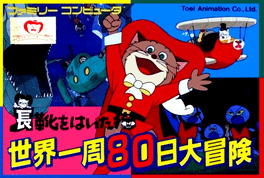
Nagagutsu wo Haita Neko: Sekai Isshuu 80-nichi Daibouken is a 1986 video game based on the third film of The Wonderful World of Puss 'n Boots that was released exclusively in Japan for the Family Computer. Four years later, the game (with several modifications) was released in North America under the title Puss 'n Boots: Pero's Great Adventure. The main character is the Puss in Boots character from the tale; a cat named Pero (Toei Animation's mascot) He is also known as 'Perrault' in the game, as that was the name of the original author of the Puss In Boots story; Charles Perrault. He is known for helping an impoverished master attain wealth through the use of trickery.Nakayoshi to Issho
1994
Nakayoshi to Issho
1994
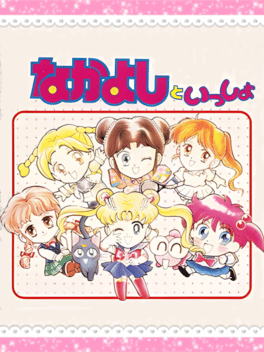
Nakayoshi to Issho is an Adventure game, published by Yutaka, which was released in Japan in 1993.Namco Classic
1988
Namco Classic
1988
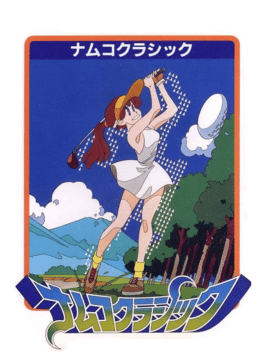
Namco Classic is a golf game developed by Namcot and published for the Famicom in 1988. The game features Round Play, which you can use to practice the course in the game or compete with friends, or Tournament mode, where you play against a computer opponent in an effort to win a large amount of prize money. The game was also released for the Game Boy in 1991. The Game Boy version features a different course but is very similar in many respects. In 1996, that version was also included in the compilation title, Namco Gallery Vol. 1.Namco Classic II
1992
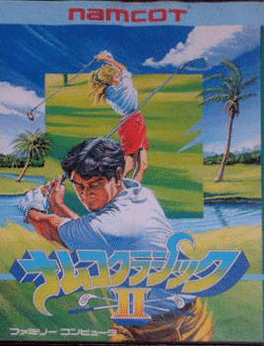
Namco Classic II
1992
Namcot Classic II is a Sports game, developed by TOSE and published by Namcot, which was released in Japan in 1992.Napoleon Senki
1988
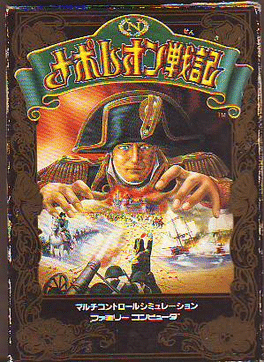
Napoleon Senki
1988
Napoleon Senki (ナポレオン戦記?, "Battles of Napoleon") is a real-time tactics strategy video game developed by Lenar and published by Irem in March 1988 for the Family Computer. In August that same year, Brøderbund announced that it would be released for the North American NES console as The Battlefields of Napoleon; which was eventually cancelled. This video game allows the player to re-enact the Napoleonic Wars using a bird's-eye view. Starting with earliest battles against the Holy Roman Empire to grab territory for the fledging French Republic during the French Revolutionary Wars in the year 1796, Napoleon would guide the French Revolutionary Wars until they ended in 1802. All the nations that were a participant in the Napoleonic Wars were included like Czarist Russia, Great Britain, and the Spanish Empire. Napoleon's first in-game battle would located in present-day Italy; making the battle equally important in Italian history as it was in French history. There are also battles in what would now consNavy Blue
1992
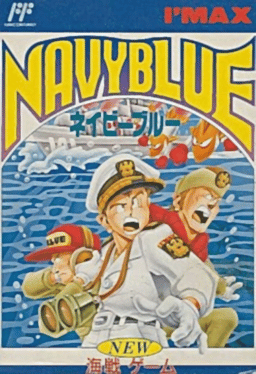
Navy Blue
1992
Navy Blue is a Strategy game, developed by Use and published by I'Max, which was released in Japan in 1992.Niji no Silkroad
1991
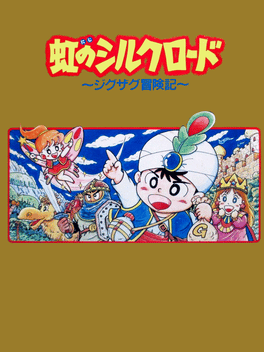
Niji no Silkroad
1991
Niji no Silkroad is a role-playing video game for the Japanese version of the NES, the Famicom. It was developed by NHK and published by Victor Interactive Software (now Marvelous Entertainment) in 1991. The game was only released in Japan. The player controls the main protagonist, an exiled prince of LittleLand that has been recently informed of his royal heritage. To reclaim the throne, the prince must collect seven shards of the Rainbow Mirror and defeat the usurper, Zrool. The shards are scattered throughout South Asia and the prince must trade goods to make his way to each region. Once the mirror is collected, the prince shines it at Zrool and exposes the imposter. The prince then takes his throne as the new king.Ninjara Hoi!
1990
Ninjara Hoi!
1990
Ninjara Hoi! is a Role-Playing game, developed and published by ASCII Entertainment, which was released in Japan in 1990.Oishinbo: Kyuukyoku no Menu 3-bon Shoubu
1989
Oishinbo: Kyuukyoku no Menu 3-bon Shoubu is an Adventure game, developed by TOSE and published by Bandai Shinsei, which was released in Japan in 1989.Onyanko Town
1985
Onyanko Town
1985
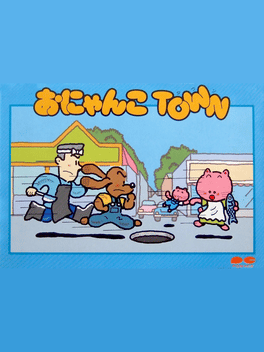
Players must play the role of a mother cat called Milky who lives in a dangerous metropolis full of dogs. The dogs want to kill Milky before she can rescue her son Michael who wandered out into the city on his own (and became lost). Players must catch the fish for temporary invincibility. However, the other enemies can still kill the mother cat like the fish merchant (who is the only humanoid bad guy in the game), the automobiles on the road, along with the manholes and the pylons. The city is divided into roads for automobile traffic and sidewalks for roaming pedestrian dogs in overalls. The fish merchants completely replace the dogs after the 30th level; causing the invincibility icon (fish) to become redundant. Unlike the Teenage Mutant Ninja Turtles series of video games (especially the first NES release which would come out four years later in 1989), open manholes kill the player instead of helping her evade the roaming dogs. Sewer snakes also come out to kill the player with its poisonous venom. Triangle conRoute-16 Turbo
1985
Route-16 Turbo
1985
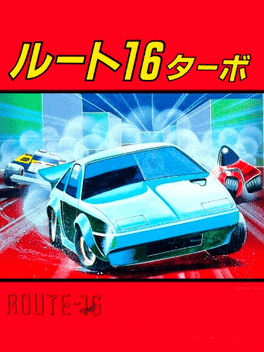
Route-16 Turbo is an improved version of Route-16 for the Famicom which was published on October 4, 1985 by Sunsoft only in Japan. Route-16 Turbo added multiple difficulty levels and improved graphics and music. In Route-16 Turbo, players get behind the wheel of a car and drive around trying to collect valuable items lying around on the road while avoiding chase cars whose only purpose is to crash into the player's car. In the game, the player's car drives around on a map that contains a bird's eye view of the 16 different routes (individual maze rooms) that can be entered. This overhead map screen shows which routes contain the items that have to be collected. Each item the player collects will increase their score. Collecting all the items in a level will allow the player to go on to the next round. When the player enters a specific route, the game switches its view to a single screen maze. These mazes contain dead-ends, zig-zags, multiple exits, enemy obstacles, with also the the threat of the chase cars ente