New Games - Page 11044

Sock and Awe
2008
Sock and Awe
2008
Sock and Awe is a minimal 2008 Flash game created by British entrepreneur Alex Tew, recreating the Bush shoeing incident and putting the player in the shoes of journalist Muntadar al-Zaidi who flinged a shoe at George W. Bush during a news conference.ADK Damashii
2008
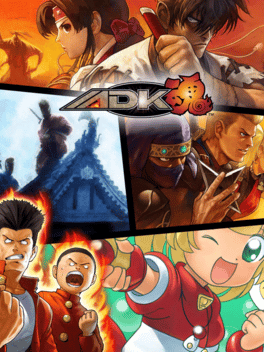
ADK Damashii
2008
ADK Damashii is a bundle that includes 5 arcade/Neo Geo games which were all developed by ADK and published by SNK Playmore. All 5 are 1:1 arcade ports with only one small enhancement in the form of skill lists/move lists for the characters of the fighting games; nothing else was changed. They are all 2D Games and every game is for 1-2 players. Unlike all the other Japanese versions of Neo Geo game compilations for PS2, it had no online modes.Otsuge Uranai nan desu
2008
Otsugē Uranai nandesu is a fortune telling game, developed and published by Dorart, which was released in Japan in 2008.Everybody's Putter Golf With Toro
2008
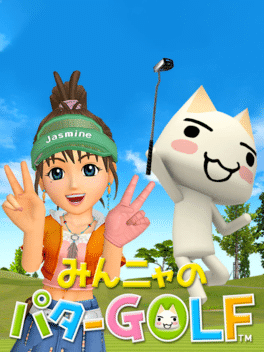
Play some putter golf games in an authentic yet hilarious way with Toro, the most beloved character in Japan! Everybody's Putter Golf with Toro is a Doko Demo Issyo and Everybody's Golf crossover video game developed by BeXide and Clap Hanz Ltd. and published by Sony Computer Entertainment in 2008 for the PlayStation 3.Momotaro Dentetsu: 20 Shuunen
2008
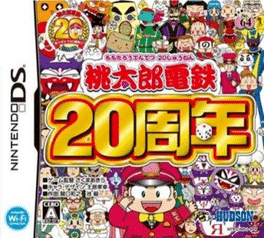
Momotaro Densetsu 20 Shuunen is a video game in the Momotaro Dentetsu series of board game-style video games, genre released in 2008 by Hudson Soft for Nintendo DS. The game was only released in Japan.Monkey Mischief
2008
Monkey Mischief
2008
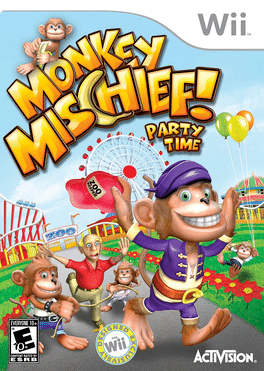
It's monkey business for the entire family! The zoo keeper has left for the day and the monkeys are up to no good! It's all out mayhem and no one...including the hippos aresafe from a little "monkey mischief" at this zoo! 20 hilarious games for everyone! Each monkey has its own uniqe personality Take over the zoo in 1 to 4 player actionChampionship Foosball
2008
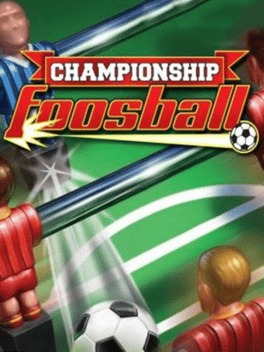
Jump into the fast-paced action of Foosball in your own living room! Using the motion-sensing technology in the Wii Remote, Championship Foosball creates a realistic gaming experience. Feel like you're playing at a real table as you challenge your friends in 4-player action or rise through the ranks in single-player mode.Summer Sports 2: Island Sports Party
2008
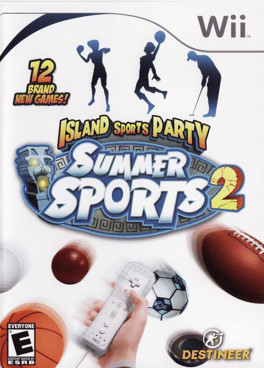
The cool island breeze is calling your name! Join the Summer Sports crew to take on all new sports challenges in Summer Sports: Island Sports Party. Create your own island party as you play 12 distinct games: Bocce Ball, Archery, Basketball, Football Toss, Mini-Golf, Shuffleboard, and more.CSI: New York
2008
CSI: New York
2008
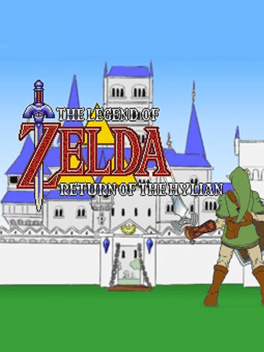
CSI: NY – The Game is a video game based on the CSI: NY television series. This is the sixth CSI game released, and the first for CSI: NY. As with the previous CSI games, there are five cases to work on. However, the game has taken a drastic graphical change, opting for a stylised 2D cartoon look, instead of the rendered 3D graphics of previous games in the CSI franchise. The game will allow you to control a CSI (Mac or Stella) and solve cases, collect evidence and solve puzzles. You will also be able to interrogate suspects with branching dialogue options, and depending on your tone or line of questioning you may find the suspects refuse to co-operate, or tell you everything you need to know. This is Legacy Interactive's first CSI game. They previously created the Law and Order videogames. As of April 2009, UBISOFT released the final case ("Derailed"). This case requires game patch 1.01 (it can be installed if the PC has an active internet connection). Mac Taylor becomes the prime suspect on the case when hisThe Legend of Zelda: Return of the Hylian
2008
After Link's victory over Ganon, no one knows what Link's wish to the Triforce was. But this wish reunified the Light World and the Dark World and brought the 7 wise men's descendants back to life. Peace was back in Hyrule. But unfortunately, this wish also resurrected Ganon and his henchmen. He was preparing his revenge, but he couldn't do anything without the Triforce. One night, a familiar voice speaks to Link in his sleep...Resident Evil: Degeneration
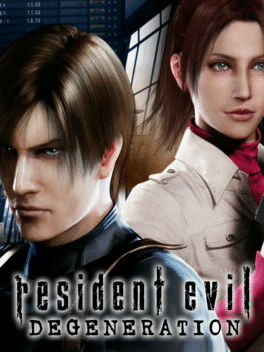
2008
Resident Evil: Degeneration is a survival horror game based on the movie of the same name. It was released for the Nokia N-Gage 2.0 service in 2008, and later in 2009 released remastered port to iPhone & iPod Touch. Additionally in 2008 there was released two different versions with same name for other mobile devices, games is completely different from original game and it was reworked versions of "Resident Evil: Missions" and "Resident Evil: Missions 3D".Puzzle Bobble Galaxy
2008
Rolando
2008
Crash Commando
2008
Crash Commando
2008
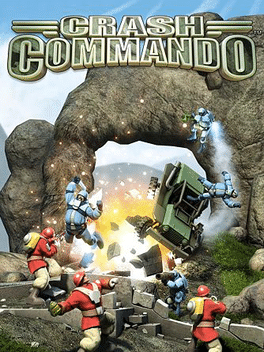
star 7.5Crash commando is a fast-paced PlayStation 3-exclusive side-scrolling shooter. Obviously inspired by Worms and Soldat, the large levels and small characters allow for hectic action in both single and online multiplayer modes.Ragnarok DS
2008
Ragnarok DS
2008
star 5Ragnarok DS, known in Japan as Ragnarok Online DS, is a Nintendo DS video game based on the MMORPG Ragnarok Online and was released in Japan on December 18, 2008. It was announced that publisher Xseed Games had teamed up with developer GungHo Online Entertainment to bring the game to North America on February 16, 2010.Space Bust-A-Move
2008
Space Bust-A-Move
2008
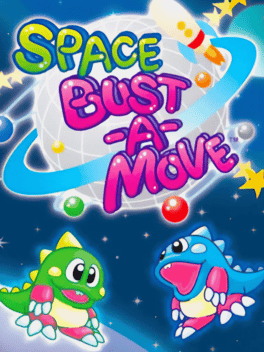
star 8.4The smash-hit classic arcade game is going where no bubble has gone before in Space Bust A Move! Help the twin brothers, Bub and Bob, as you journey to distant planets to collect "Cosmo Bubbles" in order to stop the evil Devilin from taking over the galaxy. With intense multiplayer competition, improved graphics, customization options, and mini-games, you've never busted bubbles like these!Catan
2008
Catan
2008
Catan is an adaptation of the multiplayer board game Settlers of Catan, with special features exclusively for the console version. Players take on the roles of settlers, each attempting to build and develop holdings while trading and acquiring resources. The game has illustrations in three variations - including the traditional Kosmos and Mayfair editions and the 3D edition. It's game rules are flexible, including official and alternative "homemade rules." Another feature is support for text chat and audio chat - communicate with your opponents! Play online with players from all over the world.Race On
2008
Race On
2008
star 8Race On brings you the epic WTCC 2008 season down to the smallest detail and now you get the chance to show the world who the real champion is. The Race OnExpansion Pack includes the Iconic Detroit Muscle cars suited for those who like to lay down lots of rubber power sliding out of corners on the rev limiter. Enough torque to drag the moon off orbit, full opposite lock and a big grin on your face. Or you can try your hand at the Formula Masters, a top of the line open wheel series, offering you even more speed and action than ever before.