New Games - Page 11425

Slingo Quest
2006
Slingo Quest
2006
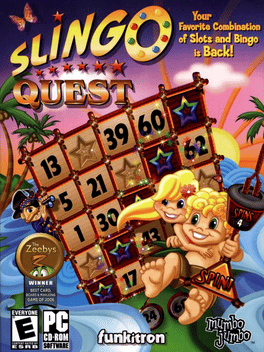
Slingo Quest combines two classics, slots and bingo, in the ultimate puzzle game. Spin the traditional 5-reel slot machine, then match the numbers on your card down, across or diagonal, and you've hit a Slingo! Create as many Slingos as you can in 20 spins with the help of fun power-ups in this tropical adventure.UAZ Racing 4x4
2006
UAZ Racing 4x4
2006
star 6.2UAZ is not just another model amongst other all-terrain vehicles – it‘s a real legend of the Russian motor industry. These unique cars can go places where no man has ever even heard of the word “road”! The first Russian SUV driving simulator “UAZ RACING 4x4” is dedicated solely to this car, UAZ. Now you can show off your outstanding off-roader in the most severe durability tests and ride the really impassable roads, one of the most remarkable and famous Russian phenomena since ancient times.Microsoft Flight Simulator X: Deluxe Edition
2006
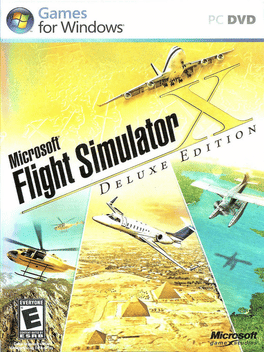
Flight Simulator X will awe flight simulator fans and real pilots alike. All-new eye-popping graphics, actual missions to accomplish and a wider range of airports to visit recreate the experience of being a pilot, right down to the smallest detail. Complete point-to-point objectives and skill-based tests, or just fly around the world if you'd prefer that to ferrying passengers or cargo. Whatever you choose to do as a pilot, it's available here in Flight Simulator X Deluxe.ARMA: Armed Assault
2006
ARMA: Armed Assault
2006
star 7.2Sequel to the highly successful Operation Flashpoint, ARMA: Armed Assault is a first person tactical military shooter on the PC with large elements of realism and simulation. This game features a blend of large-scale military conflict spread across large areas alongside the more close quartered battles. You'll be thrust into the midst of an engaging and expanding storyline, fighting against smart, aggressive enemies who will continually provide a challenge over a massive landscape. Story driven single player campaign: Write your own campaign storyline by choosing the right mission order when playing the 20+ missions. Play it differently next time and find new ways to victory! Large scale multiplayer: Use ARMA: Armed Assaults strong multiplayer mode and play battles where tanks supported by infantry and helicopters take control of an enemy city. The engine supports 50+ live opponents in a role of both friendly and enemy forces. More than 30 weapons: Every weapon has unique firing characteristics featuring the newWWE SmackDown vs. Raw 2007
2006
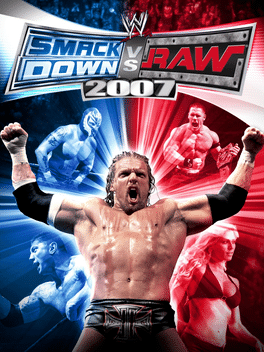
star 7.6A brand new Analog Control System makes fighting more realistic than ever with intuitive movement and new elements of control. An enhanced Season Mode provides multiple branching storylines and unprecedented levels of player choice. In and out of the ring, dozens of user-controlled environmental hotspots let players take advantage of anything at their disposal to inflict damage on opponents in new and unique ways. Additionally, new high impact combination moves let players take the power of WWE Superstars into their own hands. Experience the intensity of WWE fans in a brand new, fully loaded interactive fighting area. Players can take advantage of multiple weapons, environmental damage and grabbing signs and weapons from the crowd. WWE SmackDown vs. RAW 2007 offers multiple enhancements, including incredible high definition graphics, updated rosters for both RAW and SmackDown, an expanded General Manager Mode, online multiplayer game play with voice chat support and more.Medieval II: Total War
2006
star 8.8Take command of your armies and expand your reign. Conquer, destroy, rebuild and improve the cities of the greatest medieval nations of the Western and Middle Eastern world. Employ diplomacy to manipulate your allies and enemies and direct epic and visceral real time battles with up to 10,000 meticulously detailed troops shedding blood on lush 3D landscapes complete with dynamic weather effects in order to re-write history and rule the world. Spanning four and a half centuries of Western history’s most bloody and turbulent era, Medieval 2 encompasses the golden age of chivalry, the Crusades, the creation and propagation of gunpowder, the rise of the professional army and the discovery and conquest of the Americas. The indirect sequel to 2002’s Medieval: Total War, Medieval 2 is set between years 1080 and 1530 and focuses on medieval warfare, religion and politics in Europe, North Africa and the Middle East.Me de Unou wo Kitaeru: DS Sokudoku Jutsu
2006
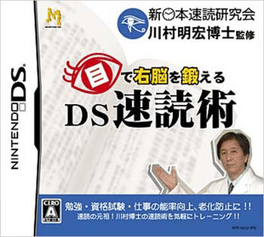
Me de Unou o Kitaeru: DS Sokudoku Jutsu is a game, developed and published by MileStone Inc. for the Nintendo DS, which was released in Japan in 2006.Disney's Chicken Little: Ace in Action
2006
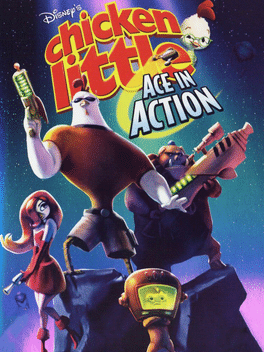
Inspired by the "superhero movie within the movie" finale of Walt Disney Pictures' film "Chicken Little," Disney"s Chicken Little: Ace in Action features Ace, the superhero alter ego of Chicken Little, and the Hollywood versions of his misfit band of friends: Runt, Abby and Fish-Out-of-Water.Papa Louie: When Pizzas Attack!
2006
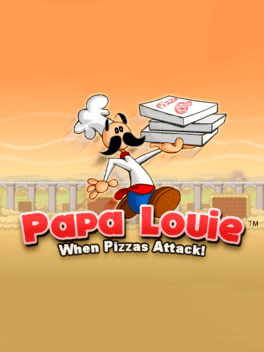
Liberate Papa Louie's customers today! The adventure that started it all! While Papa Louie was hosting a party at Papa's Pizzeria, the Infamous Onion Ring infiltrated all the orders. Delicious pizzas were transformed into gooey Pizza Monsters that kidnapped all of Papa Louie's customers, teleporting them to far off lands. Armed with his trusty pizza paddle and loads of Pepper Bombs, Papa Louie must rescue all his loyal customers and put an end to the Infamous Onion Ring.I"s Pure
2006
I"s Pure
2006
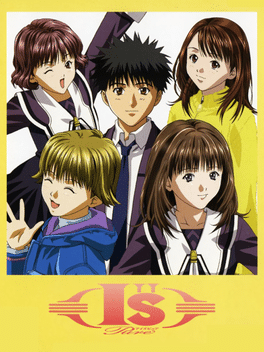
I's Pure is an Adventure game, developed by Regista and published by Takara Tomy, which was released in Japan in 2006.Mezase! Shoujo Mangaka! Chao Manga School
2006
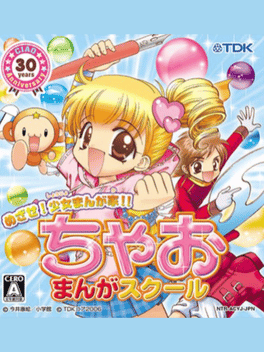
Mezase! Shoujo Manga Ka! Chao Manga School is a DS game, developed and published by TDK Core, which was released in Japan in 2006.Black Jack: Hi no Tori Hen
2006
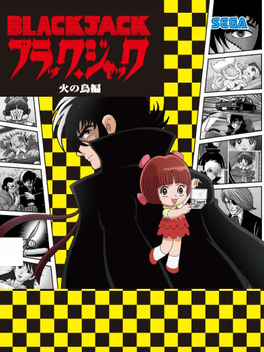
Black Jack: Hi no Tori Hen is very much a Elite Beat Agents-style game, having to tap or drag your stylus across the screen at the right speed and accuracy, as well as a comic to read in the background of the game to be used a storyline for each patient, some have an effect of what happens during surgery causing distractions or harder accuracy. For most of the game, Black Jack is just simply performing surgeries for Tezuka's Star System characters, some of which are based on chapters from the Manga series. Though the game has its own main plot as the game progresses.Dora the Explorer: Dora's World Adventure!
2006
Pack your backpack for a World Adventure with Dora the Explorer! Dora needs your help to team up with Swiper to return the Friendship Bracelets he swiped to France, Tanzania, Russia, and China! From Mt. Kilimanjaro to the Great Wall of China, get ready to explore the world with Dora!Mortal Kombat: Armageddon - Premium Edition
2006
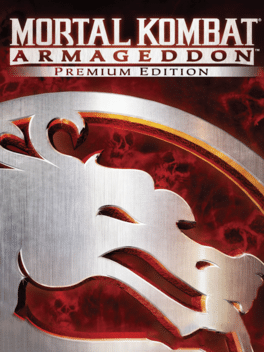
star 7Available exclusively on the PlayStation 2, the Mortal Kombat: Armageddon -- Premium Editions (there are four variations) feature a number of bonuses from the series' renown history. All of the MK: Armageddon Premium Editions feature metallic packaging, three depicting the series favorite characters (Sindel & Shao Kahn, Johnny Cage & Goro, and Kano & Sonya), and the fourth with a variation of the MK: Armageddon retail box art. Included in the Premium Edition are an arcade–perfect version of the original Ultimate Mortal Kombat 3, a DVD video featuring a "History of Fatalities" movie along with new videos for more than 50 of the Mortal Kombat characters, and animation cell cover art autographed by franchise co–creator, Ed BoonDisney's Chicken Little: Ace in Action
2006
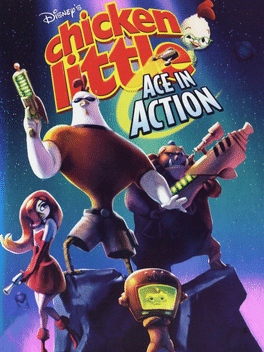
star 6.2Inspired by the "superhero movie within the movie" finale of Walt Disney Pictures' film "Chicken Little," Disney"s Chicken Little: Ace in Action features Ace, the superhero alter ego of Chicken Little, and the Hollywood versions of his misfit band of friends: Runt, Abby and Fish-Out-of-Water.Viva Piñata
2006
Viva Piñata
2006
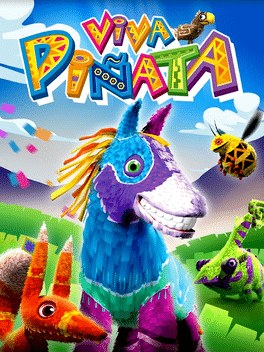
star 7.5Attract and tame your favourite Piñatas. There are more than 60 species that roam wild on Piñata Island. Personalise everything from the grass at your feet to the hat on your Piñata's head. Welcome to Piñata Island, enjoy your stay!Phocas Island 2
2006
Phocas Island 2
2006
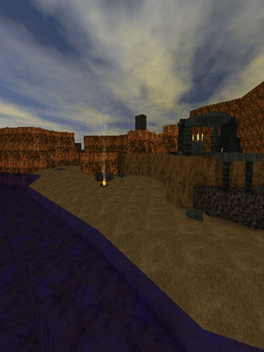
A different kind of experience, focused more on puzzles and individual encounters. It is a remake of the first Phocas Island. I decided to do a remake because I felt the first one was lacking in areas and was rushed towards the end. It features large multi-path levels, with lots of scripting, not even one original monster (although some are only slightly modified from the original).Chocotto Land Online
2006