New Games - Page 11961

Donkey Kong Jr.
2002
Mario Bros.
2002
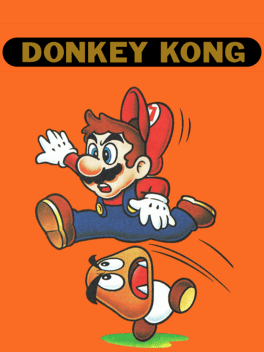
Donkey Kong
2002
Chef
2002
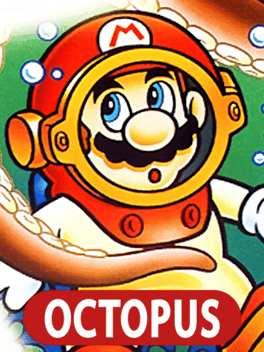
Octopus
2002
Octopus
2002
The gameplay in this version is largely the same, but the graphics are updated, and the divers are replaced by Mario down below and Princess Peach in the boat. In this version, Mario earns twice as many points for every piece of treasure he brings to Peach. However, Mario gets slower as he grabs more treasure. To counter this, he can throw all of his treasure, which lightens his load and can stun one of the Octopus's arms for a brief time. Sometimes the Octopus squirts clouds of black ink, and if one hits Mario, he receives a miss. When Mario amasses 200, 500, and 700 points, a Lakitu appears and drops a heart for him to remove a miss. The Modern version also features music, with the tempo changing depending on the speed of the game. In Game & Watch Gallery 4, the Octopus changes color each time the player gets 200 points. In Game & Watch Gallery 4, if the player selects the game yet does not actually start it, a humorous sequence is shown. Mario arrives with a bag of loot in one hand and a Game Boy Advance in anoFire
2002
Fire
2002
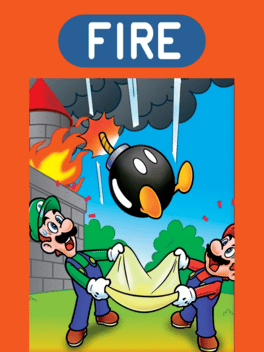
Mario and Luigi attempt to catch Toads, Yoshis, and Donkey Kong Jrs. after they jump out the window of Princess Peach's burning castle. The catch is that different characters fall at different speeds: Toads bounce the highest, while Donkey Kong Jrs. bounce the lowest. Yoshi Eggs also appear and contain either a Bob-omb or a Moon (a Super Star in the first game); the eggs break open when they are caught or hit the ground. The player receives two points for catching an egg. If a Bob-omb reaches the carriage, everyone, including the Mario Bros., runs away as the carriage explodes, and the player gets a miss. If the Mario Bros. catch a Moon, the player receives five points. At 200, 500, and 700 points, Peach appears and blows a kiss, sending out a heart for Mario or Luigi to catch to remove a miss. Music is also featured in this version, with the tempo changing depending on the speed of the game. In the Game & Watch Gallery 4 version, the time of day changes every 200 points collected. If the player selects this gameIkusa Megami 2: Ushinawareshi Kioku he no Chinkonka
2002
Battle Goddess 2 or BG2 taken place around one year after events of first game. Although, it is the second game release with Battle Goddess title and third release in the series, this taken place as the sixth game in the "Battle Princess" series.Rance 5D: The Lonely Girl
2002
Rance 5D: The Lonely Girl is the eighth game in Alicesoft's flagship Rance Series. It was released in Japan on October 25, 2002, almost six years after Kichikuou Rance, marking the longest time span between the release of two Rance games.World War Zero
2002
World War Zero
2002
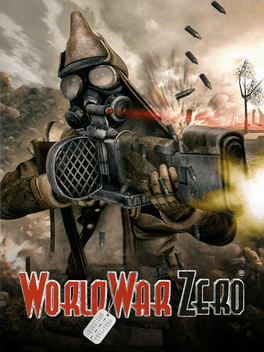
star 7The World War began in August 1914. It is now March 1964, and war still wages on. The Russian October Revolution has taken place, but the Bolsheviks were crushed by the mad Baron Ugenberg. He plans to build a huge Russo-Mongolian empire that stretches from the Atlantic to Vladivostok, crushing any opposition in his wake.Game & Watch Gallery 4
2002
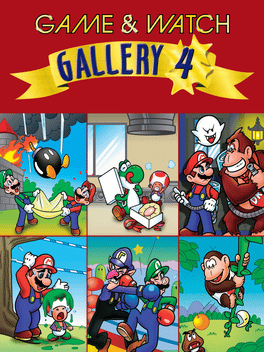
star 6.9Relive the birth of handheld gaming with over a dozen classic Game & Watch games. Picture-perfect versions reproduce all the fast-paced action of the original games, and new modern versions bring these games into the 21st century with improved graphics, sound, and game play!Robot Wars: Extreme Destruction
2002
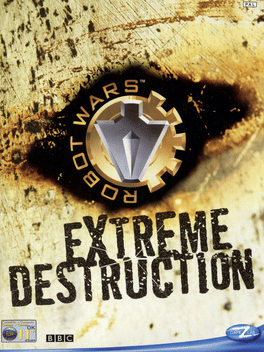
The GBA Port of "Robot Wars 2: Extreme Destruction" brings together all the elements of the TV show. Players can design and build their own robots, drawing upon a database of body parts, armour, engines, wheels and weapons. Once complete, battle can commence. The game also features a quick-start pick-up-and-play function, so gamers can select from a range of pre-built robots and get straight to the realistic 3-D action in new and improved arenas including desert outpost, sub-zero station, iron foundry and acid factory.Densha de GO! Professional 2
2002
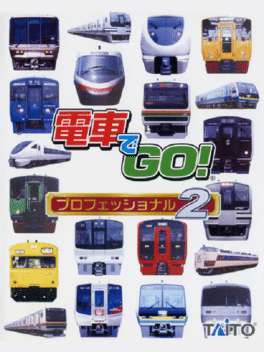
Densha de Go! Professional-shiyou 2 (loosely translated to "Go by Train! Professional Specification 2") is an electric train driving simulation game developed and published by Taito for the PlayStation 2 in Japan on October 25, 2002. It was later ported to the PC by Unbalance on April 30, 2003. The sequel to the 1999 home console entry in the Densha De Go! series, Densha de Go! Professional-shiyou, Professional-shiyou 2 features a graphical upgrade and a new set of real-life train routes: the Shōnan-Shinjuku Line, the Tsurumi Line, the Kosei Line, the Seto-Ōhashi Line, and the Nagasaki Main Line to Sasebo Line. One new feature added to the series is the ability to save and resume route progress, and to start progress from a designated station.Di Gi Charat: Di Gi Communication
2002
Di Gi Charat: Di Gi Communication is a Miscellaneous game, developed by M2 and published by Broccoli, which was released in Japan in 2002.World Soccer Winning Eleven 6: Final Evolution
2002
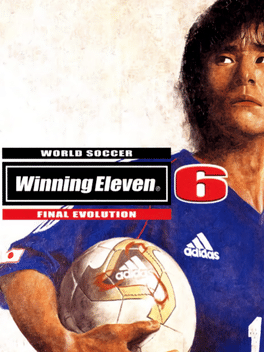
star 7World Soccer Winning Eleven: 6 Final Evolution is an updated version of the base game and was released for Sony PlayStation 2 and Nintendo Gamecube. World Soccer: Winning Eleven 6 Final Evolution features six game modes, including single matches, training, various cup tournaments, and a Master League, in which the player can select a team to compete in various competitions and partake in the transfer market. A total of 40 unlicensed club teams and 56 unlicensed international squads (except for Japan, which is the only fully licensed team in the game) are available.Iron Storm
2002
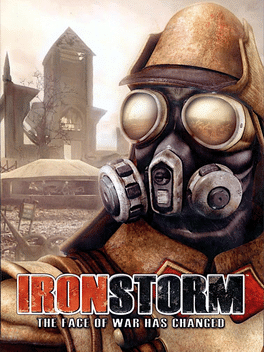
Iron Storm
2002
star 6.4This atrocious war began in August 1914. It is now March 1964 and believe it or not, it is still being waged. Occidental and American troops are fighting against the armies of a latter-day Genghis Khan, who has already put a bloody end to the Bolshevik Revolution. He is planning to create a Russo-Mongol Empire, stretching from the Atlantic to Vladivostok. While some aspects of this world seem to be true to 1914, such as the trenches and bunkers, you will also find that several decades of concerted war effort have led to the development of some very modern types of weapons, transportation and other technology.Colin McRae Rally 3
2002
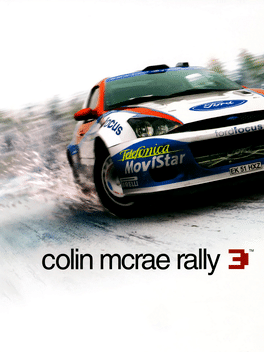
Colin McRae Rally 3
2002
star 8.1You are given 3 seasons to win the world rally championship, racing the Ford Focus RS RWC. In each season there are 8 competitions, staged in Australia, the USA, England, Sweden, Japan, Greece and Finland. Each competition has 6 stages set around different landscapes, and a special head-to-head stage at the end. You are out to beat the clock, and the time set by the opposing teams, on each occasion. Beat the time, win the stage, and you are once step closer to taking the world title. Along the way you can alter and modify the Focus' setup, from the wheels used, gearboxes, brakes, suspension and so forth. You can also test drive the car before any event to make sure the setup is to your liking.Monster Rancher Advance 2
2002
Monster Rancher Advance 2 lets players create, train, and fight with monsters of their own choosing. Monsters are generated by inputting key phrases to create different monsters. Each phrase entered will create a unique monster, which will always appear when that specific phrase is entered. Players can experiment with many different phrases for unexpected results. Two separate monsters can also be combined with special items to form an entirely new monster. Certain combinations will lead to hidden, rare monsters which can not be obtained through the normal monster generation process. The Coaching System from Monster Rancher Advance has been dramatically improved for added depth in the sequel. Depending on the monster type, certain coaches will offer unique training sessions which other monster coaches will not be able to provide. These special training sessions can be very difficult and dangerous, yet have potential to yield major results. A monster's charisma and skills will also be crucial factors in deciding whPool Edge
2002
Anno 1503
2002
Anno 1503
2002
star 7.9Lay claim to the New World in an epic saga of adventure and discovery. ANNO 1503 A.D. is a PC title that blends the excitement of real-time strategy with the depth of empire building. The aim of the game is to establish colonies and seek out wealth and power. Watch your colonies grow while establishing trade and diplomatic ties with neighbouring cultures. Engage in combat on land and at sea to protect your colonies or to maintain freedom and independence. The all-new combat system allows for much more sophisticated tactical preparation and some truly epic land and sea-based battles. Enjoy the variety and challenge of five varying climate zones while competing against computer-controlled players, including interactions with nine different cultures such as the Africans, Aztecs and Native Americans.