New Games - Page 12001

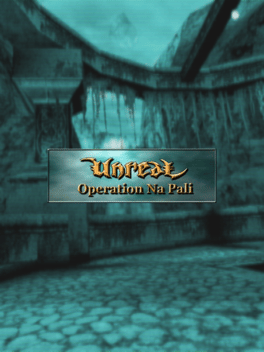
Unreal: Operation Na Pali
2002
Operation Na Pali is a partial conversion for Unreal Tournament by Team Vortex. It - alongside Xidia - brought about a new era of Single Player mapping with brand new textures and architecture styles that would influence many other mappers in years to come.WWE WrestleMania X8
2002
WWE WrestleMania X8
2002
star 6Legendary battles and intense drama are packed into one event--WrestleMania, where the baddest men on the planet meet to become champions of wrestling. An updated 2002 roster features superstars and newcomers Rob Van Dam, Booker T, The Hurricane, and nWo members Scott Hall, Kevin Nash, and Hulk Hogan. Master each superstar's unique wrestling style and turn the tide of the match through a combination of counters, reversals, and brutal finishing moves. Now you can start from the beginning and take your rookie wrestler up through the ranks in quest for the Heavyweight Championship Belt.Spyro: Collector's Edition
2002
Spyro Collectors' Edition is a compilation of the first three Spyro games. The games included are Spyro the Dragon, Spyro 2: Ripto's Rage!, and Spyro: Year of the Dragon. The Collectors' Edition versions are largely the same as their common counterparts. The only key difference is the words "Collectors' Edition" on both the disc and manual. The manual also has a white Playstation banner instead of the typical black banner.Spyro 2: Ripto's Rage! - Collector's Edition
2002
The Collectors' Edition version of Spyro 2: Ripto's Rage! This game is part of a trilogy released in the Spyro Collectors' Edition boxset. This version is mostly the same as the original. The only key difference is the words "Collectors' Edition" on both the disc and manual. The manual also has a white Playstation banner instead of the typical black banner.Spyro: Year of the Dragon - Collector's Edition
2002
The Collectors' Edition version of Spyro: Year of the Dragon. This game is part of a trilogy released in the Spyro Collectors' Edition boxset. This version is mostly the same as the original. The only key difference is the words "Collectors' Edition" on both the disc and manual. The manual also has a white Playstation banner instead of the typical black banner.Die Scraper
2002
MGG: Manic Game Girl
2002
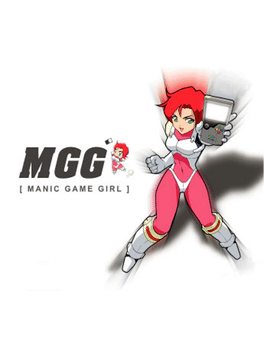
MGG: Manic Game Girl
2002
Manic Game Girl is an action-adventure RPG with 3D brawler mechanics created with the help of Han Jong Lee, one of the main programmers on Parasite Eve and part of the engine development team for Final Fantasy 8. "The first self-developed PlayStation game in Korea." The games development was started in 1999 and was originally planned for the Dreamcast but later switched to the PlayStation. There was trouble with the games development as the market for video games was just starting in South Korea which lead to a lack of people with experience making games at the time. The game was released at the end of the PlayStation's production cycle after the launch of the PlayStation 2 earlier in the year. This was reflected in it's marketing at the time which mentions how it will run just as well on the newer system. There were plans to release the game internationally by the end of the year with the North American publisher Conspiracy Entertainment but that was eventually canceled.Davis Cup Tennis
2002
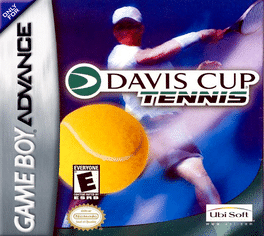
Davis Cup Tennis
2002
Enter a battle among tennis legends. With 142 nations abattling to possess the Silver Trophy, the biggest war of the tennis world is about to begin! Play in the Davis CupTournament or challenge friends to fierce 2-on-2 multiplayer matches. Gain experience points for your team and pit them against your friends in multiplayer mode. Master your game on clay, carpet, and grass.Crash Bash: Collector's Edition
2002
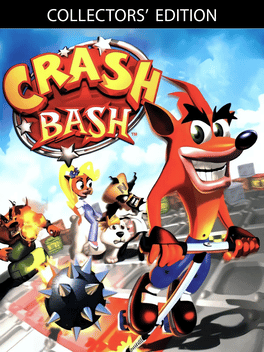
The Collectors' Edition version of Crash Bash. This game is part of a trilogy released in the Crash Bandicoot Collectors' Edition boxset. This version is mostly the same as the original. The only key difference is the words "Collectors' Edition" on both the disc and manual. The manual also has a white Playstation banner instead of the typical black banner.Big Bass Fishing
2002
Big Bass Fishing
2002
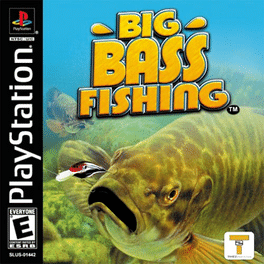
There's nothing like the real thrill of luring in a largemouth bass, and now you can have the experience without getting a drop of water on you. Try to reel in 14 different types of freshwater fish including spotted bass, redeye bass, and rock bass in this PSX classic, enjoying a dozen massive locales. Real-life obstacles like rod direction, reel speed, and water structures will provide plenty to overcome, but you'll arrive armed with 20 unique lures to help get the job done. Choosing from a selection of spinners, bucktails, bass bugs, and other stuff that will help get those fishes' attention, you'll try to master any of the three impressive modes of play: Free Fishing, Three-day Tournament, and Beat the Clock. Five total events will ensure that the gameplay never repeats itself, and the graphics are downright incredible. It's not easy to hook and reel a bass, but it sure is fun when you do.Crash Bandicoot Collectors' Edition
2002
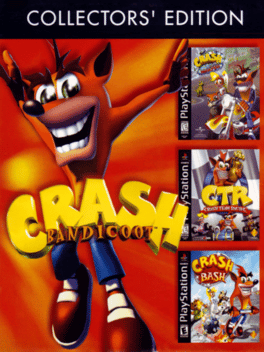
Crash Bandicoot Collectors' Edition is a bundle containing Crash Bandicoot 3: Warped, Crash Team Racing, and Crash Bash. The Collector's Edition features the final two Naughty Dog Crash Bandicoot games as well as Eurocom's Crash Bash. Each game disc is silver with a smaller version of the game's logo along with "Collector's Edition" on the right side. Unlike the original and Greatest Hits versions, none of the games have any Spyro demo cheats on them.Crash Bandicoot: Warped - Collector's Edition
2002
The Collectors' Edition version of Crash Bandicoot: Warped. This game is part of a trilogy released in the Crash Bandicoot Collectors' Edition boxset. This version is mostly the same as the original. The only key difference is the words "Collectors' Edition" on both the disc and manual. The manual also has a white Playstation banner instead of the typical black banner.Hard Truck 2: King of the Road
2002
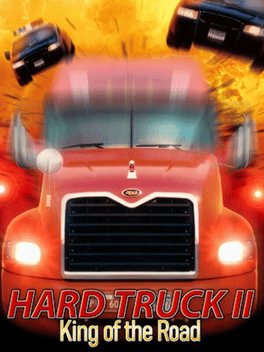
star 7.6Hard Truck II: King of the Road is truck simulation and racing game. In this game you can test your driving skills in different European cities. In this game you will race with the other truck driver. But you have also keep in mind the supply of the goods which is the main goal. You have to go through different weather conditions and you have to be skilled enough to keep your truck on the road during all circumstances. From time to time you are invited to circuit racing with other truck. Where you can earn money in order to open your own company. The cash you earned from the race can be utilized in repairing your trucks or to buy a new one. Some of the money is spent in your truck services and refueling. So you have to go through wisely as the first company to get 51% share in the market will win the game. The ob and police is always behind you and you have to tackle with them as well. The sound track of King of the Road game has been created by Russian heavy metal band called Aria.Disney's Lilo & Stitch
2002
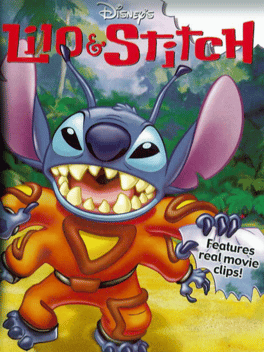
star 6.5WARNING: Stitch is extremely dangerous. The result of an illegal genetic experiment by a mad scientist, Stitch appears to be harmless - small, furry, with six legs - but his very existence is an abomination to all that's decent in the galaxy. Last seen on the island of Hawaii in the company of a little named Lilo. Fugitive may be disguised as a family pet.World Fantasista
2002
World Fantasista
2002
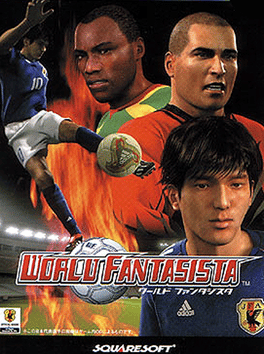
World Fantasista features life-like animation and real professional players from different countries, including Hiroshi Nanami, Patrick Mboma and Jose Luis Chilavert. In addition, there are 36 real Japanese players, world soccer teams from 35 countries, and the ability to create your own team.Legion Gold
2002
Legion Gold
2002
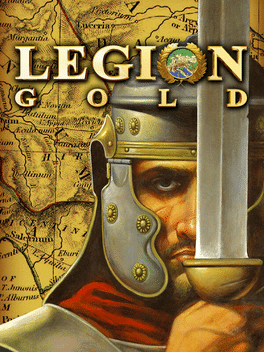
Legion Gold is a turn based strategy game set in ancient Rome. Control vast armies and attempt to carve out an Empire at the strategic level. At the tactical level, position your armies and make use of the best formations to achieve victoryUngra Walker
2002
Ungra Walker
2002
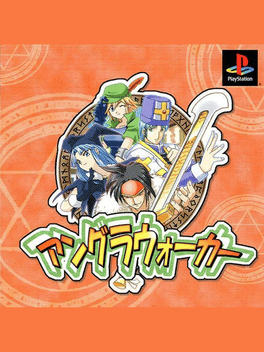
Ungra Walker is a dungeon-based ARPG for up to two players simultaneously. Dungeons are randomly generated every time the players enters one. Select from different characters, including fighters, magicians, thieves & clerics. Tons of monsters, huge bosses, and hidden items awaits.Rage of the Dragons
2002
Rage of the Dragons
2002
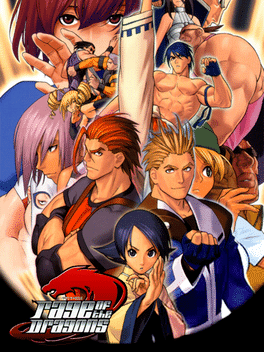
star 8In a town ruled by an evil religious cult, the battle to decide the strongest dragon begins! Each Contestant is a champion who contends with the power of mighty dragons: Black Dragon, Red Dragon, Blue Dragon, and White Dragon. Go head to head in a tag-team partnership to test your attack and defense in the heat of battle.Shaman King: Spirit of Shamans
2002
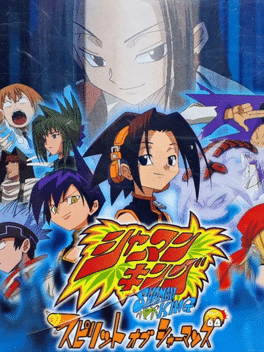
Shaman King: Spirit of Shamans is based on the anime, in which you will complete the first half of the overall story featured within the anime/manga series. This is the first fighting game featured within the series. The graphics seem to reflect other styles seen within the original Gundam Battle Assault, in which you will be playing right-to-left with advanced sprite graphics. Your spirit can also be regularly used within this fighter as to assist you. At random times in battle, the icon of your specific spirit will flash, in which if you press either O or X fast enough, your overall spirit meter will rise. When risen to the highest extent, you can unleash your ultimate. Within this game, three different buttons vary from a weak attack, or a more stronger attack. The combo system seems to range up to the max of 10 in battle. Story mode, Vs mode, and Arcade mode are the three playable modes within this game. In Story mode, you will experience various cutscenes and additional minigames. Arcade mode seems to be the s