New Games - Page 12032

I Spy Challenger!
2002
I Spy Challenger!
2002
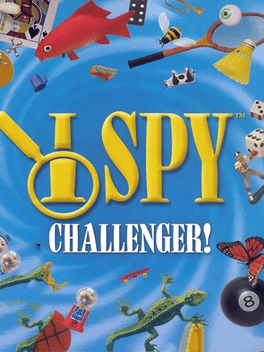
I Spy Challenger! is a Puzzle game, developed by Black Hammer Game and published by Scholastic, Inc., which was released in 2002.Plunderball
2002
Verzerk
2002
Verzerk
2002
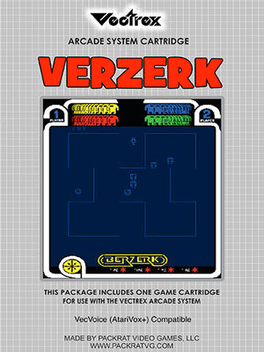
Verzerk is a hack of Berzerk, adding speech this time around, with a robotic voice welcoming the player during the attract mode, then states "this is Verzerk". The phrases from the original arcade version of "shoot him", "chicken, fight like a robot", "got you humanoid", etc. are included in this release. The game plays identically to Berzerk though, aside from that and only being for one player.Gravitrex
2002
Gravitrex
2002
Gravitar was a vector graphic arcade game that took some of the elements of Asteroids (the controls and free flight abilities of the player's['] ship[s]) but made them more restrictive by placing players inside a series of planets. Players had to skim surfaces of the planets and destroy all the bunkers therein, as well as beam up fuel cells to maintain their fuel level(s) and avoiding or destroying saucers that would also appear. The game did not do very well commercially and would only be ported to the Atari 2600 a few years later (although it has reappeared on some modern day compilations since). Gravitrex is a clone of Gravitar, although with many differences, such as the addition of humans dotting the planetary landscapes that have to be rescued, and the Gravitrex Plus cart also includes two bonus games and other features as well. All games are for one player only. Gameplay: The player controls a fighter ship that begins each game in a solar system. There is a sun in the middle and several planets to cUEFA Champions League Season 2001/2002
2002
star 7Installment in the UEFA soccer simulation series, featuring rosters and up-to-date data from the 2001/2002 season. This Season's UEFA Champions League gives you the unique opportunity to play against Europe's leading clubs, while also offering you the option to take on previous winners, since 1960. The Official Video Game of The UEFA CHAMPIONS LEAGUE Season 2000/2001. Developed by Silicon Dreams, UEFA Champions League Season 2001/2002 was only released in the Europe market.The King of Route 66
2002
The King of Route 66
2002
The King of Route 66 is the arcade racing game sequel to 18 Wheeler: American Pro Trucker. It was later brought to the PlayStation 2 by Tose. This game features a story mode in which the Evil Tornado Corporation has taken over all the trucking jobs along Route 66. You play a hero trucker who challenges Tornado drivers all along the route and puts them in their place by getting your cargo to the destination first.Operation Flashpoint: Red Hammer
2002
star 8.8The crisis rages on. Join the revolution and now fight on the side of the Soviet force in this story of comrades and communism. Shoulder the rifle of Dmitri Lukin ex-Spetsnaz agent, now busted to grunt with a bad attitude, in this 20-mission Soviet campaign.Gourmet Action Game: Manpuku!! Nabe Kazoku
2002
Gourmet Action Game - Manpuku!! Nabe Kazoku is another cooking game from Media Entertainment, like Yakiniku Bugyou. This one's a good deal simpler than even that simple game, as you don't have to worry yourself over placing the food, flipping it halfway, or judging when it's done: you just wait for the food to drop into the broiling bowl, then wait for "OK" to appear over it, then you click on it to dish it into your character's mouth. Munch!Beatmania 6thMIX + Core Remix
2002
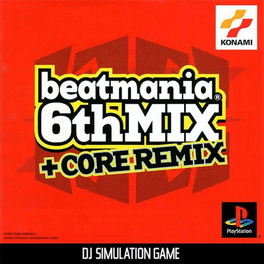
Final PlayStation beatmania release. Contains all of the songs from beatmania 6thMIX, all of the new songs from beatmania Core Remix, four long versions from beatmania III Append 6thMIX, and six new remixes.Simple 1500 Series Vol. 85: The Sengoku Bushou - Tenka Touitsu no Yabou
2002
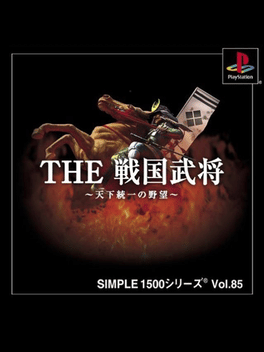
The Sengoku Bushou - Tenka Touitsu no Yabou is a strategy game that takes place in the Warring States period, the player can choose between 3 possible characters and three different time periords to start the conquer.Simple 1500 Series Vol. 84: The Intro Quiz
2002
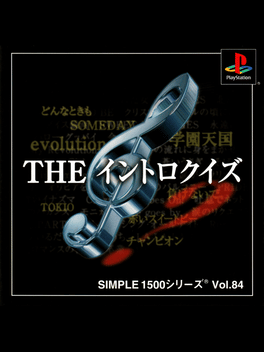
The Intro Quiz is the third quiz game in the Simple 1500 series and also features more than 1000 different questions of different musical subjects, the game features also a 4 player mode in which 4 human players can compete between them.Doki-doki Idol Star Seeker Remix
2002
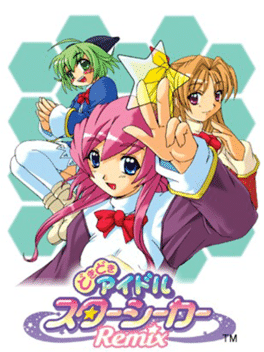
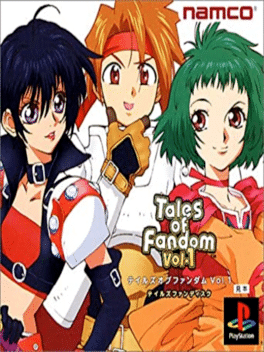
Minesweeper-like Puzzle game with cute anime girls created by G.rev.Tales of Fandom Vol. 1: Mint Version
2002
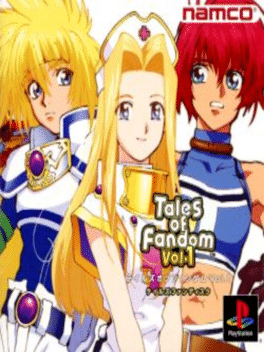
Tales of Fandom Vol. 1 is a compilation game for the Sony PlayStation. It includes gameplay that features characters and elements from Tales of Phantasia, Tales of Destiny, and Tales of Eternia. The game is set up as an adventure game with actual gameplay elements to explore and unlock extra bits. Some elements in the game include exploring, playing a puzzle game like the Craymel Lab, a scene maker where characters can play out a created scenario, and an extensive gallery. It was released on January 31, 2002 and only sold in Japan.Yukinko Burning
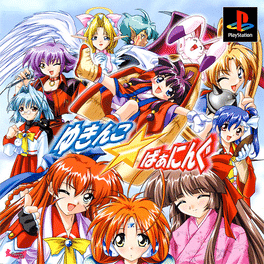
2002
Final Fantasy X International
2002
Final Fantasy X International is the Japanese re-release of Final Fantasy X and the original PAL release. It features content not available in the original Japanese release. These include battles with dark versions of the game's aeons, the superboss Penance, and various added scenes. It also contains a video clip of 12 minutes, Eternal Calm, bridging the gap with the sequel Final Fantasy X-2.Tales of Fandom Vol. 1: Cress Version
2002
Tales of Fandom Vol. 1 is a compilation game for the Sony PlayStation. It includes gameplay that features characters and elements from Tales of Phantasia, Tales of Destiny, and Tales of Eternia. The game is set up as an adventure game with actual gameplay elements to explore and unlock extra bits. Some elements in the game include exploring, playing a puzzle game like the Craymel Lab, a scene maker where characters can play out a created scenario, and an extensive gallery. It was released on January 31, 2002 and only sold in Japan.Beatmania 7thMix: Keepin' Evolution
2002
beatmania 7thMIX is a rhythm game developed by Konami. It is the twelfth game in the beatmania series and is part of the BEMANI franchise. The game is played with a controller with one turn table and 5 keys, three white and two black. On the screen you will see bars moving from the top to bottom in columns representing each of the keys and the turntable. When the bars reach the judgement line it is time to scratch. 7thMIX allow the player to have separate lanes for the two black keys. Instead of in between the lanes of the white keys. This makes the lanes much closer to the beatmania IIDX series. 1-Turn scratches are introduces, where you need to turn the turntable exactly once to get the best score. MANIAC has been renamed back to ANOTHER again. All singles and double charts has been re-rated and for the first time in the series the rate for the single chart and the double chart are rated separately. The game has 27 songs returning from 6thMIX and introduced an additional 32 songs for a total of 59 songs.Groove Adventure Rave
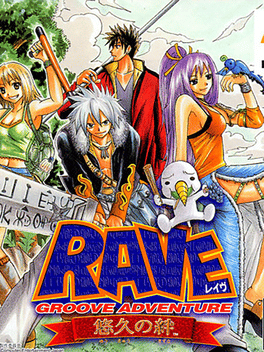
2002
Released only in Japan, Groove Adventure Rave is the first action RPG game based on the Rave Master manga series written and illustrated by Hiro Mashima. This action RPG includes a original story with a new character created by the original author Mashima-sensei, featuring the RPD system where your companions trust changes based on the aciton you make.