New Games - Page 12166

My First Rayman
2000
My First Rayman
2000
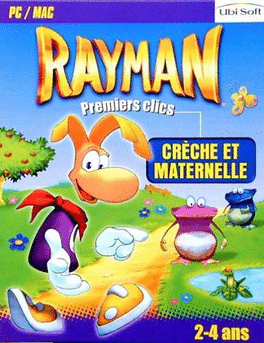
My First Rayman (Rayman Premiers Clics in French) is one of the educational games from the Rayman learning game Series. This game was released in 2000 for the PC and MAC and was only sold in France, Canada, Spain, Germany and Italy, being available in the four corresponding languages. My First Rayman is aimed for a pre-school audience between two and four years old, being designed to help children enter infant education by teaching them basic concepts. Some earlier editions of it were also bundled with an exclusive Rayman-branded computer mouse or a t-shirt.Globox 2001
2000
Globox 2001
2000
Globox 2001 is a Flash game made by Ubisoft to celebrate the New Year of 2001. The game involves Globox shooting various creatures in different locations on Earth.Rayman Compilation
2000
Rayman Compilation
2000
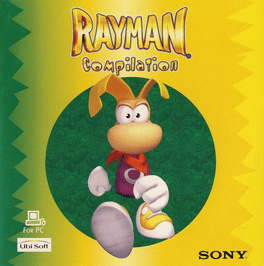
Rayman Compilation is a compilation containing Rayman 60 Levels, a demo of Rayman 2, screensavers and wallpapers.Handkerchief
2000
Handkerchief
2000
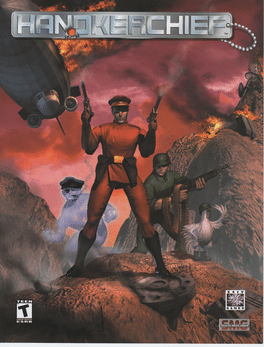
Handkerchief, developed Opus Corp. / Ask, Co., Ltd., published by XSIV Games (Stealth Media Group). Side-scrolling run'n'gun similar to Metal Slug or Jazz Jackrabbit. Shoot, jump, use weapons and vehicles to combat the enemy army. Single or multiplayer.Journalist
2000
Journalist
2000
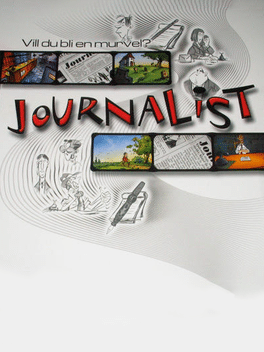
Journalist is a Swedish educational game about being a journalist and write articles for the made up news publishing company Midköpingskuriren. The game is targeted toward teenagers. Your objective is to go around asking people, look up in the official registry, and so on in order to complete your article for the day and thereby completing the mission. Every mission will get more difficult as you complete more of them, but will become easier if you don't manage to complete it that day. In order to ask people questions you have to answer their question first, challenging the player to all sorts of topics and facts. When you think you have sufficient information, you will go in to your boss' office and he will ask relevant questions before completing the article. If any of the answers are wrong, you have to wait a few hours to try again but the mission fails as soon as the next day hits at 12 AM.Project Overdrive
2000
The Grid
2000
The Grid
2000
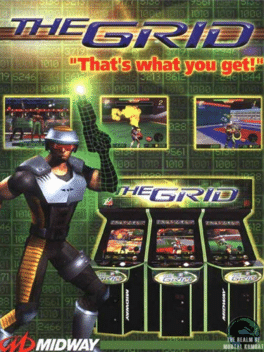
The Grid is a 2000 arcade game by Midway. It is a third person shooter which consists of a super-violent television game show hosted by a Smash TV-like host. The game centres around deathmatches. Players control their character using a joystick with a trigger for shooting, a top button for jumping and trackball for aiming. The object of each match is to accumulate the most points by eliminating other opponents. Local multiplayer with up to six players is possible by linking up multiple cabinets. Computer-controlled bots can also be used in place of human opponents. Players can also collect cash that can be used to upgrade player attributes. Individual player progress and statistics can be saved and retrieved through unique account numbers that are entered on a keypad. The game was created by the developers behind the Mortal Kombat series of games and has cameos from characters Sub-Zero, Scorpion, and Noob Saibot. This was Midway's last arcade game.Tactical Manager 2
2000
Tactical Manager 2
2000
Tactical Manager 2 is a soccer/football manager game for Windows. This sequel goes much further than the predecessor, including a massive database with 30 championships with 60 leagues, with over 32000 players. The game runs from a regular Windows interface, and all options can be selected with the mouse or the keyboard. Game options include the usual tactical selection, sending the player to train weaker parts of their game or send them to recovery.Twisted! Deluxe
2000
Twisted! Deluxe
2000
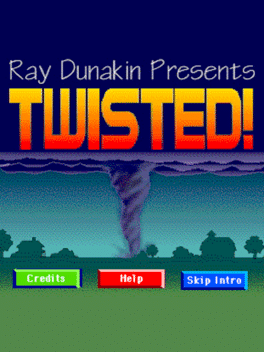
Twisted! Deluxe is an updated, full-color version of Twisted!, an excellent shareware adventure game for the Macintosh by Ray Dunakin. The original Twisted! was a fun text-adventure-with-graphics game coded with World Builder, a now-discontinued adventure game application for the Mac. This Deluxe version features all-new color graphics and a streamlined point-and-click interface in place of a text parser. Twisted! Deluxe starts out similar to the movie of the same name: you are a meteorologist, a "storm chaser" sent to investigate a tornado. Before long, you end up in Land of Ooz, a bizarre fantasy world filled with talking dragons and other strange creatures, and numerous fascinating puzzles that range from math logic, to riddles and traditional inventory-based puzzles.Mysterious Song
2000
Mysterious Song
2000
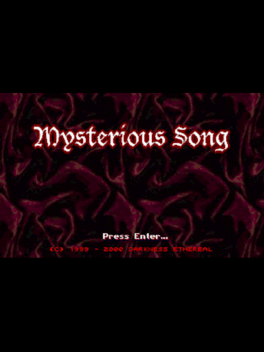
Mysterious Song is an RPG strongly influenced by the style of the early Final Fantasy games. Your character is a knight, sent by the king to investigate the trouble arising in the land, with the help of two other party members whom you pick up as you travel. The combat is turn-based, with a very simple magic system based on spell points. One party member is a mage, one specializes in physical combat, and your main character is a mix. There is no class selection, only leveling up.Chronicle of Ekan
2000
Chronicle of Ekan
2000
Chronicle of Ekan is a shareware RPG with Final Fantasy-esque gameplay (turn-based combat). It features an emotive science fantasy storyline and an interesting card magic system.Casino by eGames
2000
Casino by eGames
2000
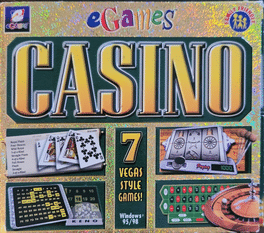
7 Vegas Style Games! Now you can enjoy casino action right in the comfort of your own home. eGames CASINO is packed with 7 exciting games including BlackJack, Roulette, Video Poker, Slots and Keno. The super realistic 3D table layouts, casino background noises and dealer voice cues along with the awesome graphics and fantastic animation are sure to make you feel like you're in the middle of Vegas winning the big money prizes! Includes: Western Slots, U.S. Slots, Galaxy Poker, Castle Poker, Roulette, Keno & BlackJack - Cool sounds & animated graphics! - Scores are tracked so you can take your winnings to other games! Platforms: Windows 95/98Pokémon Jade
2000
Pokémon Jade
2000
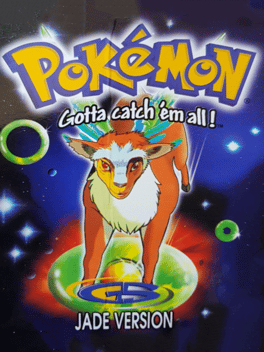
Pokémon Jade is a bootleg/pirate game which is a mod of Keitai Denjuu Telefang Speed Version. Its counterpart is Pokémon Diamond (the bootleg, not the official game by Nintendo).Pokémon Diamond
2000
Pokémon Diamond
2000
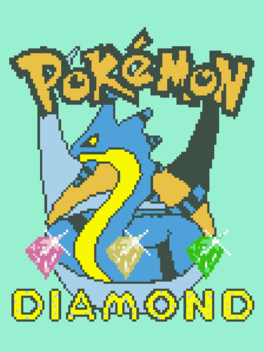
Pokémon Diamond is a bootleg/pirate game which is a mod of Keitai Denjuu Telefang Power Version. It shouldn't be confused with the actual Pokémon Diamond, released later for the Nintendo DS. Its counterpart is Pokémon Jade.Konung 1 + 2
2000
Konung 1 + 2
2000
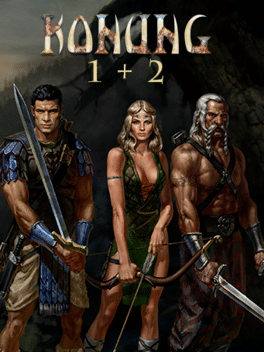
Konung 1 + 2 includes Konung: Legend of the North and Konung 2: Blood of Titans The world of Konung is a unique and spacious fantasy land, that combines parts of known history with classical myths and the legends of the Chronicles, including immortal heroes, magical artefacts and ancient sorcery. The whole world is shaped by three cultures on the verge of the second millennium: tribes of wild Slavic hunters, noble traders of the still-powerful Byzantine Empire, and fearless Viking warriors.Dilberito
2000
Dilberito
2000
A Flash game created to advertise the Dilberito, in which Dilbert must catch healthy foods while avoiding unhealthy foods while exercising to outlive his rival.Interpol
2000
Interpol
2000
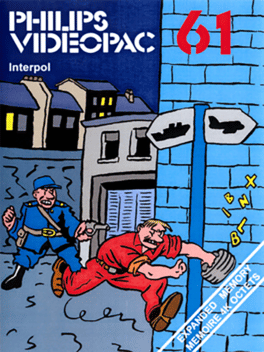
Interpol is a game for two players, one controls two spies (red characters) and the other controls two police officers (blue characters). The spies are in possession of secret information and must try to leave the country with them, by air or by sea. The police officers have to stop their plan. The airport and the port are blocked by the police, and individuals interested in traveling must present a code which only the police knows.Pixeline: for Fulde Sejl
2000
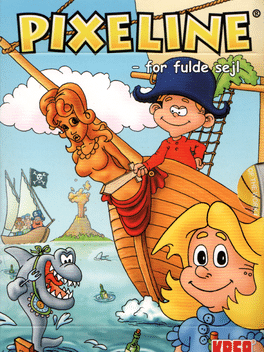
Pixeline and her little brother have joined the crew of a pirate ship. Play cards with the rats, tease the pirates, give the cat a bath and much more.