New Xbox360 Games - Page 270

Agalta 3
1995
Agalta 3
1995
The final entry in the JRPG doujin series by Fenrir. The thousand-year old struggle, which began with the Demon King Zozem using the Powers of Chaos against the gods, is nearing its end. Three brave heroes - Ares, Seria, and Georgie - ventured into the World of Spirits to restore balance in the universe. As they continue their journey, a mysterious powerful magician attacks them. They are brought to the house of Dr. K., a local scientist. Seria becomes gravely ill; to save her, Ares and the Doctor go to the nearby forest in search of cure...Legam
1995
Otome Senki
1995
Yokai Ningen Bem: Aratanaru Tamashii No Meikyuu
1995
Role-Playing game, developed and published by Vantan International, which was released in Japan in 1995.Curse of Dragor
1995
Curse of Dragor
1995
Curse of Dragor is a single-player, role playing game similar to Dungeon Master, Eye of the Beholder and the like. The story takes place in Xorinth which lies in waste after being cursed by the banished Prince Dragor. The player ventures out with the goal of restoring the land to its former glory. The main character will be joined by 3 others to form a 4-person party. Characters level up as they gain experience while fighting off monsters with medieval weapons (swords, daggers, flails and more). The game boasts that there are "5,000 locations to explore and more than 500 objects to examine."Gekirin
1995
Mantra
1995
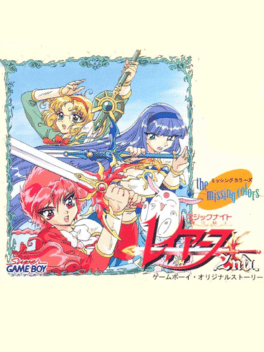
Mahou Kishi Rayearth 2nd: The Missing Colors
1995
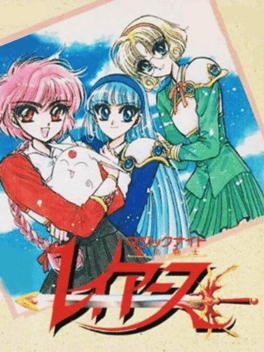
Mahou Kishi Rayearth 2nd: The Missing Colors is a Role-Playing game. The plot of the game is that Cefiro's Colors have been stolen by the Color Thief, you then have to go through the three structures to recapture the colors.Dìguó Wángcháo (Yàsè Chuánshuō)
1995
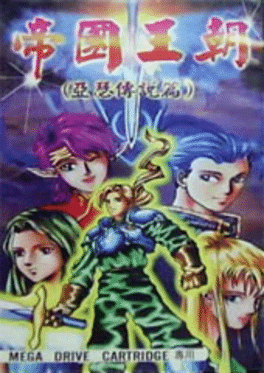
A 1995 unlicensed Mega Drive RPG developed by Taiwanese company, Chuanpu Technology.Xié'è Zhīzǐ
1995
Romance of the Forgotten Kingdom
1995
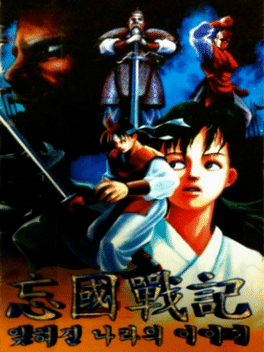
Romance of the Forgotten Kingdom is a role-playing game set during the Joseon period of Korea. It was developed by Mirinae Software in 1995 for DOS computers.Mordor: The Depths of Dejenol
1995
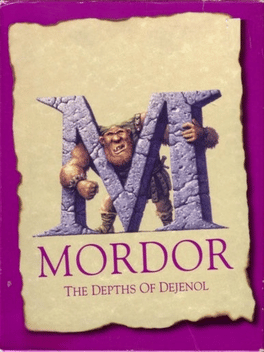
Mordor: The Depths of Dejenol is a first-person dungeon crawler that pits you against the horrors of the underworld.Dungeon Explorer
1995
Dungeon Explorer
1995
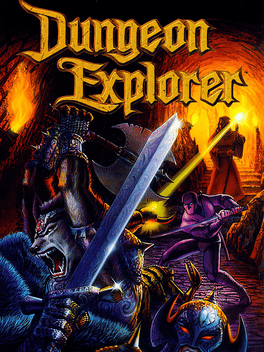
Dungeon Explorer is an action RPG developed by Westone and Hudson Soft and released for the Sega Mega-CD in 1995. Despite sharing a name, the Mega-CD Dungeon Explorer is not a port of an earlier Dungeon Explorer, released for the PC Engine in 1989. While related, the Mega-CD game is designed to play more like Atari Games's Gauntlet, and is exclusive to Sega's system.Lucienne's Quest
1995
Lucienne's Quest
1995
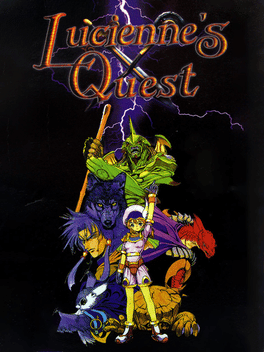
star 5.2A legendary story from unknown worlds beyond our time. The adventures of little sorceress Lucienne is a tale in the making...your own making. Work with Lucienne and her friends to defeat Death Shadow. Their fate is in your hands...Let the adventure begin...Blind Justice
1995
Shin Megami Tensei: Devil Summoner
1995
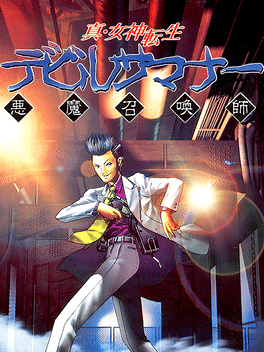
star 7.4This is the original 1995 Devil Summoner game on the Sega Saturn and was released only in Japan. It was later ported to PSP in 2005. Abandoning the post-apocalyptic themes of the original series, the story takes place in modern Japan. The player character is an unnamed college student who is attacked by demons along with his girlfriend; they are saved by the timely appearance of a suave demon-hunter named Kyouji. Shortly thereafter, Kyouji is found dead under suspicious circumstances. The protagonist is then trapped inside of a warehouse and murdered by a deranged killer named Sid. Rather than stay dead, the player finds himself in the reanimated body of the slain Kyouji, and escapes from the morgue. With the help of Kyouji's voice, which guides the player from inside his head, the main character joins up with Kyouji's female partner Rei in order to save the life of his girlfriend, who is still in danger.Abel: Shin Mokushiroku Taisen
1995
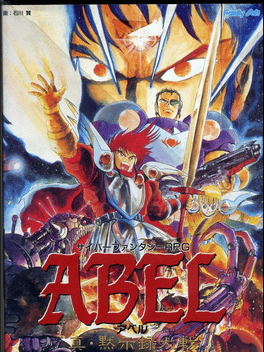
Abel is a turn-based Japanese-style RPG set in a dark futuristic environment. The player commands Abel and his teammates from the headquarters, where they can rest, receive items, and prepare for the next mission. The missions themselves take place in large dungeon-like areas. Randomly appearing enemies must be defeated in first-person perspective combat with a rather standard system: characters either attack physically, use items, or execute special attacks that require "special points" (equivalent to magic). There is also an Auto option for battles.