New Mac Games - Page 252

Vs. Ladies Golf
1984
Vs. Golf
1984
Vs. Golf
1984
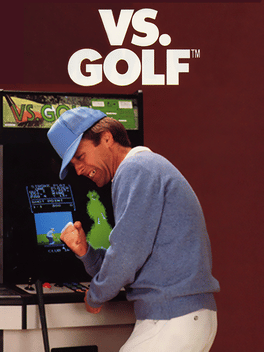
Vs. Golf is a golf game developed for the VS. Arcade Systems. It is an 18 hole golf game where the player chooses stroke play or match play against a human or computer player. This game was released in two editions, a Men's Golf and Ladies Golf edition featuring male and female characters.Super Golf
1984
Super Golf
1984
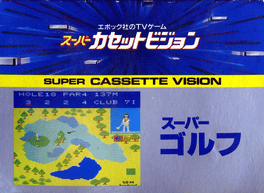
The course has 18 holes and a total length of 5,805 meters. You have to get the ball into the hole with a minimum of strokes, despite the wind and many obstacles. You can choose the club, the direction and the force with which the ball will be sent. Challenge your friends, one to four people can play together.Track & Field 1
1984
Track & Field 1
1984
The heat of competition right in a computer game! Use the special Hyper Shot controller and see how high you score!Super Action Football
1984
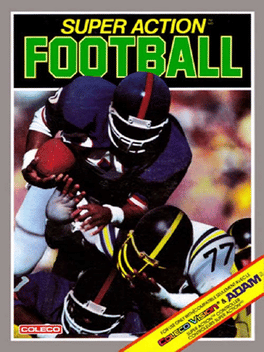
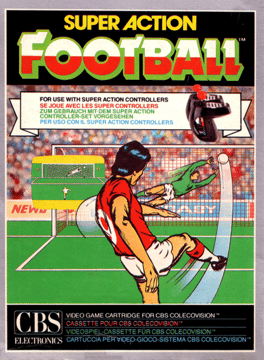
Another game in the Super Action series that makes use of Coleco's Super Action Controllers. Play against the computer or go head-to-head with a friend over 4 quarters of football action. Step back and throw the long bomb to your wide receiver dancing in the end zone, kick the field goal, or lay down a bone-crunching tackle as you control one of 3 offensive or 3 defensive players. What victory dance will you do as you dive across the goal line in the final seconds of the game?Vs. Gong Fight
1984
Hyper Sports 1
1984
Hyper Sports 1
1984
The first port of the arcade game Hyper sports containing the events Swimming, Skeet Shooting and Vaulting HorseSuper Action Soccer
1984
Super Action Soccer
1984
Super Action Soccer gives you the chance to be the most accomplished star player of any team that ever was. You will be the goal-keeper diving to make incredible saves, the full back with fierce last minute tackles, the mid-field "general" directing shrewd passes and the centre forward scoring great goals. You will be involved all the time in the most exciting moments of the game. You will score the winning goal! Team Pixelboy released Super Action Soccer for the North American audience.Field Day
1984
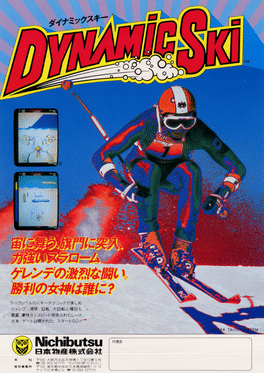
Dynamic Ski
1984
Golf
1984
Golf
1984
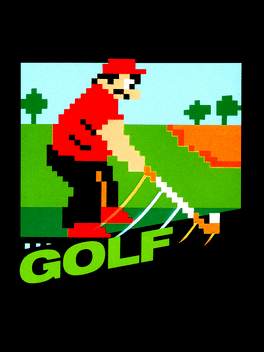
Family Computer Disk System Arcade Sharp X1 Nintendo 3DS Wii Family Computer Wii U Nintendo Entertainment Systemstar 6.4Golf is a game for the NES based on the sport of the same name. The golfer has been identified as Mario in supplemental material, albeit not wearing his traditional shirt and overalls. The gameplay of Golf is relatively simple. The player is given a ball, and a map on the right side of the screen shows the hole that they must hit the ball into. The obstacles on the way are also displayed on the map. The player will get more points depending on how many times they hit the ball to get it into the hole. Many different types of clubs are also available to choose from by pressing Up/Down on the + Control Pad.Crowns Golf
1984
Vs. Baseball
1984
Vs. Baseball
1984
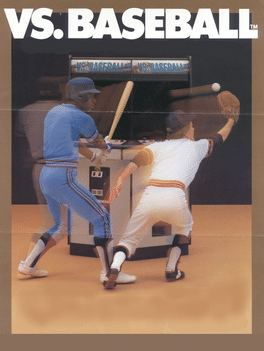
Players pick from a list of teams in this Dual Vs. baseball game. Time-points are awarded per credit which are either increased with runs batted in or decreased by opponent's runs or just regular plays. The gameplay can be very frustrating because infielders may not pick up a ball at their feet since they are waiting for another player to come over and pick it up.MicroLeague Baseball
1984
MicroLeague Baseball
1984
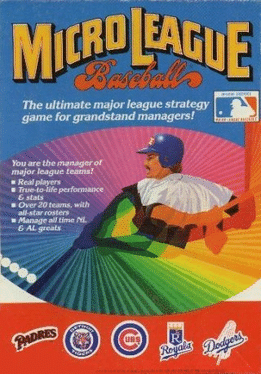
Micro League Baseball is a 1984 baseball simulation video game. It was developed by Micro League Sports Association and published by Micro League Multimedia Inc. It was released on Amiga, Apple II, Atari 8-bit, Atari ST, Commodore 64, and PC.Queen's Golf
1984
Challenge Derby
1984
Jumping Cross
1984
Herbie at The Olympics
1984
Designed by Century/Seatongrove, the game was built by Magic Electronics of Cranston, RI and marketed by Montgomery Vending. The game, once again, featured our old friend Quasimodo. Sporting his original green tunic from Hunchback, Quasimodo competed in seven different Olympic events. Priced at $375, the game was also available as a conversion kit for Donkey Kong, Donkey Kong Jr. and Scramble. This is a rip off of track and field.8 Ball Action
1984
8 Ball Action
1984
Use the joystick to move your aim dot around the table. Button causes ball to shoot at aim dot. Speed is determined by on-screen setting that changes between 3 speeds - Soft, Medium, Hard. Each pocket has a point multiplier. Score for each made ball is determined by the ball number x the pocket multiplier x the round number. You get three chances to make a ball before losing your turn. If you make a ball, you get another three chances to make another ball. A scratch causes a loss of turn.Okamoto Ayako to Match Play Golf
1984
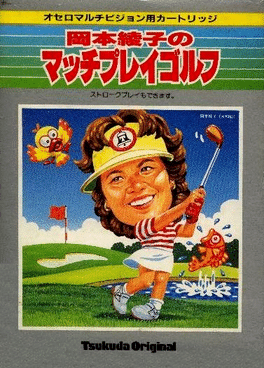
Okamoto Ayako no Match Play Golf is a golf game for the Othello Multivision, released by Tsukuda Original. It is also compatible with the Sega SG-1000.